
Shrubs
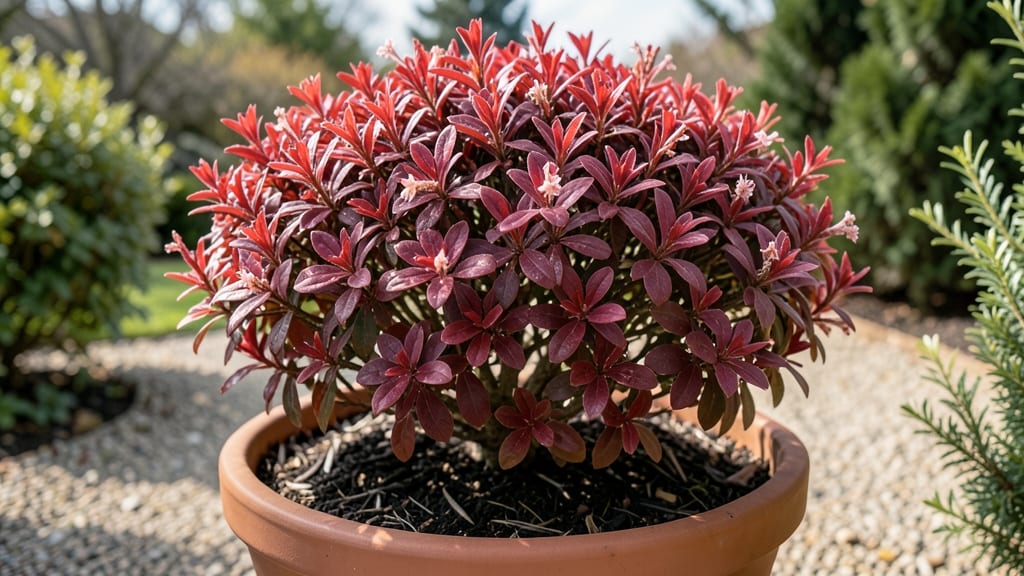
The Red Diamond Loropetalum turns your yard into a velvet curtain of burgundy and pink. 🌿 This cold-hardy shrub thrives where others fail, offering year-round color with minimal fuss.
I planted mine last spring, and now it’s the showstopper of my privacy screen—no dead zones, just lush foliage and delicate blooms even in winter.
It’s the perfect shrub for busy gardeners: drought-tolerant once established, happy in full sun or partial shade, and tough enough to handle Zone 7 winters (with a little winter protection). The burgundy leaves stay vibrant all season, while clusters of pink flowers appear in spring and sometimes return in fall.
No other shrub gives you this much drama with so little maintenance. You’ll love how it fills out quickly—expect 12-18 inches of growth per year—and how it handles pruning like a champ. Shape it into a hedge, let it grow wild, or train it as a small tree.
The only challenge? Keeping critters from nibbling the new growth, but a light spray of neem oil usually does the trick. Best of all, it’s a pollinator magnet. Bees and butterflies adore the flowers, and the foliage stays pest-free most of the time.
Whether you’re replacing an ugly fence or adding color to a shady corner, this shrub delivers—without the high-maintenance drama of roses or hydrangeas.
📚 In This Guide
- What you need
- Instructions
- Tips and common mistakes
- Wrapping up and next steps
What you need
- ● Red Diamond Loropetalum shrubs: 3–5 plants (depending on desired height/width; spacing ~4–6 ft apart for privacy screens).
- ● Well-draining soil: Mix of native soil + 30% organic matter (compost or peat moss).
- ● Slow-release fertilizer: 10-10-10 or acid-loving plant formula (e.g., Miracle-Gro Azalea, Camellia & Rhododendron).
- ● Mulch: 2–3 inches of pine bark or wood chips (keeps roots cool and moist).
- ● Pruning shears: Bypass pruners (sharp, clean, and sanitized with rubbing alcohol).
- ● Shovel or trowel: For digging holes (1.5x wider than root ball).
- ● Garden hose or watering can: With a gentle spray nozzle for post-planting hydration.
- ● Gloves: Heavy-duty garden gloves (protects against thorns and soil-borne pathogens).
- ○ Stakes & twine (optional): For young plants in windy areas.
- ○ pH test kit (optional): To confirm soil acidity (ideal: 5.0–6.0).
- ● Sunlight: Full sun to partial shade (6+ hours of direct light daily).
- ● Climate: USDA Zones 7–9 (cold-hardy to 0°F with proper care).
- ● Water access: Drip irrigation or hose nearby for consistent moisture.
- ● Patience: Shrubs take 2–3 years to reach full privacy-screen height (~6–10 ft).
Step-by-Step guide to planting and caring for Red Diamond Loropetalum
This stunning shrub thrives with minimal fuss once you nail these key steps.
🪴 Step 1: Choose the Perfect Planting Location
Red Diamond Loropetalum loves full sun to partial shade—at least 6 hours of direct sunlight daily for the deepest crimson blooms. I always pick a spot with morning sun and afternoon shade if temperatures exceed 85°F, as the leaves can scorch in intense afternoon heat.
Check the soil pH—this shrub prefers acidic soil (pH 5.0-6.5). If your soil tests neutral or alkaline, amend with 2-3 inches of peat moss or sulfur before planting. The roots will thank you with vibrant growth and those signature burgundy leaves year-round.
🌱 Step 2: Dig the Hole and Plant with Proper Spacing
Dig a hole twice as wide as the root ball but only as deep—planting too deep suffocates the roots. Gently remove the shrub from its container and loosen any circling roots with your fingers. For 4 shrubs, space them 6-8 feet apart to create that lush privacy screen without overcrowding.
Place the shrub in the hole so the top of the root ball sits 1 inch above ground level. Backfill with native soil mixed with compost to improve drainage. Water deeply right after planting to settle the soil and eliminate air pockets around the roots.
☀️ Step 3: Water and Mulch for Long-Term Health
Water deeply once a week during the first growing season, ensuring moisture reaches 12 inches down. You'll know it's enough when the soil feels damp but not soggy. After establishment, Red Diamond Loropetalum becomes drought-tolerant—water only when the top 2 inches of soil feel dry.
Apply 3 inches of mulch around the base, keeping it 3 inches away from the trunk to prevent rot. I use pine bark mulch because it slowly acidifies the soil over time, which this shrub absolutely loves. Refresh the mulch annually to maintain moisture and suppress weeds.
✂️ Step 4: Prune for Shape and Encourage Blooms
Prune immediately after flowering in late spring to shape the shrub and encourage next year's blooms. Remove any dead, diseased, or crossing branches first—this keeps air circulating and prevents fungal issues. For a dense screen, trim back 1/3 of the oldest stems to the ground to stimulate new growth from the base.
Use clean, sharp pruners and make cuts just above a leaf node at a 45-degree angle. Avoid heavy pruning in fall or winter, as this shrub sets next year's flower buds in late summer. A light shaping in early spring keeps it looking tidy without sacrificing those stunning crimson blooms.
⏰ Step 5: Winterize for Cold-Hardiness
Red Diamond Loropetalum handles USDA Zones 7-10, but young plants need extra protection in colder zones. In fall, apply 2-3 inches of mulch around the base to insulate roots. If you're in Zone 7, wrap the crown with burlap or frost cloth during extreme cold snaps (below 10°F).
Prune lightly in late winter to remove any frost-damaged branches. The shrub will bounce back quickly in spring, and you'll see fresh growth within 3-4 weeks of warmer temperatures. Avoid fertilizing in late fall—this encourages tender new growth that won't survive winter.
Tips & tricks for perfect Red Diamond Loropetalum planting
These simple strategies will help your Red Diamond Loropetalum thrive from day one—no green thumb required.
Location Insight: When selecting your planting spot, pay attention to microclimates in your yard. If your area gets intense afternoon sun, plant on the north side of structures or fences to create natural shade during the hottest hours. I've seen Red Diamonds scorch in full afternoon sun even when morning light was perfect—those leaves turn crispy fast when temps hit 85°F or higher.
Root Ball Prep: Before planting, soak the root ball in water for about 15 minutes to ensure it's fully hydrated. This helps reduce transplant shock and gives your shrubs a stronger start. After planting, water deeply again to eliminate any air pockets around the roots—think of it like giving your plant a good drink after moving into a new home.
Mulch Magic: That 3-inch layer of mulch isn't just decoration—it's your plant's winter blanket and summer air conditioner. I recommend applying mulch right after planting and again in early spring to maintain its effectiveness. Just remember to keep it 3 inches away from the trunk to prevent rot, which can happen when moisture gets trapped against the bark.
Pruning Precision: When you're trimming back 1/3 of the oldest stems in Step 4, look for stems that are thicker than your thumb—these are the ones to cut back to the ground. The younger, thinner stems will take over and create that dense, lush screen you're after. And always make those 45-degree cuts just above a leaf node—this encourages new growth and keeps your plant healthy.
Pro Tips for Red Diamond Loropetalum Shrub
- These simple strategies will help your Red Diamond Loropetalum thrive from day one—no green thumb required.
- Location Insight: When selecting your planting spot, pay attention to microclimates in your yard.
- Root Ball Prep: Before planting, soak the root ball in water for about 15 minutes to ensure it's fully hydrated.
Frequently asked questions
How cold-hardy is the Red Diamond Loropetalum?
The Red Diamond Loropetalum thrives in USDA Zones 7-10, tolerating temperatures down to 0°F (-18°C) once established. Young plants may need winter protection (like mulch or burlap wraps) in colder zones. In freezing climates, plant it near a south-facing wall for extra warmth!
When is the best time to plant or prune?
Plant in early spring or fall for optimal root establishment. Prune right after flowering (late winter/early spring) to shape the shrub and encourage dense growth. Avoid heavy pruning in fall—it can stimulate tender new growth vulnerable to frost.
How often should I water this shrub?
Water deeply 1-2 times per week during the first year to establish roots. Once mature, it’s drought-tolerant but benefits from occasional watering in extreme heat. Yellow leaves? Often a sign of overwatering—ensure well-draining soil!
Can I grow Red Diamond Loropetalum in containers?
Yes! Use a large container (at least 24" wide) with fast-draining soil (add perlite or sand). Choose a pot with drainage holes and move it indoors or to a sheltered spot if temperatures drop below 10°F (-12°C). Fertilize lightly in spring for container-grown plants.
What pests or diseases should I watch for?
Common issues include:
- Spider mites: Spray with water or use insecticidal soap if webs appear.
- Scale insects: Wipe off with rubbing alcohol or treat with horticultural oil.
- Fungal issues (like powdery mildew): Improve airflow, avoid overhead watering, and apply fungicide if needed.
Keep your shrub healthy and stress-free to prevent most problems!
Why aren’t my Red Diamond Loropetalum blooms as vibrant?
Duller blooms often mean too much shade, poor soil, or over-fertilizing with nitrogen. Ensure it gets full sun (6+ hours daily), use a balanced fertilizer (10-10-10), and prune lightly to encourage airflow. Ph level matters too! Test soil—ideal pH is 5.5-6.5.
What’s a good alternative if I need a cold-hardier plant?
If your climate is too harsh (Zone 6 or colder), consider:
- Oakleaf Hydrangea: Cold-hardy to Zone 5, with stunning foliage.
- Dwarf Fothergilla: Zone 4-hardy, with fiery fall colors.
- Crapemyrtle: Zone 6-hardy, with long-lasting blooms.
Each offers year-round interest but with better cold tolerance!
Wrapping up and next steps
The Red Diamond Loropetalum isn’t just a shrub—it’s a showstopper that brings bold color and resilience to your landscape year-round! 🌿 With its striking crimson blooms, cold-hardy nature, and low-maintenance charm, it’s the perfect choice for privacy screens, borders, or focal points.
Whether you’re a seasoned gardener or just starting out, this shrub makes adding drama to your yard effortless.
Ready to transform your outdoor space? Start by checking your USDA zone compatibility, then grab your gloves and get planting—your future wow-worthy garden awaits! 🌟