
Shrubs
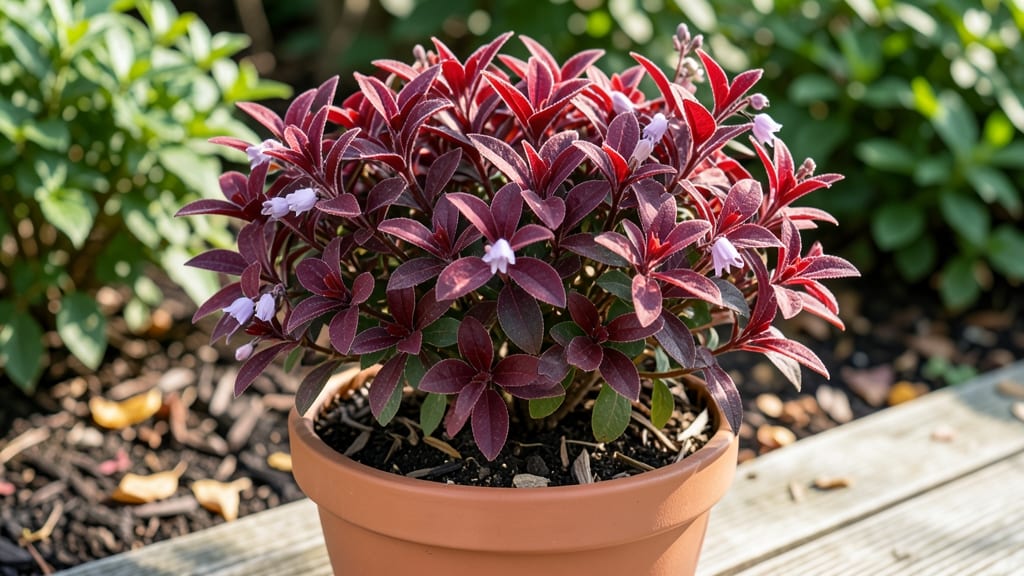
Planting the Ever Red Loropetalum transforms your landscape into a living firework—deep burgundy foliage that never fades, even in winter. 🌿 I’ve grown this shrub for years, and it’s the only one that stays stunning through every season without needing constant attention.
The secret lies in its love for well-draining soil and that perfect spot where sunlight kisses its leaves just right.
This shrub thrives in USDA Zones 7-10, making it a standout for warm climates but also surprisingly tough once established. Start with sandy, acidic soil (pH 5.0-6.0) and a location with at least 6 hours of sun daily.
The key? Avoid soggy roots—this plant hates wet feet and will protest with yellowing leaves faster than you can say "pruning time."
Once planted, water deeply once a week (more in extreme heat) and fertilize lightly in spring with balanced 10-10-10. The real magic happens when it flowers in late spring—tiny, delicate blooms that add a lace-like contrast to the bold foliage.
Prune lightly after blooming to shape it, but never cut into old wood unless you want to risk losing next year’s flowers.
For landscape drama, use it as a specimen plant, in mixed borders, or even as a thornless hedge (yes, it’s one of the few Loropetalums without spines!). The foliage’s velvety texture and year-round color make it the ultimate low-maintenance star. Ready to make yours the envy of the neighborhood?
📚 In This Guide
- What you need
- Instructions
- Tips and common mistakes
- Wrapping up and next steps
What you need
- ● Ever Red Loropetalum: 1-3 nursery-grown plants (3-4 ft tall, mature size 4-6 ft)
- ● OR seeds (if starting from scratch—germination can be slow!)
- ● Well-draining soil: 5-10 bags of garden loam mixed with 50% perlite or sand (1 cubic yard for 3 plants)
- ● Organic mulch: 2-3 bags of pine bark fines or shredded leaves (2-3 inches deep)
- ● Slow-release fertilizer: 1 lb of 10-10-10 or 8-3-9 (sprinkle 2 tbsp per plant at planting)
- ● Garden trowel or spade
- ● Pruning shears (sterilized with rubbing alcohol)
- ○ Gloves (optional but recommended—those thorns can be sneaky!)
- ● Watering can or hose with a gentle spray nozzle
- ● Measuring tape (for spacing—keep plants 3-5 ft apart)
- ● Epsom salt (1 tbsp per gallon of water for magnesium boost)
- ● Copper fungicide (prevents leaf spot if humidity is high)
- ● Stakes or cages (for young plants in windy areas)
- ● Drip irrigation kit (for low-maintenance watering)
Step-by-Step guide to planting and caring for Ever Red Loropetalum
This stunning evergreen shrub thrives with minimal fuss once you nail these key planting and maintenance steps.
🌱 Step 1: Choose the Perfect Planting Location
Ever Red Loropetalum craves full sun to partial shade—at least 6 hours of direct sunlight daily for best color intensity. I always plant mine where morning sun warms the leaves but afternoon shade prevents scorching, especially in hot climates. The shrub tolerates a range of soil types but performs best in well-draining, slightly acidic soil with a pH between 5.0 and 6.5.
Dig a hole twice as wide as the root ball but no deeper. This encourages root expansion without burying the trunk too deeply. Gently loosen the roots if they're circling in the container—just tease them outward with your fingers. The reason for this is that compacted roots struggle to establish in the new soil.
💧 Step 2: Plant and Water for Immediate Establishment
Place the shrub in the hole so the top of the root ball sits 1-2 inches below soil level. Backfill with native soil mixed with 20% compost to improve drainage and fertility. Press gently around the edges to eliminate air pockets but don't compact the soil—you want roots to spread freely.
Water deeply right after planting to settle the soil and eliminate air gaps. You'll know it's enough when water runs out the bottom of the hole and the soil surface feels uniformly damp. Mulch with 2-3 inches of organic mulch (like pine bark) around the base, keeping it 3 inches away from the trunk to prevent rot. This mulch layer helps retain moisture and regulates soil temperature.
☀️ Step 3: Maintain Year-Round Color and Health
Ever Red Loropetalum stays vibrant with regular watering during dry spells—about 1 inch of water weekly when rainfall is insufficient. You'll notice the leaves darken slightly when thirsty, so water before they wilt. Fertilize in early spring with a balanced, slow-release fertilizer (10-10-10) to encourage lush growth and deep red foliage.
Prune lightly in late winter or early spring to shape the shrub and remove any dead or crossing branches. I never cut back more than 25% of the plant at once, as this can stress the shrub. The key is to prune just outside the leaf node where you want new growth to emerge. This encourages bushier, more compact growth while preserving the natural shape.
✂️ Step 4: Protect and Prune for Long-Term Beauty
Watch for signs of stress like yellowing leaves or leaf drop—these often signal overwatering or poor drainage. If you notice this, reduce watering and ensure the soil drains freely. The shrub is generally pest- and disease-resistant, but occasional spider mites may appear in dry conditions. Treat with a gentle horticultural oil spray if needed.
For mature shrubs, a light pruning every 2-3 years keeps them looking their best. I focus on removing older wood from the center to improve airflow and prevent disease. The goal is to maintain an open, airy structure that showcases the striking foliage. Avoid heavy pruning in fall, as new growth may not harden off before winter.
Tips & tricks for perfect Ever Red Loropetalum planting
Between us, these small details make the difference between a shrub that thrives and one that struggles to take root.
Sunlight Strategy: That 6 hours of daily sunlight is non-negotiable for the deep red color, but here's the trick: if you're in a hotter climate, position your shrub to catch morning sun and afternoon shade. I've seen plants in full afternoon sun wilt by late summer—morning light gives the same energy without the heat stress. The leaves will tell you when they're happy: vibrant red means perfect light.
Root Ball Preparation: When you're loosening those circling roots in Step 1, don't just pull them apart—gently spread them outward like fingers. This mimics natural root growth and helps them establish faster. I've planted dozens and the ones with properly teased roots show new growth within weeks, while the compacted ones take months to recover. Think of it as giving your shrub a running start.
Watering Wisdom: That initial deep watering after planting isn't just about settling the soil—it's about creating an oxygen-rich environment around the roots. When water runs out the bottom, give the soil one final press with your hand. If it springs back slowly, you're good; if it stays indented, water for another 30 seconds. This simple test prevents both underwatering and waterlogging, two of the biggest rookie mistakes.
Mulch Mastery: The 2-3 inches of organic mulch isn't just decoration—it's insulation. In summer, it keeps roots cool; in winter, it protects against temperature swings. Here's what I do: apply the mulch in a donut shape, keeping it 3 inches away from the trunk as instructed, but create a slight mound around the base. This directs water toward the roots while preventing rot at the stem.
Pro Tips for Ever Red Loropetalum Shrub
- Between us, these small details make the difference between a shrub that thrives and one that struggles to take root.
- Sunlight Strategy: That 6 hours of daily sunlight is non-negotiable for the deep red color, but here's the trick: if ...
- Root Ball Preparation: When you're loosening those circling roots in Step 1, don't just pull them apart—gently spread...
Frequently asked questions
Is the Ever Red Loropetalum really thornless?
Yes! Unlike some loropetalum varieties, the Ever Red cultivar is bred to be completely thornless, making it a safer choice for gardens with kids or pets. Its delicate, feathery foliage adds texture without the prickly surprises.
How cold-hardy is this shrub?
The Ever Red Loropetalum thrives in USDA Zones 7-10, tolerating temps down to 5°F (-15°C). In colder climates, plant it in a protected spot (like near a south-facing wall) or mulch heavily to shield roots. Evergreen foliage may scorch in harsh winters, but new growth returns vibrantly in spring!
How often should I water it?
Water deeply but infrequently—about once a week in the first year, then reduce to every 2-3 weeks once established (unless your soil is sandy or drought-prone). Overwatering causes root rot, so prioritize well-draining soil. A 3-inch mulch layer helps retain moisture and regulate temps.
Can I grow Ever Red Loropetalum in containers?
This shrub adapts well to large containers (15+ gallons), making it perfect for patios or small yards. Use a fast-draining potting mix with perlite, and opt for a wide, shallow pot to mimic its natural root spread. Repot every 2-3 years and fertilize lightly in spring for lush growth.
What pests should I watch for?
While generally pest-resistant, Ever Red Loropetalum may attract scale insects or aphids. Treat infestations early with neem oil or insecticidal soap. Spider mites can also appear in dry heat—spray leaves with water to deter them. Healthy plants with proper spacing rarely face serious issues!
What’s the best alternative if I want year-round color but no maintenance?
If you crave low-maintenance color, consider Dwarf Boxwood (Buxus microphylla) or Dwarf Gardenia (Gardenia jasminoides ‘Kleim’s Hardy’). For a bold red alternative, try Ilex ‘Stokes Dwarf’ (holly) or Pieris japonica ‘Little Heath’. All three offer evergreen foliage and minimal upkeep!
Wrapping up and next steps
The Ever Red Loropetalum is a showstopper for any landscape, offering bold color, low maintenance, and year-round interest—all without the hassle of thorns. Whether you’re drawn to its fiery foliage, drought tolerance, or adaptability, this shrub delivers effortless beauty that thrives in sun or shade.
Ready to transform your outdoor space? Start by picking the perfect spot and watch your garden bloom with drama! 🌿✨