
Shrubs
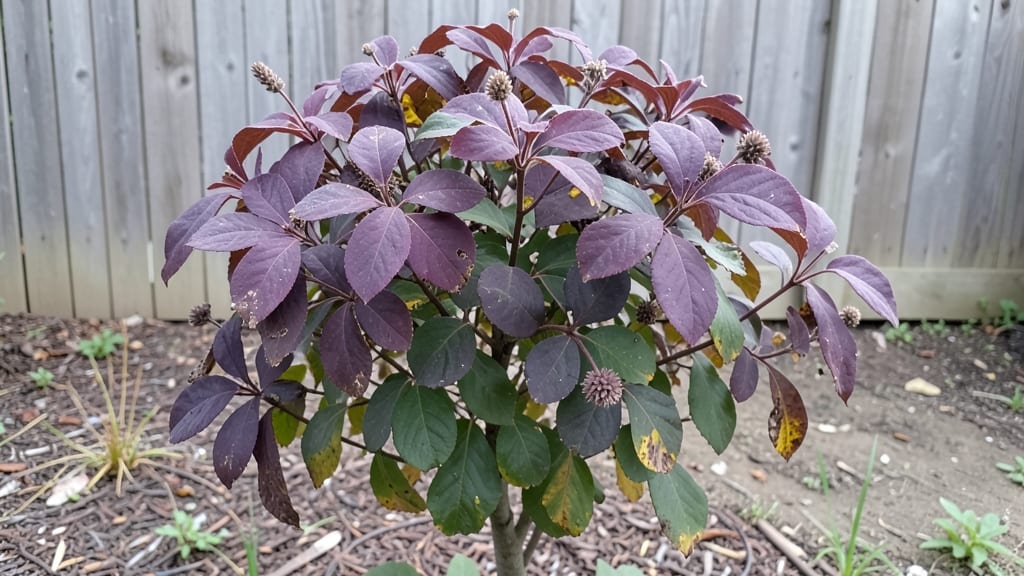
Purple leaf shrubs and bushes bring drama to any garden—no flowers needed. ✨ I remember the first time I planted a purple smoke bush, and how it transformed a dull corner into a showstopper with just its foliage.
These plants aren’t just pretty; they’re the backbone of bold, low-maintenance designs that steal the show in every season.
The magic happens when you pair them right. A deep purple smoke bush next to silver foliage like lamb’s ear creates a striking contrast, while lighter lavender bluebeard adds texture when planted near grasses or ornamental grasses.
These shrubs also handle pruning like champs, so you can shape them into hedges, screens, or even topiary—no green thumb required.
What you end up with is a garden that pops in winter, spring, summer, and fall. The colors shift subtly with sunlight—morning light deepens the hues, while afternoon sun brings out jewel-toned edges. They’re the ultimate conversation starter, drawing neighbors in to ask, “What’s that gorgeous purple thing?”
Works in full sun or partial shade, in containers or as foundation plants. Whether you’re filling a large yard or a small balcony, these shrubs deliver year-round drama with almost no effort. Let’s make your garden unforgettable!
The Science Behind Purple Foliage
Those stunning purple leaf shrubs and bushes aren’t just a lucky accident of nature—they’re the result of fascinating plant biology and environmental interactions. The deep purples, magentas, and even blues in their leaves come from a mix of pigments, light exposure, and internal chemistry.
Let’s break down the real reasons why these shrubs stay so vibrant.
Most of the purple hue in these shrubs comes from anthocyanins, water-soluble pigments that act like natural sunscreen for plants. Here’s how they work:
- UV Protection: Anthocyanins absorb harmful ultraviolet (UV) light, shielding leaves from sun damage. Think of them as a plant’s built-in SPF.
- pH Sensitivity: The color shifts based on the leaf’s acidity—more acidic environments (like cooler temps) enhance purples, while alkaline conditions may dull them.
- Nutrient Stress Response: Some shrubs produce more anthocyanins when nitrogen levels are low, using the pigment to signal (or survive) nutrient scarcity.
Pro Tip: 🌡️ If your purple leaves start looking more greenish, check your soil pH—aim for 5.0–6.5 to keep those anthocyanins firing.
Purple foliage isn’t just about genetics—it’s also about light exposure and temperature. Here’s the science:
| Factor | Effect on Color | Actionable Fix |
|---|---|---|
| 🌞 Full Sun | Boosts anthocyanin production, deepening purples. | Plant in 6+ hours of direct sun for maximum vibrancy. |
| ❄️ Cooler Temps | Enhances purple tones (especially in fall/winter). | Avoid overheating roots—mulch in summer to protect roots. |
| 🌧️ Drought Stress | Can trigger anthocyanins as a survival mechanism. | Water deeply but avoid soggy soil—consistency is key. |
Pro Tip: ✨ For year-round color, choose varieties like Cercis canadensis (purple-leaf redbud) or Weigela florida ‘Wine and Roses’—they’re bred to handle temperature swings.
Not all shrubs turn purple—it’s often a cultivar trait. Here’s why some stay vibrant while others fade:
- Selective Breeding: Nurseries develop purple-leaf varieties (e.g., Cotinus coggygria ‘Royal Purple’) by crossbreeding plants with high anthocyanin levels.
- Chlorophyll Masking: If green chlorophyll dominates, purples get washed out. Look for low-chlorophyll cultivars.
- Heritage Traits: Some species (like Lagerstroemia crape myrtles) naturally produce purple foliage due to ancestral adaptations.
Pro Tip: 🔍 When shopping, check labels for terms like “purple foliage,” “anthocyanin-rich,” or “variegated purple.” Avoid “green with purple tints”—those often revert to green.
Now that you know the why, you can tweak light, soil, and care to keep those purples popping all season long! 🎨
Revive Your Colorful Shrubs Quickly
Purple-leafed shrubs and bushes are stunning additions to any garden, but they can sometimes lose their vibrancy due to pests, diseases, or environmental stress. The good news? Most issues have simple, actionable fixes.
Below, we’ll break down common problems and the best ways to restore your plants’ lush, purple glory—plus tips to keep them thriving long-term.
Cause: Overwatering, nutrient deficiency (especially iron or nitrogen), or fungal issues like powdery mildew. Solution:
- 🔥 Adjust Watering Habits: Purple-leaf plants like Japanese maples or smoke bushes prefer well-draining soil. Let the top 1–2 inches dry out between waterings to prevent root rot.
- 🍳 Feed with Iron: Yellowing between veins? Use a chelated iron supplement (like Ironite) or apply compost rich in organic matter. For nitrogen, try a balanced 10-10-10 fertilizer in early spring.
- 👨🍳 Treat Fungal Issues: If leaves look dusty or gray, spray with neem oil or a baking soda solution (1 tsp baking soda + 1 quart water + a drop of dish soap). Prune affected branches immediately.
💡 Prevention Tip: Mulch with wood chips to retain moisture without suffocating roots, and avoid overhead watering in humid climates.
Cause: Tiny pests suck sap, causing curled leaves, webbing, or sticky residue (honeydew). Solution:
- 🔪 Blast Off Pests: Spray plants with a strong stream of water to dislodge mites or aphids. Repeat every 2–3 days for severe infestations.
- 🥘 Natural Repellents: Mix 1 tsp insecticidal soap or 1 tbsp horticultural oil per quart of water. Spray undersides of leaves where pests hide.
- 🌡️ Encourage Beneficial Bugs: Ladybugs and lacewings devour aphids—plant marigolds or dill nearby to attract them.
✨ Pro Tip: Wrap sticky traps (like yellow cards) around the plant to monitor pest activity early.
Cause: Sudden temperature swings, drought stress, or improper pruning. Solution:
- 💧 Hydrate Deeply: Water slowly at the base (not the leaves) during heatwaves. Use drip irrigation for consistency.
- 🎯 Shield from Harsh Sun: If leaves look crispy, provide afternoon shade with a lightweight shade cloth (30–50% coverage).
- ⏰ Prune Strategically: Trim in late winter/early spring (before new growth) to avoid stress. Use clean, sharp shears to prevent disease entry.
🔥 Quick Fix: If leaves drop suddenly, check for root bound plants—gently loosen roots in the soil or repot if needed.
Cause: Too much shade, over-fertilizing, or lack of sunlight. Solution: - 📊 Move to Better Light: Most purple-leaf shrubs (like crape myrtles or weigelas) need 6+ hours of sun.
Gradually acclimate them if relocating. - 💪 Prune for Shape: Cut back overly long stems by ⅓ to encourage bushier growth. Focus on inner branches to improve airflow. - 🥗 Balance Fertilizer: Skip high-nitrogen feeds—opt for a low-nitrogen, high-phosphorus fertilizer (like 5-10-10) to boost root and bloom health.
🌿 Bonus: Pinch back new growth in early summer to trigger denser foliage.
If your shrub is wilted, blackened, or oozing sap, act fast: 1. 🔪 Remove Damaged Parts: Cut off affected branches 6 inches below the damage with sterilized tools.
- 🧴 Apply Fungicide: Use copper-based spray or hydrogen peroxide (3%) to kill pathogens.
- 🌱 Quarantine: Isolate the plant until new growth appears to prevent spread.
💡 Prevention: Sterilize pruners with rubbing alcohol, and avoid wounding bark during trims.
Final Thought: Purple-leaf shrubs are resilient—most issues resolve with proactive care. Monitor your plants weekly, adjust habits seasonally, and soon, your garden will burst with year-round color! 🌸
Frequently asked questions
Which purple leaf shrubs are best for small gardens?
Compact varieties like 'Dwarf Fountain' smoke bush or 'Little Henry' purple leaf plum thrive in tight spaces. These stay under 3-4 feet tall while delivering bold color. Pair them with ornamental grasses for height contrast in containers or window boxes.
Do purple leaf shrubs change color in winter?
Most retain their purple hues but may deepen to burgundy or bronze when temperatures drop. Evergreens like purple leaf boxwood keep color year-round, while deciduous types (like redbud) may turn brown but stay visually striking. Mulch heavily to protect roots and preserve color.
How do I create a purple-themed garden?
Layer shrubs by height: Start with 6-foot crape myrtles at the back, add 3-foot weigelas in the middle, and finish with 1-foot lavender hebe at the front. Add silver foliage (like lamb's ear) to make purples pop. For containers, mix purple leaf plum with white flowers for contrast.
Why are my purple leaves turning green?
This usually means too much nitrogen or shade. Move plants to 6+ hours of sun and switch to a low-nitrogen fertilizer (like 5-10-10). Some varieties naturally revert to green as they age—check your plant's mature color expectations.
Can I grow purple leaf shrubs in containers?
Choose dwarf varieties like 'Purple Pillar' bluebeard or 'Purple Smoke' cotinus. Use well-draining potting mix and containers with drainage holes. Water when the top inch of soil feels dry, and fertilize monthly during growing season with a balanced formula.