
Shrubs
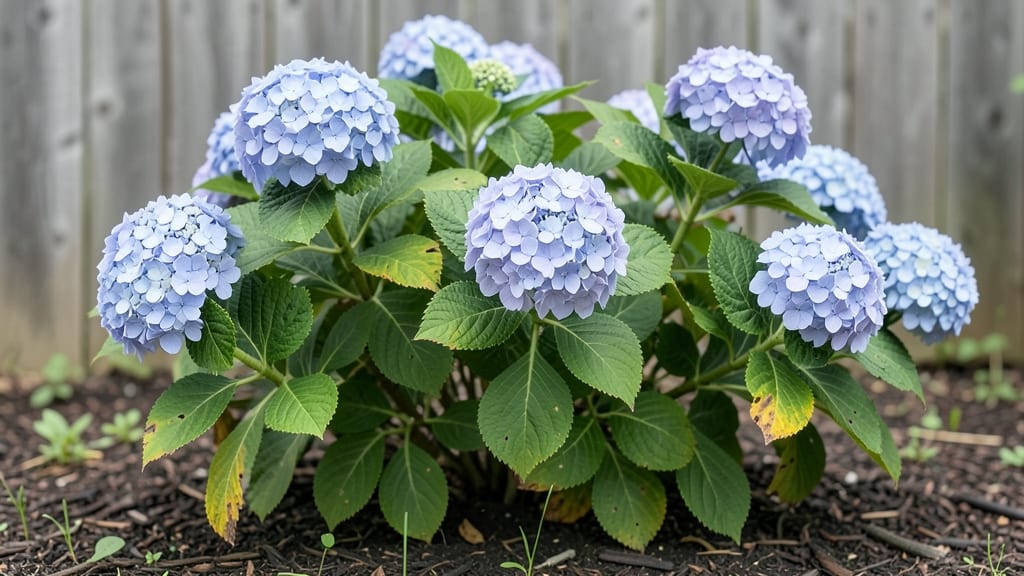
Summer flowering shrubs and bushes turn your yard into a nonstop show—bold blooms from June through September that need almost no fuss to keep looking stunning.
I’ve designed my front border with a mix of hydrangeas, abelia, and butterfly bush, and honestly, the neighbors keep asking how I do it. The secret isn’t hours of pruning or fancy fertilizers—it’s picking the right plants for your sunlight and space.
Think of these shrubs as the backbone of your garden: hydrangeas add vibrant color in shades of blue, pink, or white, while abelia brings fragrant white flowers and glossy foliage that stays pretty even when not in bloom.
For hot, dry climates, drought-tolerant options like butterfly bush or lavender save water while still packing a punch. Pair them with ornamental grasses or evergreen shrubs for year-round texture, and suddenly, your garden feels like a curated masterpiece—not just a yard.
You’ll end up with a garden that looks effortless but is actually thoughtfully layered. The blooms attract butterflies and hummingbirds, the foliage provides structure, and the minimal pruning means more time enjoying the view than wielding shears.
Whether you’re lining a pathway, filling a hedge, or creating a mixed border, these shrubs deliver season-long drama with almost no upkeep.
Works in any zone—just swap out heat-sensitive varieties for cold-hardy ones if needed. The key is matching plants to your sunlight and soil, then stepping back to let them shine. Here’s how to mix and match them for maximum impact all summer long.
Nature’s Blooming Timing Triggers
Summer flowering shrubs and bushes burst into color thanks to a fascinating interplay of biology, climate, and seasonal cues. Understanding these triggers helps gardeners anticipate—and even encourage—lush displays. Here’s why your plants choose summer as their prime time to shine.
Most summer-blooming shrubs rely on photoperiodism, a plant’s internal response to daylight length. As days grow longer in spring and stabilize in summer, these shrubs receive the critical signal to produce flowers. Here’s how it works:
- Day-Neutral vs. Day-Length Sensitive: Some shrubs (like Hydrangea paniculata) bloom regardless of daylight, while others (like Weigela) need 14+ hours of light to trigger flowering.
- Hormonal Shift: Longer days reduce florigen inhibitors, a protein that suppresses blooms. Once daylight peaks, the plant’s meristem (growth tissue) switches from leaf production to flower buds.
- Actionable Tip: If your shrub isn’t blooming, check its light exposure. South-facing spots or supplemental grow lights (for indoor plants) can help meet its photoperiod needs.
Temperature acts as a gatekeeper for summer blooms. Most shrubs need a balance of warmth and cool periods to flower properly:
| Stage | Ideal Temperature Range | Why It Matters |
|---|---|---|
| Bud Formation | 50–70°F (10–21°C) | Cooler nights after warm days signal the plant to set buds (e.g., Spiraea needs this contrast). |
| Bloom Time | 65–85°F (18–29°C) | Too hot (>90°F/32°C) can cause buds to abort or wilt (common in Lilac bushes). |
| Post-Bloom Recovery | 60–75°F (15–24°C) | Moderate temps help the plant store energy for next year’s flowers. |
Pro Tip: If summers in your zone are scorching, mulch heavily (3–4 inches of organic mulch) to regulate soil temps and reduce stress. Drip irrigation in the morning also prevents heat shock to buds.
Many summer-flowering shrubs (like Butterfly Bush or Abelia) need a period of dormancy to “reset” their flowering cycle. Here’s how winter sets the stage:
- Chilling Hours: Some shrubs require 200–1,000 hours below 45°F (7°C) to break dormancy. Without this, buds may fail to form (e.g., Hydrangea macrophylla struggles in warm-winter climates).
- Hormonal Priming: Cold temps convert stored starches into sugars, fueling early spring growth. This “head start” ensures robust summer blooms.
- Actionable Fix: If you’re in a mild-winter zone, simulate chilling by moving potted shrubs to a garage or using vernalization techniques (e.g., refrigerating bare-root plants for 6–8 weeks before planting).
Flowering is energy-intensive! Shrubs prioritize blooms when they have the right nutrients and hydration:
- Phosphorus (P): The “flower power” nutrient. A soil test with low P (<50 ppm) can stunt blooms. Use bone meal or superphosphate in early spring.
- Potassium (K): Strengthens cell walls to support heavy blooms. A K deficiency leads to weak stems (common in Rose of Sharon).
- Water Stress: Drought or overwatering disrupts nutrient uptake. Deep, infrequent watering (1–2 inches per week) encourages root growth, which fuels flowers.
✨ Quick Fix: Fertilize in early spring with a balanced 10-10-10 or 5-10-10 (high P) formula. Avoid high-nitrogen feeds (like 30-0-0) in bloom season—they promote leaves over flowers!
By aligning your care with these natural triggers, you’ll coax your shrubs into their most vibrant summer displays—with minimal pruning required! 🌸
How to solve it
Summer flowering shrubs and bushes can sometimes look less than vibrant—whether it’s sparse blooms, leggy growth, or pests wreaking havoc. But don’t stress! With a few targeted fixes, you can restore their lushness and keep them thriving with minimal effort.
Here’s how to diagnose and solve common issues, plus tips to prevent future problems.
When shrubs stretch too tall or look crowded, they’re often starving for space or light. Here’s how to correct it:
- 🔪 Prune strategically: Trim back overgrown branches by one-third in early spring or right after blooming. Focus on inner branches to improve airflow and sunlight penetration.
- 🌿 Thin out dense areas: Remove entire stems at the base if they’re rubbing against each other or blocking sunlight from the center.
- 💡 Pro tip: Use sharp, sterilized pruners to avoid damaging the plant. Disinfect them with rubbing alcohol between cuts to prevent disease spread.
Prevent it: Space new shrubs 3–6 feet apart (depending on the variety) and prune lightly each year to encourage bushier growth.
Spotted leaves, chewed foliage, or black spots? Pests and diseases are likely the culprits. Act fast to save your shrubs:
| Problem | Solution | Prevention |
|---|---|---|
| 🐜 Aphids or Spider Mites | Spray with soapy water (1 tsp mild dish soap + 1 quart water) or use neem oil. Repeat every 5–7 days. | Encourage natural predators like ladybugs. Mulch around the base to deter pests. |
| 🍄 Powdery Mildew | Apply a fungicide (baking soda spray: 1 tbsp baking soda + 1 quart water + a drop of soap). Prune infected areas immediately. | Space plants for airflow. Water at the base, not overhead, to keep leaves dry. |
| 🐜 Japanese Beetles | Handpick beetles into soapy water. Use milky spore powder for long-term control. | Plant trap crops like marigolds nearby to lure beetles away. |
Underwatering or overwatering can stress shrubs, leading to wilted leaves or root rot. Adjust your watering routine:
- 🌡️ Check soil moisture: Stick your finger 1–2 inches into the soil. If it’s dry, water deeply. If soggy, hold off and improve drainage.
- 💦 Water at the base: Use a soaker hose or drip irrigation to deliver water directly to the roots. Avoid wetting leaves to prevent fungal issues.
- ⏰ Water early or late: Water in the morning or evening to reduce evaporation and fungal risks.
Prevent it: Mulch around the base (2–3 inches deep) to retain moisture and regulate soil temperature.
If your shrubs are flowering poorly, they might not be getting enough (or too much) sunlight. Adjust their placement:
- 🌿 Full-sun lovers (e.g., butterfly bush, abelia): Ensure they get at least 6 hours of direct sunlight daily. Move them if they’re shaded by trees or structures.
- 🌙 Partial-shade plants (e.g., hydrangeas, pieris): Protect them from harsh afternoon sun. Dappled sunlight or morning sun works best.
- 💡 Pro tip: Observe your shrubs for 2–3 weeks. If leaves yellow or stems stretch toward light, they need more sun. If leaves scorch, they need shade.
Prevent it: Plant shrubs in locations that match their sunlight needs before they’re established.
Yellowing leaves or stunted growth? Your shrubs might be hungry. Feed them the right nutrients:
- 📊 Test your soil: Use a DIY soil test kit to check pH and nutrient levels. Most flowering shrubs prefer slightly acidic to neutral soil (pH 6.0–7.0).
- 💪 Use slow-release fertilizer: Apply a balanced, granular fertilizer (10-10-10 or 20-20-20) in early spring and again after blooming. Follow package instructions.
- 🍎 Organic options: Compost, worm castings, or fish emulsion can provide a gentle nutrient boost without risking over-fertilization.
Prevent it: Avoid over-fertilizing, which can burn roots. Stick to the recommended amounts and water thoroughly after applying.
Frequently asked questions
Which summer flowering shrubs attract the most pollinators?
Butterfly bush (Buddleia) and abelia are top choices—both draw butterflies, hummingbirds, and bees with their fragrant blooms. For extra buzz, pair them with lavender or coneflowers. These shrubs provide nectar from mid-summer through fall, making them pollinator powerhouses.
Can I grow summer flowering shrubs in containers?
Compact varieties like dwarf hydrangeas or abelia work beautifully in pots. Use well-draining soil and a container at least 12-18 inches deep. Move containers to partial shade during peak afternoon sun to prevent leaf scorch.
How do I prevent my summer shrubs from looking leggy?
Leggy growth usually means insufficient light. Trim back overgrown branches by one-third in early spring, and space new plants 3-5 feet apart for better airflow. For indoor pots, place near a south-facing window or use grow lights for 6+ hours daily.
What's the best way to extend summer blooms?
Deadhead spent flowers regularly to encourage new blooms, and fertilize lightly with a 5-10-10 formula in early summer. For long-lasting color, choose repeat bloomers like hydrangeas or rose of Sharon, which flower on new wood.
Are there drought-tolerant summer flowering options?
Yes! Butterfly bush, lavender, and abelia thrive with minimal water once established. Mulch heavily (3-4 inches) to retain moisture, and water deeply 1-2 times per week during extreme heat. These varieties store water efficiently in their roots.