
Shrubs
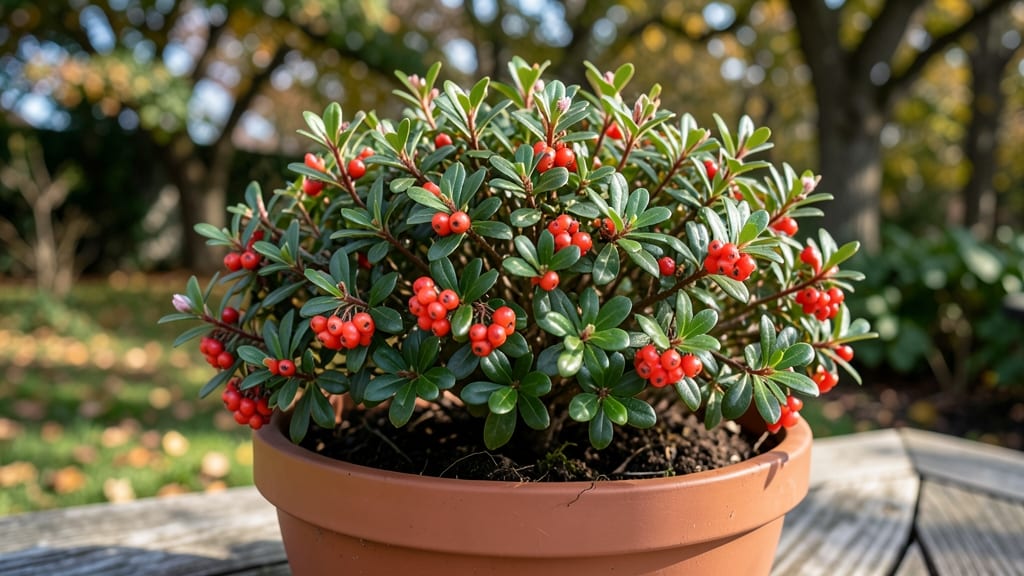
Red color shrubs turn your garden into a living painting—vibrant, striking, and effortless. 🌿 I’ve designed entire borders with just three types of red foliage plants, and they’ve never needed more than a seasonal trim to stay showstopping. The key is mixing textures: glossy leaves, feathery branches, and even variegated red-and-green combos create depth without extra work.
Start with Nandina domestica for year-round drama—its burgundy stems glow in winter, while Cotoneaster delivers clusters of berries that birds adore. Barberry adds structure with its upright form and fiery fall color. These shrubs thrive in full sun to partial shade, so they fit almost anywhere without fuss.
Pair them with silver foliage (like lamb’s ear) to make the red pop even more, or tuck in white flowers (such as gardenias) for contrast. In autumn, the reds deepen into fiery oranges, and in winter, their bare branches add architectural interest.
No deadheading, no fuss—just bold color that works all season.
For low-maintenance impact, stick to these three. Prune only to shape, and watch your garden become the talk of the neighborhood. The best part? They grow slowly, so you won’t be battling overgrowth. Ready to transform your space with minimal effort?
📚 In This Guide
- What you need
- Instructions
- Tips and common mistakes
- Wrapping up and next steps
What you need
- ● Red shrubs: Choose from 1–3 plants per variety (e.g., Hydrangea macrophylla, Cotoneaster dammeri, or Cornus sericea). Opt for container-grown (1–3 gallon pots) for easier planting.
- ● High-quality potting soil: 2–3 bags (1–2 cubic feet each) of well-draining, organic soil (e.g., Miracle-Gro or FoxFarm Ocean Forest).
- ● Mulch: 1–2 bags of pine bark or shredded cedar mulch (3–4 cubic feet) to retain moisture and suppress weeds.
- ● Fertilizer: Slow-release granular fertilizer: 1 bag (e.g., 10-10-10 or 5-10-5 for acid-loving shrubs like hydrangeas).
- ● Organic option: 1–2 lbs of composted manure or worm castings for a nutrient boost.
- ● Pruning tools: Bypass pruners: 1 pair (sharp, bypass-style for clean cuts).
- ● Loppers: 1 pair (for thicker branches, 18–24" reach).
- ● Hand saw: 1 (for stubborn stems, curved blade preferred).
- ● Garden gloves: 1 pair (nitrile-coated for grip and protection).
- ● Watering can or hose: 1 with a gentle spray nozzle (or drip irrigation kit for efficiency).
- ● Soil pH test kit: 1 to adjust soil acidity (critical for hydrangeas—aim for 5.5–6.2 for blue/purple blooms or 6.0+ for red!).
- ● Epsom salt: 1 lb (adds magnesium for richer red foliage in some shrubs).
- ● Staking system: 1–2 stakes + ties for young or top-heavy shrubs (e.g., Weigela).
- ● Slow-release watering spikes: 2–4 (for drought-prone areas).
- ● Decorative rocks or gravel: 1 bag (for mulch-free landscaping or drainage layers).
How to select and plant red shrubs for year-round impact
Here's how I choose and install red shrubs that deliver bold color while demanding almost no attention.
🌿 Step 1: Choose Shrubs for Seasonal Red Drama
Start with evergreens for winter color—Ilex 'Sparkleberry' and Rhododendron 'PJM' maintain deep red foliage even in frost. For spring blooms, Cornus sericea 'Flaviramea' (red twigs) and Viburnum bodnantense 'Dawn' offer fiery red flowers before leaves emerge. Summer's best red shrubs are Hydrangea macrophylla 'Endless Summer' (red blooms) and Callicarpa bodinieri 'Profusion' (purple berries that turn red).
I always check mature size labels—6-foot shrubs need 8 feet of spacing, while 3-foot varieties can tuck into tight spots. Plant in groups of 3-5 for maximum visual impact. The key is mixing evergreen, deciduous, and flowering types to ensure red color in every season.
☀️ Step 2: Select the Perfect Planting Location
Most red shrubs thrive in part shade to full sun—6 hours of sunlight is ideal for vibrant blooms. I test locations by watching how light moves through the day: morning sun with afternoon shade works best for hydrangeas, while evergreens tolerate more afternoon sun. Avoid low spots where water pools—poor drainage causes root rot in red twig dogwoods.
For dramatic winter interest, plant evergreens where they'll be visible against fences or house walls. I always sketch the mature shape first—spreading shrubs like Weigela need room to expand, while upright varieties like Diervilla work well near walkways. The goal is to create a layered look with different heights and textures.
🪴 Step 3: Prepare the Planting Hole and Install Shrubs
Dig holes twice as wide as the root ball but only as deep—planting too deep suffocates roots. I loosen the sides with a shovel to encourage root spread. Mix the excavated soil with 2 inches of compost (never use fresh manure—it burns roots). For acid-loving shrubs like azaleas, add 1 cup of peat moss to the backfill mix.
Place the shrub so the top of the root ball sits 1 inch above ground level—settling will occur over time. Spread roots gently and backfill with the amended soil, tamping lightly every 2 inches to eliminate air pockets. Water deeply until moisture reaches 6 inches down, then add 1 inch of mulch (keep it 3 inches away from stems to prevent rot).
💧 Step 4: Establish Watering and Maintenance Routine
Water deeply 2-3 times per week for the first year—1-2 gallons per shrub each time. You'll know it's enough when water drains 4-6 inches deep. After establishment, most red shrubs need only 1 inch of water weekly during dry spells. I always water in the early morning to reduce fungal risks.
Prune late winter or early spring before new growth appears. For flowering shrubs, cut back one-third of old stems to encourage new blooms. Remove dead or crossing branches at the base. I never prune more than 25% of the plant in one season—this prevents stress. Fertilize once in early spring with slow-release granules—no need for monthly feedings.
✂️ Step 5: Plan for Year-Round Color Rotation
Schedule spring bloomers (like viburnum) for early color, summer performers (like hydrangeas) in mid-season, and fall berries (like callicarpa) for late drama. I always plant 3-5 shrubs of each type to ensure continuous color. For winter interest, incorporate red-twig dogwoods and evergreen hollies—their glossy red berries provide food for birds while adding holiday cheer.
Group shrubs by water needs—drought-tolerant varieties like crape myrtle go together, while moisture-loving hydrangeas get their own zone. The key is layering heights: place tall shrubs at the back, medium varieties in the middle, and spreading types at the front. This creates depth and ensures every season has a red focal point.
Tips & tricks for perfect red shrub plantings
Creating a vibrant red shrub garden isn't just about planting—it's about strategic placement and care that keeps those bold colors popping year after year.
Seasonal Layering Strategy: In Step 1, when selecting your shrubs, I recommend adding one native variety to each group. Native plants like Virginia sweetspire or summer sweet require less maintenance and provide extra pollinator benefits. Their natural resilience means they'll still deliver red foliage or flowers even during drought years, which is especially important for 6-foot shrubs that need consistent moisture.
Light Testing Technique: Before finalizing your planting location in Step 2, I've found that using a light meter app on your phone can save hours of guesswork. These apps measure 6 hours of sunlight precisely, helping you avoid overestimating shade. For evergreens like Ilex 'Sparkleberry', I aim for 4-6 hours of direct sun—any less and their red foliage may fade to green. Place a small whiteboard at potential locations to track sunlight patterns for a full week before planting.
Root Health Secret: When preparing your planting hole in Step 3, I always add a handful of mycorrhizal fungi to the backfill mix. These beneficial organisms form symbiotic relationships with shrub roots, dramatically improving nutrient uptake—especially for acid-loving varieties like Rhododendron 'PJM'. You can find mycorrhizal granules at garden centers or make your own by composting with pine needles. This one addition has kept my 3-foot varieties thriving in spots where other shrubs struggled.
Winter Interest Hack: For maximum winter drama, I strategically plant red-twig dogwoods near evergreen hollies—their contrasting textures create visual interest even when other plants are dormant. In Step 5, when planning your color rotation, consider adding 1-2 shrubs with red bark like Betula nigra 'Coker's Creek' (river birch) to your winter palette. The peeling red bark provides striking color when foliage is absent, and it's completely maintenance-free once established.
Pro Tips for Red Color Shrubs
- Creating a vibrant red shrub garden isn't just about planting—it's about strategic placement and care that keeps those bold colors popping year after year.
- Seasonal Layering Strategy: In Step 1, when selecting your shrubs, I recommend adding one native variety to each group.
- Light Testing Technique: Before finalizing your planting location in Step 2, I've found that using a light meter app on your phone can save hours of guesswork.
Frequently asked questions
Got questions about adding fiery red shrubs to your garden?
Here are answers to the most common queries—from plant care to design tips—to help you create a stunning, low-maintenance landscape.
What are the easiest red shrubs for beginners?
Start with Cotoneaster (like C. dammeri) or Heuchera varieties—they thrive in partial shade, handle drought, and stay vibrant with minimal fuss. Berberis thunbergii (Japanese barberry) is another winner: cold-hardy, pest-resistant, and packed with year-round color.
When is the best time to plant red shrubs?
Plant in early spring or fall for ideal results. Spring lets roots establish before summer heat, while fall gives them time to settle before winter dormancy. Avoid extreme temperatures—never plant in peak summer or deep freeze!
Can I mix red shrubs with other colors for contrast?
Pair deep reds like Hydrangea 'Endless Summer' with silvery foliage (e.g., Artemisia) or soft yellows (e.g., Spiraea) for a striking contrast. For drama, try red + purple combos (like Weigela and Clerodendrum)—they pop against each other!
What pests or diseases should I watch for in red shrubs?
Most red shrubs are tough, but keep an eye out for aphids (sap-sucking pests) or powdery mildew (white fungus) in humid climates. Prune for airflow, and spray neem oil if needed. Japanese barberry is especially resistant—great for low-maintenance gardens!
Do red shrubs need full sun, or can they handle shade?
It depends! Sun-lovers like Abelia or Pyracantha thrive in 6+ hours of sun, while Heuchera or Hydrangea prefer partial shade. Check your shrub’s tag—most red varieties tolerate 4–6 hours of sun, making them versatile for borders or woodland edges.
Wrapping up and next steps
Transforming your garden into a vibrant, low-maintenance masterpiece is easier than you think! Red shrubs bring bold color, year-round interest, and resilience—perfect for busy gardeners who still crave drama.
Whether you’re drawn to fiery Cotoneaster, deep Hydrangea, or striking Barberry, these plants prove that stunning landscapes don’t require endless effort.
Ready to dive in? Start small—pick one or two shrubs to test in your space, then expand as you gain confidence. Your garden’s red revolution awaits! 🌿✨