
Shrubs
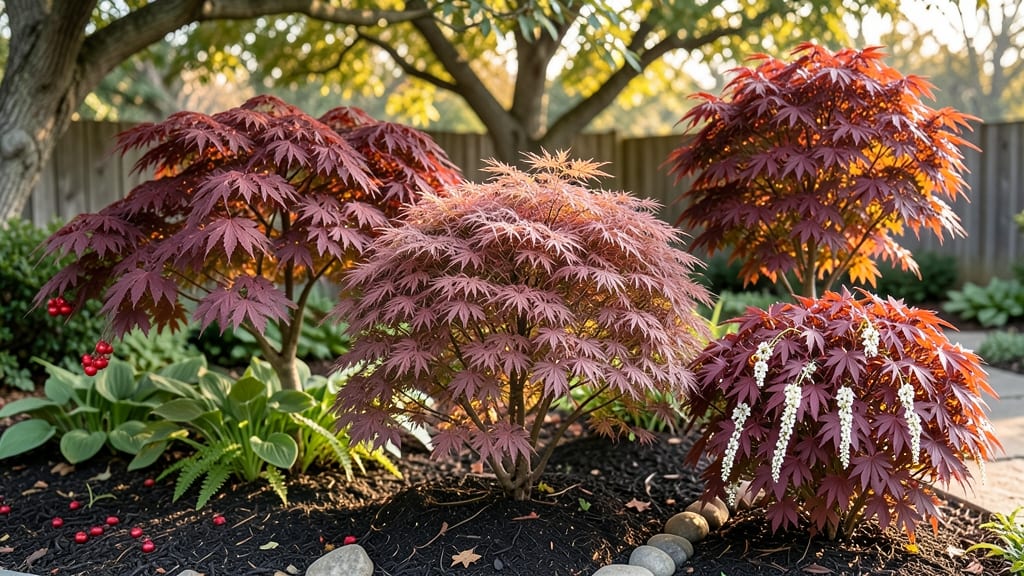
Your garden deserves a year-round privacy screen that looks stunning in every season—and red leaf bushes and shrubs deliver exactly that. 🌿 These vibrant, thornless plants create lush, fragrant barriers that outshine traditional evergreens with their bold foliage and easy-care nature.
The secret to their drama lies in their versatility: use them as bold borders, dramatic accents, or even focal points in your landscape. They pair beautifully with evergreens for texture contrast or flowering perennials for seasonal pops of color.
Unlike fussy shrubs, these thrive with minimal fuss—just consistent watering and occasional pruning. Imagine a deep burgundy hedge framing your patio in summer, then transitioning to fiery reds in fall before settling into a soft winter silhouette.
The fragrance adds another layer of charm, making your outdoor space feel like a retreat. Perfect for modern landscapes, cottage gardens, or even urban courtyards. Here’s how to make them the star of your design!
📚 In This Guide
- What you need
- Instructions
- Tips and common mistakes
- Wrapping up and next steps
What you need
- ● Red leaf shrubs: Choose 3–5 mature plants (depending on desired height and coverage). Popular options: Oakleaf Hydrangea (Hydrangea quercifolia) – 6–10 ft tall, thrives in partial shade
- ● Crapemyrtle (Lagerstroemia spp.) – 10–20 ft tall, drought-tolerant
- ● Japanese Maple (Acer palmatum ‘Bloodgood’) – 15–25 ft tall, delicate foliage
- ● Barberry (Berberis thunbergii ‘Rose Glow’) – 3–5 ft tall, thornless varieties available
- ● Potting soil or garden soil: 1–2 cubic yards (for in-ground planting) or 5–10 bags (for container gardening)
- ● Organic compost or fertilizer: 10–20 lbs (balanced 10-10-10 or slow-release for best results)
- ○ Mulch (optional but recommended): 2–3 bags of shredded bark or pine straw to retain moisture
- ● Garden trowel or spade – For digging holes (12–18 inches deep)
- ● Garden gloves – To protect your hands from thorns (if using traditional barberry)
- ● Watering can or hose with nozzle – For gentle, deep watering
- ● Pruning shears – For shaping and maintaining your shrubs
- ● Measuring tape – To space plants 3–6 ft apart (depending on variety)
- ○ Stakes and twine (optional) – For young or top-heavy shrubs in windy areas
- ● Sunlight assessment: Most red leaf shrubs thrive in full sun to partial shade (4–6 hours of sunlight daily). Avoid deep shade spots.
- ● Well-draining soil: Amend heavy clay soil with compost to prevent root rot.
- ● Water source nearby: Shrubs need 1–2 inches of water per week (more during establishment).
- ● Local climate check: Verify hardiness zones (most red leaf shrubs grow in Zones 5–9).
How to plant and maintain a stunning red leaf privacy screen
Here's the method I've used to create lush, fragrant privacy screens that burst with color year-round.
🌱 Step 1: Choose the Right Red Leaf Varieties for Your Climate
Select thornless varieties like Burning Bush (Euonymus alatus), Coralberry (Symphoricarpos orbiculatus), or Smoke Bush (Cotinus coggygria)—these deliver bold foliage and seasonal interest. Burning Bush thrives in zones 4-8 with full sun to partial shade, while Smoke Bush handles drought better in zones 5-8. I always check the mature height (most reach 6-12 feet) to ensure they fit your space.
For fragrant options, Coralberry produces clusters of pink berries with a subtle vanilla scent, while Smoke Bush offers silvery-purple foliage that contrasts beautifully with red. Group 3-5 plants for a natural, full look—spreading them too far apart leaves gaps that detract from privacy. I plant mine in odd-numbered clusters for visual balance.
🪴 Step 2: Prepare the Planting Site for Optimal Growth
Dig a hole twice as wide as the root ball but no deeper—planting too deep suffocates roots and causes stress. Loosen the soil at the bottom of the hole with your hands or a trowel to encourage root spread. Amend heavy clay soil with 2-3 inches of compost mixed into the bottom 6 inches of the hole—this improves drainage without overwhelming the plant.
Space plants 4-6 feet apart for a dense screen (closer for faster coverage, farther for mature plants). If your site has poor drainage, mound native soil in the hole’s center to create a slight elevation—red leaf shrubs hate soggy roots. Water the hole thoroughly before planting to settle the soil and remove air pockets.
☀️ Step 3: Plant and Water for Strong Establishment
Gently remove the plant from its container and tease the roots outward if they’re circling. Place it in the hole so the top of the root ball sits 1 inch above ground level—this prevents settling and crown rot. Backfill with native soil, pressing lightly around the edges to eliminate gaps. Water deeply (1-2 gallons per plant) to help soil settle and eliminate air pockets.
Mulch with 2-3 inches of wood chips or shredded bark, keeping it 6 inches away from the trunk to prevent moisture buildup. The mulch retains soil moisture and suppresses weeds, but avoid piling it against the stem—this traps moisture and invites disease. After planting, water every 2-3 days until new growth appears, then taper to once a week once established.
✂️ Step 4: Prune for Shape and Seasonal Interest
Prune late winter or early spring (before new growth starts) to shape your screen and encourage dense foliage. Remove dead or crossing branches first, then trim back 1/3 of the oldest growth to stimulate fresh, vibrant shoots. For Burning Bush, I avoid heavy pruning in fall—it removes the stunning red foliage that defines the season.
Smoke Bush benefits from light summer pruning to maintain its rounded shape, while Coralberry responds well to harder cuts if it gets leggy. Never prune into old wood—new growth only comes from current season’s stems. After pruning, fertilize lightly with balanced 10-10-10 to support recovery, but skip fertilizer if your soil is rich in compost.
🌿 Step 5: Maintain Year-Round Color and Health
Water deeply once a week during the first growing season, then reduce to every 10-14 days once established—these shrubs tolerate drought once roots are deep. In hot climates, provide afternoon shade to prevent leaf scorch, especially for varieties like Smoke Bush that thrive in partial shade. I notice the most vibrant red foliage comes from plants that get at least 4-6 hours of morning sun.
Watch for aphids or spider mites on new growth—spray with neem oil at the first sign of infestation. For winter care, avoid heavy snow loads by gently shaking off accumulation, and protect young plants with burlap wraps if your winters drop below 10°F. With proper care, your red leaf screen will deliver bold color, fragrance, and privacy for decades.**
Tips & tricks for stunning red leaf privacy screens
Here's what I've learned from years of growing vibrant, fragrant red leaf shrubs that actually deliver on privacy promises.
Variety Selection Matters: When choosing between Burning Bush, Coralberry, or Smoke Bush, consider your climate zone and sunlight exposure. Burning Bush shows off its best red foliage in cooler zones (4-8) with full sun, while Smoke Bush thrives in zones 5-8 with better drought tolerance. I've found that mixing varieties creates a more dynamic screen—Coralberry's vanilla-scented berries add fragrance while Smoke Bush provides silvery contrast. Plant in odd-numbered clusters (3-5) to create natural visual balance and prevent gaps that ruin privacy.
Soil Preparation Secret: The hole preparation in Step 2 is where many gardeners go wrong. Don't just dig a hole—loosen the bottom 6 inches and incorporate compost only there. This creates a perfect root environment without overwhelming the plant with too much organic matter. For clay-heavy soils, I like to add a handful of perlite to the bottom mix to improve drainage. And remember, the hole should be twice as wide as the root ball but never deeper—planting too deep suffocates roots and causes stress.
Watering Wisdom: The initial watering schedule after planting is critical. While the instructions call for watering every 2-3 days until new growth appears, I've found that morning watering prevents fungal issues. Use a soaker hose for deep watering that reaches the root zone without wetting the foliage. Once established, these shrubs tolerate drought well, but the first year is all about consistent moisture to help roots spread. In hot climates, I water deeply in the morning to prevent afternoon evaporation and leaf scorch.
Pruning Precision: Timing is everything when pruning these shrubs. The late winter/early spring timing in Step 4 prevents removing the fall foliage that defines these plants. For Burning Bush specifically, I avoid any pruning after mid-summer—this preserves the stunning red display. When pruning, always cut back to just above a leaf node or bud. I've learned the hard way that cutting into old wood means no new growth in that area, so I mark my cuts before making them to ensure I'm only removing current season's growth.
Pro Tips for Red Leaf Bushes And Shrubs
- Here's what I've learned from years of growing vibrant, fragrant red leaf shrubs that actually deliver on privacy pro...
- Variety Selection Matters: When choosing between Burning Bush, Coralberry, or Smoke Bush, consider your climate zone ...
- Soil Preparation Secret: The hole preparation in Step 2 is where many gardeners go wrong. Don't just dig a hole—loose...
Frequently asked questions
Got questions about adding red leaf bushes and shrubs to your landscape? You’re not alone! Here are some of the most common queries—and their answers—to help you make the best choices for your privacy screen.
What’s the best time of year to plant red leaf bushes?
Plant them in early spring or fall when temperatures are mild. This gives roots time to establish before extreme heat or cold. Avoid planting in summer—drought stress can stunt growth. If you’re in a warm climate, fall is ideal to beat winter dry spells.
How much sunlight do red leaf shrubs need?
Most varieties thrive in full sun to partial shade (6+ hours of sunlight daily). For vibrant red foliage, prioritize sun exposure, but they tolerate light shade. In hot climates, afternoon shade can prevent leaf scorch. Observe your yard’s microclimates—some spots may need adjustments!
Do I need to prune red leaf bushes, and when?
Prune in late winter or early spring before new growth starts. Remove dead, diseased, or crossing branches first. For a dense screen, trim lightly after flowering (if applicable) to encourage bushiness. Avoid heavy pruning—it can reduce their stunning fall color. Use sharp shears for clean cuts!
Are red leaf shrubs pest- or disease-prone?
Generally hardy, but watch for aphids, spider mites, or powdery mildew in humid areas. Improve airflow with proper spacing, and water at the base (not leaves) to deter issues. If pests appear, use neem oil or insecticidal soap. Most varieties resist deer and rabbits—great for low-maintenance privacy!
What’s a good alternative if I want a thornless, fragrant screen?
Consider Oregon grape (Mahonia) for evergreen foliage and yellow flowers, or Dart’s golden (Rhododendron ‘Dart’s Golden’) for glossy leaves and spring blooms. For a red-leafed option, Cotoneaster ‘Royal Burgundy’ offers thornless growth and winter interest. Always check your climate zone for matches!
Pro Tip:
Mulch around the base with 2–3 inches of organic mulch (like bark or wood chips) to retain moisture and suppress weeds. Just keep it 3–4 inches away from the trunk to prevent rot. Happy planting!
Wrapping up and next steps
Transforming your outdoor space with red leaf bushes and shrubs isn’t just about aesthetics—it’s about creating a fragrant, low-maintenance haven that thrives year-round! 🌿 From the bold hues of Cotinus coggygria to the delicate charm of Viburnum bodnantense, these thornless beauties offer both privacy and seasonal drama with minimal fuss.
Whether you’re a seasoned gardener or just starting out, there’s a perfect red-leaf shrub waiting to elevate your landscape.
Ready to dive in? Start small! Pick one variety that aligns with your climate and space, gather your supplies, and plant with confidence. Before you know it, your garden will be buzzing with color, fragrance, and that satisfying sense of accomplishment. Happy planting! 🌸