
Light Requirements
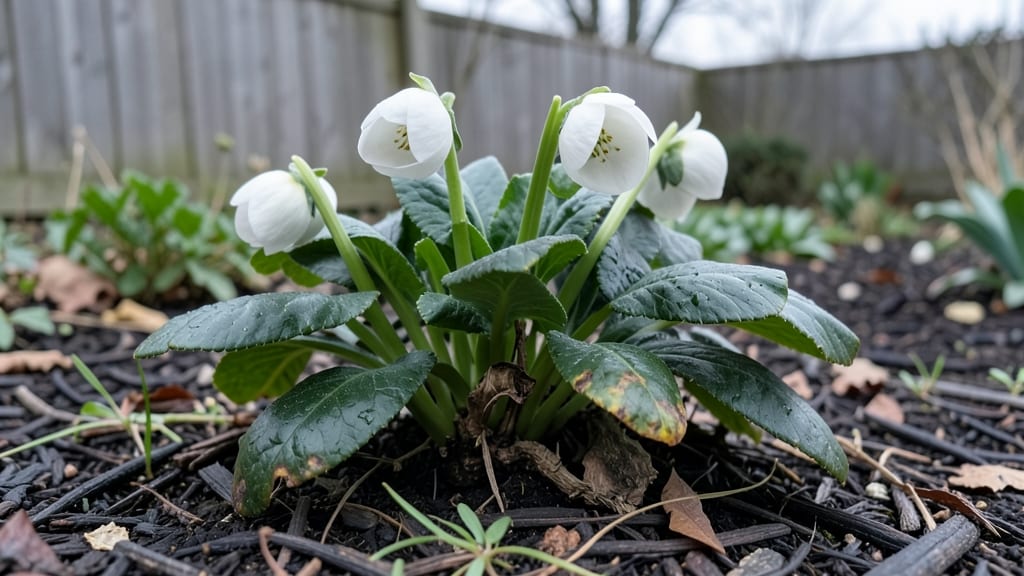
No-sun shrubs don’t just survive in dark corners—they thrive there, turning gloomy spots into lush, textured focal points. ✨ I’ve filled my own shady yard with these tough plants, and they’ve completely transformed how I use space.
The key is choosing varieties that love filtered light and moist soil, so you’re not stuck with sad, scraggly growth.
These shrubs handle neglect better than sun-lovers ever could. Most need moderate watering once established and tolerate almost any soil type, though they appreciate a little organic matter mixed in.
Think deep green leaves, delicate blooms, or even striking bark—all without needing six hours of sunlight. Perfect for hedges, borders, or that tricky spot under the big oak tree.
You’ll end up with a garden that feels alive even in the shadiest corners. The foliage stays vibrant year-round, and many produce flowers or berries that attract pollinators.
My favorite? A 6-foot-tall hydrangea that blooms every summer without a single wilted leaf. The secret is selecting the right plants for your space’s exact light conditions.
Works for any yard with partial shade, from city balconies to woodland gardens. Here’s how to pick the perfect shrubs for your darkest spots—no guesswork, just guaranteed greenery.
📚 In This Guide
- What you need
- Instructions
- Tips and common mistakes
- Wrapping up and next steps
What you need
- ● Low-light-tolerant shrubs: 3–5 plants (e.g., Dracaena marginata, Zamioculcas zamiifolia, Pothos, or Cast Iron Plant). Choose based on your space’s humidity and temperature.
- ● Well-draining potting mix: 2–3 bags (look for blends labeled for indoor plants or low-light conditions). Avoid heavy garden soil!
- ● Containers: 1–2 pots per shrub (ensure drainage holes!). Sizes: 6–12 inches in diameter, depending on plant size.
- ● Watering can or spray bottle: 1 (for gentle hydration—no soggy roots here!).
- ● Fertilizer: 1 bottle of balanced liquid fertilizer (e.g., 10-10-10) or slow-release granules for low-light plants.
- ○ Gloves (optional but handy!) – Protect your hands from soil and prickly leaves.
- ● Trowel or small shovel – For repotting or adjusting soil.
- ○ Moisture meter (optional) – Helps avoid over/under-watering in tricky low-light spots.
- ○ Grow lights (optional) – If your space is extremely dark, a LED grow bulb (12–15W) can give plants a gentle boost.
- ● Patience & observation skills! – Low-light plants grow slower, so check leaves for yellowing or drooping.
Step-by-Step guide to planting thriving shrubs in shady spots
Dark corners don't have to stay bare—these shade-loving shrubs bring life where sunlight fades.
🌱 Step 1: Choose the Right Shrubs for Your Space
Select shrubs that naturally thrive in low to no direct sunlight—think inkberry holly, Japanese pieris, or rhododendrons. These varieties handle shade beautifully while still offering lush foliage and seasonal interest. I always check the mature height (usually 3-6 feet) to ensure they fit the space without overcrowding later.
For deep shade (under 2 hours of sun), opt for dwarf varieties like dwarf fothergilla or boxwood 'Green Mountain'. These stay compact and won’t outgrow their welcome. Avoid sun-loving shrubs like hydrangeas or lilacs—they’ll struggle and may die back entirely.
🪴 Step 2: Prepare the Planting Site
Test your soil’s moisture—shade-loving shrubs hate soggy roots, but they also need consistent dampness. Amend heavy clay with 2-3 inches of compost (from your 5-gallon bag) to improve drainage while retaining moisture. I dig a hole twice as wide as the root ball but only as deep—planting too deep suffocates roots.
Loosen the roots gently if they’re circling in the pot. Place the shrub so the top of the root ball sits just below soil level—this prevents stem rot from sitting water. Backfill with native soil mixed with compost, tamping lightly to remove air pockets.
💧 Step 3: Water Deeply and Mulch Properly
Water thoroughly right after planting—aim for 1 gallon per plant to settle the soil and eliminate air gaps. Shady spots dry out slower, but roots still need moisture to establish. Let the soil dry slightly between waterings (check by sticking your finger 2 inches deep—it should feel slightly damp, not soggy).
Spread 3 inches of mulch (from your 1 cubic foot bag) around the base, keeping it 3 inches away from the stem to prevent rot. Use pine bark or shredded leaves—they break down slowly and improve soil over time. Mulch keeps roots cool in summer and protects from winter freeze-thaw cycles.
☀️ Step 4: Monitor Light and Soil Conditions
Even shade plants need some indirect light—if your spot gets no natural light at all, supplement with a small LED grow light (like a 6-inch clip-on bulb) for 4-6 hours daily during winter. You’ll notice leaves yellowing or stretching toward light if they’re not getting enough.
Fertilize lightly in early spring with a slow-release, acid-loving plant formula (like 10-10-10)—shade plants don’t need much. Overfeeding leads to weak growth and attracts pests. Water once a month after that unless your area has extreme heat or drought, then increase to every 2 weeks.
✂️ Step 5: Prune for Shape and Health
Prune late winter or early spring (before new growth starts) to shape your shrubs and remove dead branches. Use clean, sharp shears to make cuts at a 45-degree angle just above a leaf bud. Avoid heavy pruning—shade plants grow slower, and aggressive cuts stress them.
Watch for yellowing leaves or brown tips—these often signal overwatering or poor drainage. If you see white powdery spots, it’s likely powdery mildew, which thrives in humid shade. Treat with neem oil spray (mix 1 tbsp per gallon of water) and improve airflow by thinning crowded branches.
Tips & tricks for perfect no-sun shrubs
Here's what nobody tells you about bringing life to those shadowy corners—tricks that'll keep your shade-loving shrubs thriving for years.
Selection Wisdom: When choosing shrubs in Step 1, pay attention to the mature height listed on the tag—what fits now may outgrow your space later. I always measure the area first and opt for dwarf varieties when working with tight spaces. For deep shade spots, check the label for "part shade" tolerance—some shrubs labeled "shade-tolerant" still need at least 2 hours of indirect light.
Soil Prep Secret: In Step 2, if your soil feels compacted when testing moisture, add an extra 1 inch of compost to the hole's backfill mix. The goal is to create a well-draining yet moisture-retentive environment—think of it as creating a mini spa for your roots. For clay-heavy soil, mix in 1 part perlite to 3 parts compost for even better drainage.
Light Supplement Strategy: For Step 4's light supplement, position your 6-inch LED grow light about 12 inches from the plant's canopy. I've found that morning light exposure (4-6 hours) works best—it mimics natural sunlight patterns. You'll notice leaves perk up within 2-3 days of consistent light exposure, signaling they're getting enough energy to thrive.
Pruning Precision: When pruning in Step 5, focus on removing no more than 1/3 of the plant's foliage at a time. Shade plants grow slower, so aggressive pruning stresses them. Use your shears to make clean cuts just above a leaf bud—this encourages new growth in the right direction. For powdery mildew-prone varieties, prune in late morning when humidity is lower to prevent spore spread.
Pro Tips for No Sun Shrubs
- Here's what nobody tells you about bringing life to those shadowy corners—tricks that'll keep your shade-loving shrubs thriving for years.
- Selection Wisdom: When choosing shrubs in Step 1, pay attention to the mature height listed on the tag—what fits now may outgrow your space later.
- Soil Prep Secret: In Step 2, if your soil feels compacted when testing moisture, add an extra 1 inch of compost to the hole's backfill mix.
Frequently asked questions
Got questions about thriving shrubs in shady spots?
You’re not alone! Here are answers to the most common queries about no-sun shrubs—from care tips to troubleshooting—so you can keep your dark corners lush and green.
What are the best no-sun shrubs for deep shade?
Top picks include hostas (for texture), heucheras (for vibrant foliage), fatsia japonica (for bold leaves), and calatheas (for tropical flair). For evergreen options, try leucothoe or pieris japonica. These thrive with <4 hours of sunlight daily!
How long does it take for no-sun shrubs to establish?
Most shrubs take 1–2 years to fully establish, but some (like hostas) show noticeable growth in just a few months. Patience pays off—consistent moisture and mulch speed up root development. Avoid transplant shock by watering deeply after planting!
Do no-sun shrubs need special watering?
Yes! Shady areas retain moisture longer, but roots still need consistent hydration. Water deeply 1–2 times per week (more in extreme heat) and mulch to retain moisture. Overwatering can cause rot, so ensure pots/drainage areas are well-draining.
Can I grow no-sun shrubs in containers?
Containers are ideal for calatheas, fittonias, or ivy geraniums. Use well-draining soil mixed with perlite, and choose pots with drainage holes. Rotate containers occasionally for even growth—shade-loving plants still crave a little indirect light!
What pests target no-sun shrubs?
Common culprits include slugs (love hostas!), spider mites (in dry shade), and aphids. Prevent issues with neem oil or diatomaceous earth. For slugs, set up beer traps or copper barriers—your shrubs will thank you!
Wrapping up and next steps
Transforming those dim, forgotten corners into vibrant green spaces is easier than you think! With the right no-sun shrubs, you can bring life to low-light areas without breaking a sweat. These hardy plants thrive where others falter, proving that even the shadiest spots deserve a touch of nature’s charm.
Ready to take the next step? Start small—pick one or two shrubs that fit your space and watch your garden flourish! 🌿 Whether you’re a seasoned gardener or a beginner, your dark corners will soon be the envy of the neighborhood.