
Shrubs
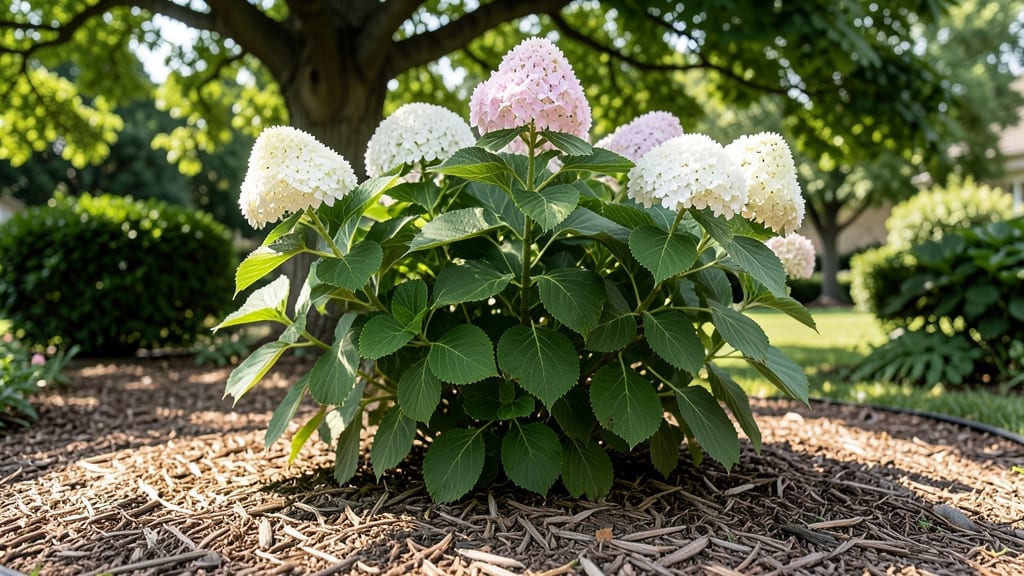
Shade-loving shrubs for Zone 8 thrive in low-light conditions while resisting drought, featuring options like hydrangeas, azaleas, and inkberry holly, each offering seasonal blooms and lush foliage for year-round appeal.
Zone 8's partial shade conditions can actually be an advantage for the right shrubs. 💫 These plants develop thicker, waxy leaves to minimize water loss, while deep root systems tap into moisture reserves.
Evergreens like inkberry holly keep their leaves year-round, while deciduous types like hydrangeas drop foliage in winter but regrow quickly in spring. The key is choosing varieties bred for moisture efficiency—many of these thrive with just 1 inch of water per week once established, making them perfect for water-conscious gardeners.
For best results, plant in well-draining soil with a 2-3 inch layer of mulch to retain moisture. I've found that spacing plants 3-5 feet apart gives them room to spread without competing for sunlight.
Prune in late winter or early spring to encourage dense growth, and avoid heavy fertilizers which can stress drought-tolerant varieties.
💡 In This Article
- How Shade and Drought Tolerance Work in Zone 8 Shrubs
- Planting and Care Guide for Low-Maintenance Zone 8 Shrubs
How shade and drought tolerance work in zone 8 shrubs
Shade-loving shrubs in Zone 8 have evolved remarkable adaptations to thrive where sunlight is scarce. Their leaves often develop a thicker cuticle layer—a waxy coating that reduces water evaporation by up to 50% compared to sun-loving plants.
For example, inkberry holly's glossy, leathery leaves reflect sunlight while minimizing moisture loss, while hydrangeas grow larger, lobed leaves that maximize light capture in dim conditions. These adaptations let them conserve water while still growing lush foliage.
The root systems of these shrubs play a crucial role too. Deep, fibrous roots like those in azaleas can extend 3-5 feet underground, accessing moisture from deeper soil layers where evaporation is slower.
Evergreens like boxwoods develop extensive lateral roots that spread horizontally, creating a wide network to gather scattered water. This contrasts with deciduous types like hydrangeas, which prioritize vertical root growth to store nutrients for rapid spring regrowth after their winter dormancy.
Seasonal resilience varies dramatically between types. Evergreens like inkberry holly maintain photosynthesis year-round, though at reduced rates in winter, while deciduous shrubs like serviceberry drop leaves to conserve energy during cold months.
What's fascinating is how some shrubs, like oakleaf hydrangeas, combine both strategies—they shed leaves in winter but keep a few evergreen-like buds that sprout early, giving them a head start on growth when spring arrives.
Drought tolerance often comes down to how efficiently these plants manage moisture. For instance, wax myrtle shrubs have tiny, scale-like leaves that create a microclimate trapping humidity near the plant. Meanwhile, rhododendrons develop a specialized root fungus called mycorrhiza that helps them absorb water and nutrients more efficiently.
These mechanisms explain why many shade shrubs can survive on 1 inch of water per week once established, making them ideal for water-wise gardens.
Another key factor is their ability to adjust stomatal openings—the tiny pores on leaves that control gas exchange. During dry spells, many shade shrubs like pieris (firewheel) close their stomata during the day and open them at night, a process called "nocturnal transpiration."
This reduces water loss while still allowing carbon dioxide intake. It's a clever survival trick that lets them thrive in partial shade where evaporation rates are naturally lower.
Consider this comparison: A sun-loving shrub like butterfly bush might wilt dramatically with 2 weeks without water, while a shade-adapted shrub like Japanese pieris can go 4-6 weeks without supplemental water once established. This resilience makes them perfect for busy gardeners or areas where water conservation is a priority.