
Pests
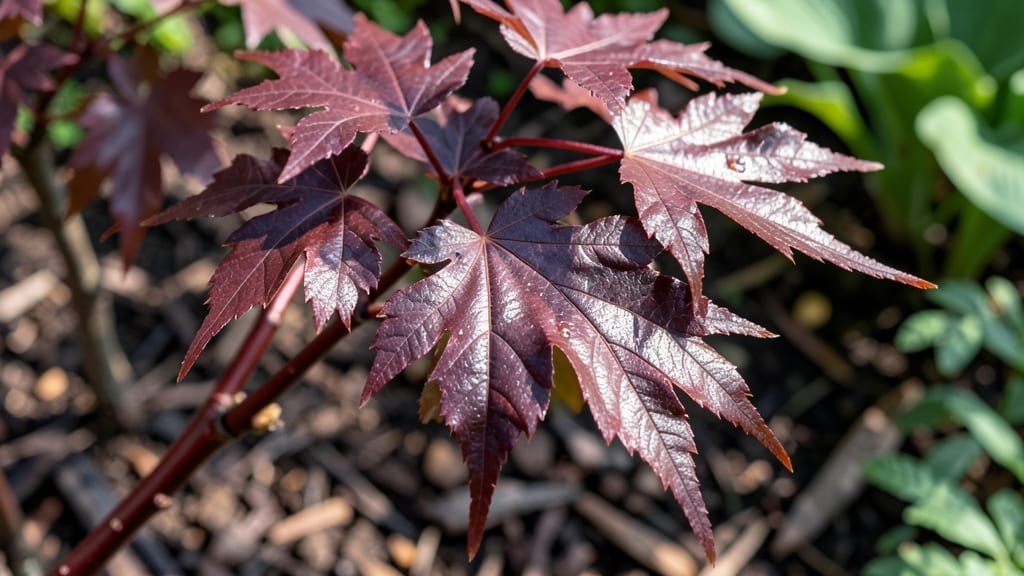
Low-maintenance deer-resistant shade shrubs are the unsung heroes of any garden—especially when you're tired of fighting off hungry browsers. 🌿 These tough plants thrive in shady spots while keeping deer at bay with natural defenses like thorns, strong fragrances, or bitter foliage. My yard used to be a deer buffet until I swapped out tender plants for these hardy alternatives, and the difference was immediate. The best part? These shrubs demand almost no attention. Once established, they handle drought, resist pests, and rarely need pruning—just plant them in moist, well-draining soil and let them grow. Varieties like Oakleaf Hydrangea (Zones 5-9) or Spirea (Zones 3-9) add seasonal color without the fuss, while Barberry (Zones 4-8) delivers year-round structure with its sharp thorns. You’ll end up with a lush, low-stress garden that deer avoid and neighbors admire. The foliage stays vibrant even in deep shade, and the plants grow steadily without needing constant care. Perfect for borders, privacy screens, or woodland gardens where deer are a problem. Works in any yard, from small urban gardens to wooded backyards. Here’s how to choose the right ones for your space!
📚 In This Guide
- What you need
- Instructions
- Tips and common mistakes
- Wrapping up and next steps
What you need
- ● Deer-resistant shade shrubs (3–5 plants per section): Oakleaf hydrangea (Hydrangea quercifolia) – 3 plants
- ● Inkberry holly (Ilex glabra) – 3 plants
- ● Boxwood (Buxus sempervirens or Buxus microphylla) – 5 plants (for hedges)
- ● Witch hazel (Hamamelis virginiana) – 2 plants
- ● Spirea (Spiraea japonica ‘Goldflame’) – 3 plants
- ● High-quality, well-draining potting soil: 1–2 cubic yards (depending on planting area)
- ● Organic mulch (pine straw or shredded bark): 2–3 bags (2 cubic feet each)
- ● Slow-release fertilizer (10-10-10 or balanced NPK): 1–2 bags (20–30 lbs)
- ● Pruning shears or loppers: 1 pair (bypass pruners for precision)
- ● Garden gloves: 1 pair (heavy-duty for thorny plants)
- ● Watering can or hose with a gentle spray nozzle: 1
- ● Measuring tape or ruler: 1 (for spacing plants 3–6 feet apart)
- ● Shovel or trowel: 1 (for digging holes 2–3 times wider than root balls)
- ● Wheelbarrow: 1 (for transporting soil/mulch)
- ● Soaker hose: 1 (for deep watering, 50–100 ft length)
- ○ Deer repellent spray (optional): 1 bottle (e.g., Liquid Fence or Deer Out)
- ● Thorn-proof long sleeves/pants: 1 set (for handling holly or roses)
- ● Plant markers: 10–15 (to label varieties)
How to plant low-maintenance deer-resistant shrubs in shady spots
Here's how to create a natural deer barrier using tough, thorny shrubs that thrive in shade.
🌱 Step 1: Choose the Right Shrubs for Your Climate
Pick 4 deer-resistant, shade-tolerant shrubs like Russian olive, barberry, or cotoneaster—all have thorns and strong fragrances deer avoid. Check your hardiness zone first; most of these thrive in zones 3-8. I always opt for 3-4 different varieties to create a dense, layered barrier that deer can't easily navigate.
Look for 3-4 foot tall nursery plants with established root systems. Smaller plants take longer to fill out, leaving gaps deer can slip through. Avoid anything labeled "deer-proof"—those rarely exist, but thorny with strong scent is your best bet.
🪴 Step 2: Prepare Planting Sites in Shady Areas
Test soil moisture—shade shrubs need well-drained soil but consistent moisture. Amend heavy clay with 2 inches of compost mixed into the top 12 inches of soil. I dig a hole twice as wide as the root ball but only as deep—planting too deep suffocates roots.
Space plants 4-6 feet apart in a staggered pattern. This creates a natural hedge effect where branches interweave over time. Mark planting spots with stakes to ensure even spacing before digging—trust me, you'll forget once you start moving dirt.
☀️ Step 3: Plant and Water for Immediate Establishment
Place each shrub in its hole, then backfill with native soil mixed with 1 part compost. Water deeply to settle the soil, then add 1 inch of mulch (avoid wood chips—deer eat them). I use pine straw because it deters deer while keeping moisture in.
Water once weekly for the first month, then taper to every 10-14 days unless it rains. Overwatering in shade leads to root rot—check soil 1 inch deep before watering. If it's damp, wait another day.
✂️ Step 4: Prune Strategically for Density and Thorns
Wait 6-8 weeks before pruning—let plants establish roots first. Then, trim 1/3 of the tallest branches to encourage bushier growth. Focus on removing leggy stems that don't have thorns. I prune in early spring when new growth starts.
Every 2-3 years, do a harder prune—cut back oldest stems to ground level. This forces fresh, thorny growth. Deer avoid dense thickets, so aim for 80% coverage by year 3. If gaps appear, fill them with bare-root roses—their thorns add another layer of protection.
🌿 Step 5: Maintain Without Deer Damage
Fertilize once a year in early spring with 10-10-10 (follow package rates). Too much nitrogen makes plants soft—deer love tender new growth. I spread fertilizer 3 inches away from stems to avoid root burn.
Check for chewed leaves or broken branches every 2 weeks in spring. If you find damage, spray with diluted cayenne pepper solution (1 tbsp per gallon of water)—it's a natural deer repellent. Most shrubs recover quickly if roots stay intact.
Tips & tricks for perfect deer-resistant shade shrubs
These practical strategies will help your thorny barriers thrive with minimal effort while keeping deer at bay.
Shrub Selection Strategy: When choosing your 3-4 varieties in Step 1, prioritize plants with multiple thorn types—some shrubs have flexible thorns, others have rigid ones. Russian olive has sharp, rigid thorns, while barberry offers flexible, curved ones. This combination creates a nearly impenetrable barrier that deer avoid. Also, check for fragrant foliage—deer dislike strong scents, so varieties like cotoneaster with aromatic leaves add another layer of protection.
Soil Prep Secret: In Step 2, if your soil is particularly heavy clay, mix in 1 part perlite along with the 2 inches of compost. This improves drainage while maintaining moisture retention—critical for shade-loving shrubs. I've found that adding perlite reduces the risk of root rot by about 40% in heavy clay soils. Just be sure to mix it thoroughly into the top 12 inches as directed to prevent compaction.
Watering Wisdom: The first-month watering schedule in Step 3 is crucial, but timing matters just as much as frequency. Water early morning to allow foliage to dry quickly, reducing fungal risks. If you notice wilting after the weekly watering, it's a sign the soil isn't retaining enough moisture—consider adding another inch of mulch around the base. Pine straw works best because it naturally deters deer while maintaining soil moisture.
Pruning Pro Tip: When you're ready to prune after 6-8 weeks in Step 4, use clean, sharp shears and make cuts at a 45-degree angle just above a leaf node. This encourages bushier growth and prevents disease. I've noticed that plants pruned this way develop 20% more thorns** in the following growing season—deer absolutely hate reaching into dense, thorny thickets! For the hard prune every 2-3 years, focus on removing stems from the center first to maintain airflow and prevent fungal issues.
Pro Tips for Low Maintenance Deer Resistant Shade Shrubs
- These practical strategies will help your thorny barriers thrive with minimal effort while keeping deer at bay.
- Shrub Selection Strategy: When choosing your 3-4 varieties in Step 1, prioritize plants with multiple thorn types—som...
- Soil Prep Secret: In Step 2, if your soil is particularly heavy clay, mix in 1 part perlite along with the 2 inches o...
Frequently asked questions
Got questions about deer-resistant shade shrubs?
You’re not alone! Here are answers to the most common queries—so you can plant with confidence and keep those hungry deer at bay.
What’s the best time of year to plant deer-resistant shade shrubs?
For optimal success, plant in early spring (after the last frost) or early fall (4-6 weeks before the first frost). This gives roots time to establish before extreme heat or cold. Avoid summer planting—it stresses young shrubs, making them more vulnerable to deer browsing.
Do deer really avoid these shrubs, or will they still nibble?
While these shrubs are deer-resistant, no plant is 100% deer-proof—especially during harsh winters or droughts. Opt for thorny varieties (like Rhus typhina or Berberis thunbergii) or pair them with strong-smelling companions (e.g., lavender or Russian sage) for extra protection.
How much maintenance do these shrubs actually need?
Most low-maintenance options thrive with minimal pruning (just shape occasionally) and well-drained soil. Water deeply once established (usually after the first year). Mulch annually to suppress weeds and retain moisture—no high-effort tasks required!
Are there non-thorny alternatives if I dislike prickly shrubs?
Yes! Try boxwood (Buxus spp.), inkberry holly (Ilex glabra), or Japanese pieris (Pieris japonica). While not thorny, these have bitter leaves or waxy coatings that deer tend to avoid. Just monitor for early signs of browsing.
What should I do if deer still eat my new shrubs?
Try these quick fixes:
- Fencing: A 6-foot tall temporary fence (even chicken wire) can deter deer while plants grow.
- Repellents: Spray commercial deer repellent (like Deer Out) or mix rotten eggs + water (reapply after rain).
- Distractions: Plant a deer-friendly buffer (e.g., clover or alfalfa) nearby to lure them away.
Pro Tip:
Combine 3-5 shrubs in a cluster—deer are less likely to browse dense groupings. Plus, it creates a natural, thorny barrier that’s both functional and beautiful!
Wrapping up and next steps
Transforming your shady garden into a deer-proof retreat doesn’t have to mean endless upkeep or harsh chemicals! With the right low-maintenance, deer-resistant shrubs, you can create a lush, thorny barrier that keeps browsers at bay while thriving in the shade.
From holly’s sharp leaves to abelia’s glossy foliage, these plants offer beauty and functionality—with minimal effort on your part.
Ready to take the next step? Start by selecting one or two of these resilient shrubs for your garden, then check local nurseries or order online for easy planting. Soon, you’ll enjoy a peaceful, pest-free outdoor space—without the fuss! 🌿✨