
Shrubs
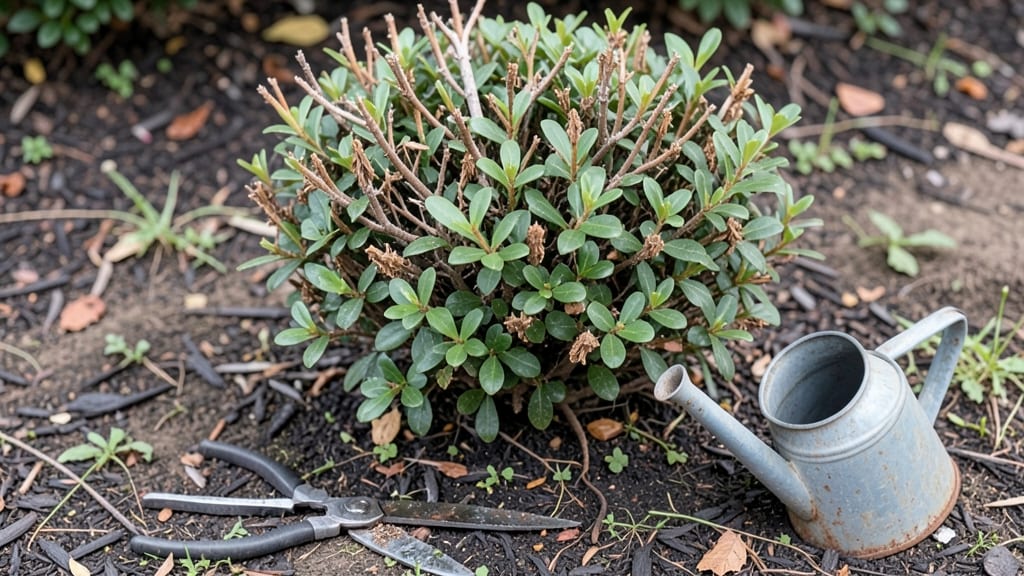
Learn how to revive a dying boxwood shrub before it’s too late—these tips have saved my struggling plants time and again, and the secret lies in quick, targeted care. ✨ before the roots give up completely.
The first step isn't always what you'd expect—sometimes it's about stopping what you're doing, not doing more.
Overwatering, compacted soil, and pests are the usual culprits behind those sad, yellowing leaves and sparse growth. I learned this the hard way when my prized boxwood hedge turned into a soggy mess after a week of relentless rain.
The good news? Most boxwoods are tougher than they look, and with the right care, you can see new green growth within just a few weeks.
What you'll end up with is a shrub that looks like it just came out of the nursery—thick, vibrant, and full of life. We're talking deep green foliage that stays lush even through summer heat, and branches that hold their shape without needing constant pruning.
The secret lies in understanding what your boxwoods truly need, not just what you think they should get.
This method works for both in-ground shrubs and container-grown boxwoods, so whether you're fixing up a foundation planting or rescuing a patio centerpiece, the same principles apply. Let's get those shrubs back in fighting form before another season passes them by.
Root Causes Behind Declining Boxwoods
Boxwood shrubs (Buxus spp.) are hardy, low-maintenance plants—but even the toughest can succumb to stress when conditions spiral out of balance. Understanding the why behind their decline is the first step to revival.
Below, we break down the most common culprits, backed by science and actionable insights to help you diagnose the issue accurately.
Boxwoods thrive in USDA Zones 5–9, but when temperatures veer too far from their comfort zone, cellular damage occurs. Here’s how it happens:
- Cold Shock (Freeze Damage): - Mechanism: When temperatures drop below 10°F (-12°C), ice crystals form in plant cells, rupturing membranes and blocking water flow.
This triggers oxidative stress, where free radicals damage DNA and proteins. - Symptoms: Brown, crispy edges on leaves (starting from the tips), blackened stems, or a "frost-burned" appearance. - Why It’s Worse Now: Climate shifts (e.g., late-winter thaws followed by hard freezes) confuse boxwoods’ dormancy cycles, making them vulnerable to secondary fungal infections like Volutella blight.
- Heat & Drought Stress: - Mechanism: Boxwoods prefer moderate humidity (40–60%) and consistent moisture. In drought, roots struggle to absorb water, leading to wilting, leaf scorch (brown patches), and premature leaf drop.
Prolonged stress weakens the plant’s cuticle, increasing water loss. - Symptoms: Leaves curl upward (a survival tactic to reduce water loss), then turn brown and papery.
Roots may pull away from soil when gently tugged. - Pro Tip: 🌡️ Mulch deeply (3–4 inches) with shredded bark or pine needles to insulate roots from temperature swings. Avoid plastic mulch—it traps heat and suffocates roots.
Boxwoods are not drought-tolerant—they need well-draining, slightly acidic soil (pH 6.0–7.0). When soil conditions go awry, roots suffocate or starve, triggering decline.
- Overwatering & Poor Drainage: - Mechanism: Boxwood roots rot in waterlogged soil due to lack of oxygen (a process called hypoxia). Anaerobic bacteria release toxins like ethanol and methane, poisoning roots.
Over time, this leads to root rot (caused by fungi like Phytophthora). - Symptoms: Yellowing leaves, mushy stems at the base, and a sour, rotten smell when soil is disturbed. - Fix It: Test soil drainage—dig a hole, fill it with water, and time how long it takes to drain.
If it takes >4 hours, amend soil with sand or perlite and raise beds slightly.
- Underwatering & Compacted Soil: - Mechanism: Boxwoods have shallow, fibrous roots that need 1–1.5 inches of water per week (more in heat).
Compacted clay soil prevents roots from spreading, while drought forces them to metabolize stored nutrients prematurely, leading to nutrient deficiencies. - Symptoms: Small, stunted leaves; yellowing between leaf veins (chlorosis); and branches dying back from the bottom up. - Actionable Tip: ✨ Aerate soil with a garden fork in spring, and water deeply 2–3 times per week during dry spells.
Use a soaker hose to deliver moisture slowly.
Boxwoods are magnets for pests and pathogens, especially when stressed. These invaders exploit weak defenses, accelerating decline.
- Volutella Blight (Boxwood Blight): - Mechanism: Caused by the fungus Volutella buxi, this disease thrives in wet, humid conditions (especially after winter).
Spores infect through wounded leaves or stems, clogging vascular tissue and blocking water/nutrient flow. - Symptoms: Dark brown, sunken lesions on leaves/stems; leaves turn bronze or black and fall prematurely.
Infected plants may ooze black, tar-like sap. - Prevention: 🔥 Remove and destroy infected debris immediately (do not compost!). Apply copper fungicide in early spring before new growth.
- Boxwood Mite (Eriophyid Mite): - Mechanism: These microscopic pests (visible only under magnification) feed on leaf cell sap, causing stunted, distorted growth (a condition called boxwood gall).
Severe infestations lead to leaf drop and dieback. - Symptoms: Rolled, cupped, or thickened leaves; bronze or red discoloration; and sticky honeydew (a sign of secondary sooty mold). - Treatment: Spray with horticultural oil in early spring (before mites become active) or use neem oil as a preventive.
Even "minor" oversights can push boxwoods over the edge. Here’s how human habits backfire:
- Improper Pruning: - Mechanism: Boxwoods bleed sap when pruned in late winter/early spring (before new growth).
Heavy cuts expose vulnerable tissue to pathogens and disrupt the plant’s energy reserves. - Symptoms: Blackened cut edges, slow regrowth, or dieback from pruned areas. - Rule of Thumb: 🎯 Prune in late spring/early summer (after flowering).
Use clean, sharp shears and sterilize with rubbing alcohol between cuts to prevent disease spread.
- Chemical Burn (Over-Fertilizing or Herbicide Drift): - Mechanism: Boxwoods are sensitive to high salt levels (from fertilizers or deicing salt runoff).
Herbicides like 2,4-D (common in weed killers) can drift and cause leaf distortion or death. - Symptoms: Yellowing leaves with crispy edges; stunted growth; or unexplained wilting. - Solution: Flush soil with water if salt buildup is suspected.
Use organic, slow-release fertilizer (like compost or worm castings) and avoid broadleaf herbicides near boxwoods.
Boxwoods are light feeders, but imbalances in soil nutrients can stall recovery.
- Iron Chlorosis (Yellowing Leaves): - Cause: High pH (>7.0) or calcium excess locks out iron, a critical nutrient for chlorophyll production. Common in alkaline or compacted soils. - Fix: 💡 Lower pH with sulfur (apply in fall) or chelated iron supplements.
Avoid lime if soil pH is already high.
- Nitrogen Deficiency:
- Symptoms: Pale green or yellow leaves (older leaves first); stunted growth; and weak stems.
- Solution: Apply a balanced, organic fertilizer (e.g., 10-10-10) in early spring, but avoid high-nitrogen fast-release fertilizers—they burn roots.
Use this table to narrow down the likely cause of your boxwood’s decline:
| Symptom | Likely Cause | Quick Test |
|---|---|---|
| Brown, crispy leaf edges | Cold damage or drought | Check soil moisture; inspect for frost cracks |
| Blackened stems/lesions | Volutella blight or root rot | Scrape stem—black streaks = fungus |
| Curled, bronze leaves | Boxwood mite infestation | Magnify leaves (use a hand lens) |
| Yellow between veins | Iron deficiency or compacted soil | Soil test kit (check pH) |
| Mushy base, foul smell | Root rot (overwatering) | Gently pull plant—roots should be firm |
Fix Your Boxwood’s Struggles Now
Reviving a dying boxwood starts with pinpointing the root cause and taking swift, targeted action. Below, we map the most common issues to simple, effective fixes—plus pro tips to keep your shrub thriving long-term. Let’s turn that sad, sparse boxwood into a lush, vibrant centerpiece!
Signs: Yellowing leaves, mushy stems, or roots that smell foul when dug up.
How to Fix It:
- 🔥 Pause Watering Immediately Let the soil dry out completely before watering again. Stick your finger 2–3 inches into the soil—if it’s damp, wait.
- 🍳 Improve Drainage Fast
- For pots: Add a layer of gravel or perlite to the bottom before repotting. Ensure drainage holes are clear.
- For ground-planted shrubs: Dig a shallow trench around the base to redirect excess water away from the roots.
- 👨🍳 Prune Damaged Areas Snip off any blackened or mushy stems with sterilized pruners (clean with rubbing alcohol). Healthy tissue should be firm and green.
- ⏰ Adjust Your Watering Routine Boxwoods prefer 1–1.5 inches of water per week, including rainfall. Water deeply but infrequently—early morning is best to reduce fungal risks.
💡 Prevention Tip: Plant boxwoods in well-draining soil (amend clay soil with compost or sand). Avoid soggy spots like low-lying areas or near downspouts.
Signs: Crispy, brown leaf edges, wilting, or dusty-looking foliage.
How to Fix It:
- 🥘 Water Deeply & Slowly Use a soaker hose or drip irrigation to deliver water directly to the roots. Aim for slow absorption to prevent runoff.
- 🌡️ Provide Afternoon Shade If your boxwood is in a scorching spot, temporarily shade it with a lightweight fabric (like shade cloth) during peak sun (11 AM–3 PM).
- 🎯 Mulch Like a Pro Spread 2–3 inches of organic mulch (pine straw, shredded bark) around the base, but keep it 2–3 inches away from the trunk to avoid rot.
- 💪 Boost Humidity (For Potted Plants) Place the pot on a tray of pebbles and water (evaporation increases humidity). Mist leaves early in the day to avoid fungal issues.
💡 Prevention Tip: Group boxwoods with other plants to create a microclimate that retains moisture. Avoid pruning during heatwaves—wait for cooler weather.
Signs: Dark, tar-like spots on leaves, wilting despite watering, or a white powdery coating.
How to Fix It:
- ✨ Prune & Dispose Properly
- Cut out all infected branches (including 6 inches below the spot).
- Bag and trash (don’t compost!) to prevent spread.
- 🔪 Sterilize Your Tools Wipe pruners with 70% isopropyl alcohol or a 10% bleach solution between cuts.
- 🌿 Apply Fungicide Use a copper-based fungicide (like Cupric Hydroxide) or neem oil spray (1 tbsp neem oil + 1 quart water + a drop of dish soap). Spray every 7–10 days until new growth appears.
- 🌡️ Improve Airflow Thin out overcrowded branches to reduce humidity near the foliage. Space plants 3–4 feet apart for better circulation.
💡 Prevention Tip:
- Water at the base (avoid overhead spraying).
- Avoid wetting leaves when irrigating.
- Rotate fungicides if reinfection occurs.
Signs: Pale yellow leaves (iron/chlorosis), slow growth, or sparse foliage.
How to Fix It:
- 📊 Soil Test First Grab a DIY soil test kit (or send a sample to a local extension office) to check pH and nutrient levels. Boxwoods prefer slightly acidic soil (pH 5.0–7.0).
- 💪 Fertilize Right
- For acidic soil: Apply iron chelate or sulfur to lower pH.
- For nutrient boost: Use a slow-release, balanced fertilizer (10-10-10 or 20-20-20) in early spring and fall. Avoid high-nitrogen fertilizers—they burn roots.
- 🥗 Organic Options Mix compost or worm castings into the top 6 inches of soil. Fish emulsion (diluted to 1 tbsp/gallon) can also help.
💡 Prevention Tip:
- Mulch annually with acid-loving compost (like pine needles).
- Avoid over-fertilizing—boxwoods are low-maintenance once established!
Signs: Webbing, tiny brown bugs, or serpentine trails in leaves.
How to Fix It:
- 🔪 Blast Off Pests
- For mites: Spray with neem oil or insecticidal soap (repeat every 5–7 days).
- For leafminers: Remove heavily infested leaves and treat with Bacillus thuringiensis (Bt).
- 🌿 Encourage Natural Predators Plant nearby companions like dill, fennel, or yarrow to attract ladybugs and lacewings, which devour mites.
- 🎯 Hose Them Off Use a strong stream of water to dislodge mites from leaves (do this early in the day so foliage dries quickly).
💡 Prevention Tip:
- Inspect new plants before bringing them home.
- Avoid over-fertilizing with nitrogen—it attracts soft-bodied pests.
🌟 Quick Revival Checklist: ✅ Stop watering if soggy → Let soil dry. ✅ Prune dead/diseased parts → Sterilize tools! ✅ Test soil & amend → pH 5.0–7.0 is ideal. ✅ Shade + mulch → Protect from heat stress. ✅ Spray fungicide/pesticide → If needed, rotate treatments.
With these fixes, your boxwood should show new growth within 4–6 weeks. Stay consistent, and soon you’ll have a bushy, vibrant shrub that’s the envy of the neighborhood! 🌿✨
Frequently asked questions
How quickly can I expect to see improvement after reviving my boxwood?
With proper care, you should notice new growth within 4-6 weeks. The first signs are usually fresh, bright green leaves at the tips of branches. For severely damaged shrubs, it may take up to 3 months to see full recovery, but consistent watering, pruning, and soil improvements will accelerate results.
Can I use regular household vinegar to treat fungal issues like boxwood blight?
No, regular vinegar (acetic acid) is too harsh and will damage your boxwood's leaves. Instead, use a diluted solution of 1 part white vinegar to 10 parts water as a natural fungicide spray, but avoid spraying directly on foliage. For fungal diseases, copper fungicide or neem oil are safer and more effective options.
What's the best time of year to prune a struggling boxwood?
Prune in late spring or early summer (after flowering) to encourage new growth. Avoid pruning in late winter or early spring when the plant is still dormant. If your boxwood is severely damaged, you can do a light pruning in early fall to remove dead branches, but avoid heavy pruning during this time.
Will my boxwood recover if it's completely bare with no leaves?
Even completely leafless boxwoods can often recover if the roots are still healthy. Focus on improving drainage, providing consistent moisture, and fertilizing with a balanced, organic fertilizer. New growth should emerge from the stems within 2-3 months. If the stems are mushy or blackened, the plant may not recover.
How do I know if my boxwood has root rot versus just being underwatered?
Root rot causes mushy, blackened roots that smell foul when disturbed, while underwatering results in dry, brittle roots that pull away easily from the soil. Gently dig around the base—healthy roots should be firm and light brown. If you suspect root rot, stop watering immediately and improve drainage.