
Shrubs
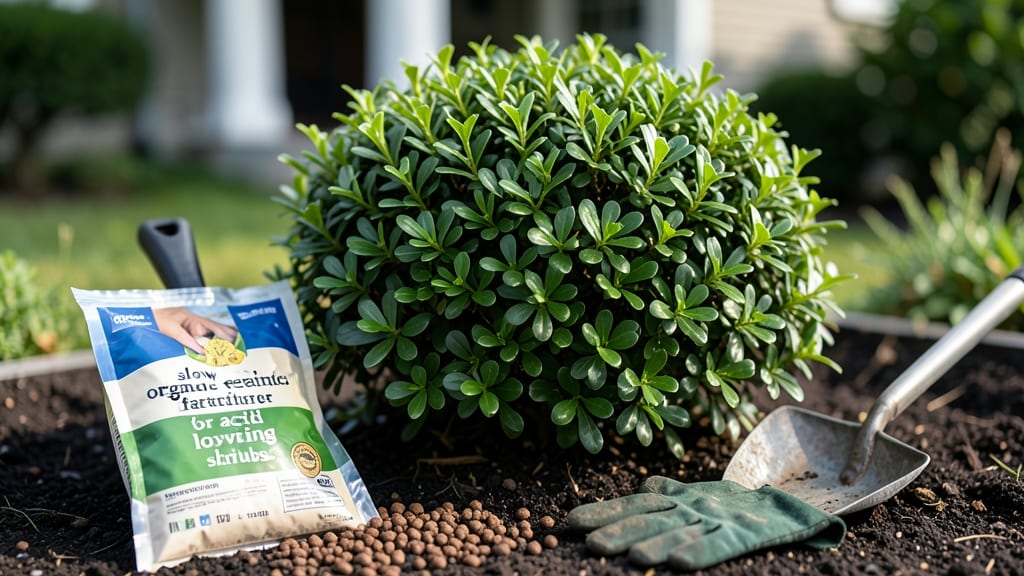
The right fertilizer for boxwood shrubs is the secret to keeping them dense, disease-resistant, and thriving for years.
Picture this: your perfectly manicured boxwood hedge starts to thin out, leaves yellow, or worse—fall prey to blight. The problem? Often, it’s not the plant itself, but the fertilizer (or lack of it) you’ve been using.
Boxwoods are finicky about their food, and getting the balance wrong can turn your landscape staple into a sad, leggy mess.
In this guide, I’ll walk you through the best fertilizer types—whether you prefer organic compost or synthetic blends—and the exact timing for feeding them in spring and fall.
You’ll also learn how to avoid over-fertilizing, which can burn roots and invite pests, plus simple soil tests to keep your boxwoods 🌿 in peak condition.
By the end, you’ll know not just what to feed your boxwoods, but when and how much—so you can enjoy lush, vibrant shrubs that stay healthy year after year without the guesswork.
Optimal NPK ratios for boxwood shrubs: what the numbers mean
Understanding NPK ratios is the first step to feeding your boxwoods correctly. These three numbers—nitrogen (N), phosphorus (P), and potassium (K)
Boxwoods thrive with moderate nitrogen for leaf density, phosphorus for root development, and potassium for disease resistance. A 10-10-10 ratio is a safe starting point, but established shrubs may benefit from slightly higher potassium to bolster their defenses against pests like boxwood blight. Newly planted boxwoods, however, need more phosphorus to establish strong roots. A 5-10-5 ratio works well for the first year, while mature shrubs can handle a 12-4-8 blend to promote dense foliage without excessive growth. Too much nitrogen leads to rapid but weak growth, making boxwoods more susceptible to pests. I’ve seen over-fertilized boxwoods develop yellowing leaves and sparse foliage—clear signs of imbalance. Always follow the label instructions and start with half the recommended dose for new plants. For disease resistance, prioritize potassium-rich fertilizers in late summer. Potassium strengthens cell walls, helping boxwoods fend off fungal infections like volutella blight. A 3-1-2 ratio in late summer can work wonders for established shrubs in high-stress environments. Seasonal adjustments are critical. In spring, focus on nitrogen to kickstart growth, but shift to potassium by mid-summer to harden off foliage before winter. Avoid fertilizing in fall, as new growth won’t have time to mature before cold weather. Test your soil every 2-3 years to monitor nutrient levels. Boxwoods prefer slightly acidic soil (pH 6.0–7.0). If your soil is alkaline, amend it with sulfur or peat moss before applying fertilizer to improve nutrient uptake. Slow-release fertilizers are my top recommendation for boxwoods. They provide steady nutrients without the risk of burning roots from sudden spikes. Look for coated urea or organic options like bone meal for phosphorus and greensand for potassium. Remember, boxwoods are low-maintenance shrubs—overdoing fertilizer is a common mistake. When in doubt, less is more. A well-fed boxwood will reward you with dense, glossy foliage and years of trouble-free growth.
NPK Ratio
Best For
Growth Impact
Season
5-10-5
Newly planted boxwoods
Root establishment
Spring
10-10-10
Established shrubs
Balanced growth
Spring/Fall
12-4-8
Mature, dense foliage
Leaf thickness, disease resistance
Mid-summer
Organic (e.g., compost tea)
All stages
Slow-release nutrients, soil health
Year-round
Organic vs. synthetic fertilizers for boxwood: pros, cons, and best uses
When it comes to feeding your boxwood shrubs, the choice between organic fertilizers and synthetic fertilizers can make a big difference in their health and appearance. Organic options like compost and fish emulsion feed the soil slowly, improving its structure over time, while synthetic fertilizers deliver quick, measurable results.
Each has its place in a well-balanced care routine.
I’ve tested both in my own garden, and while synthetic fertilizers might show faster growth, organic options often lead to healthier roots and better disease resistance—critical for boxwoods prone to issues like box blight.
Let’s break down the key differences so you can decide what’s best for your shrubs.
Organic vs. Synthetic Fertilizers for Boxwood
Organic Fertilizers
- Pros: Improves soil health, slow-release nutrients, eco-friendly
- Cons: Slower results, requires more frequent applications
Synthetic Fertilizers
- Pros: Fast, predictable growth, precise NPK ratios
- Cons: Can burn roots, harms soil structure over time
For newly planted boxwoods, I recommend starting with organic matter like compost or aged manure. This helps establish a healthy microbiome in the soil, which is essential for young roots.
Synthetic fertilizers can be used later for a quick growth boost, but always follow the NPK ratio guidelines (like 10-10-10) to avoid overloading your shrubs.
One of my favorite organic options is fish emulsion, which provides a balanced mix of nutrients and improves soil aeration. I apply it every 6-8 weeks during the growing season, mixing it into the top 2 inches of soil.
For synthetic fertilizers, I prefer slow-release granules to minimize the risk of root burn while still delivering consistent results.
If you’re concerned about long-term soil health, organic fertilizers are the clear winner. They not only feed your boxwoods but also enhance the soil’s ability to retain moisture and support beneficial microbes.
However, if you need a quick fix—like reviving a shrub that’s lost density—synthetic fertilizers can provide that immediate green-up effect.
Remember, the best approach often combines both. Use organic fertilizers as your primary feeding method and reserve synthetic options for targeted corrections. Always water thoroughly after applying fertilizer to help nutrients penetrate the soil and prevent salt buildup.