
Pruning
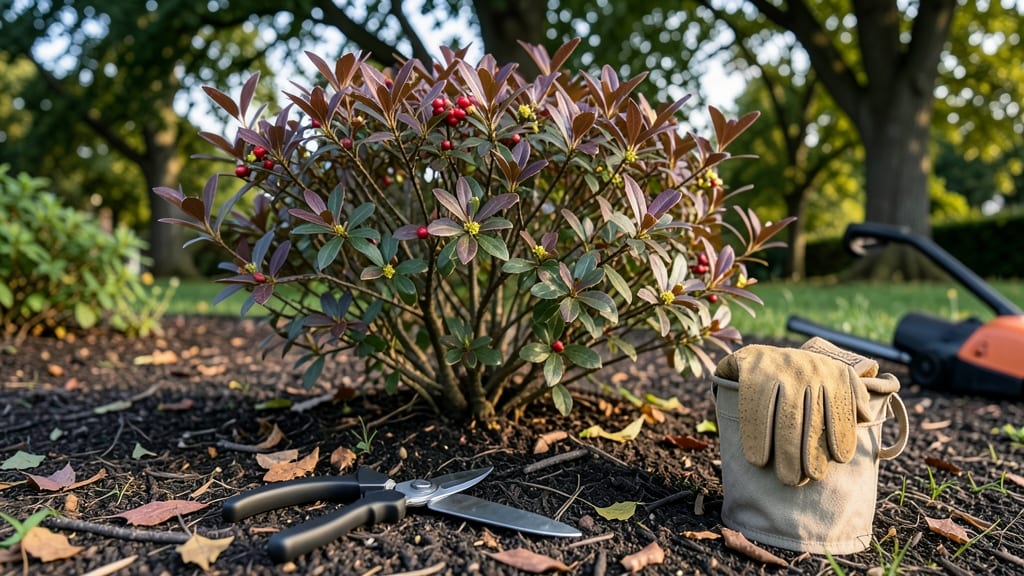
Late-winter barberry trimming transforms your shrubs from scraggly to shockingly lush by summer. 🌿 I’ve learned the hard way that timing matters—cut too late, and you’ll trigger weak growth before the next frost.
But get it right, and you’ll end up with dense foliage and fewer thorns to deal with all season. The secret isn’t aggressive pruning—it’s strategic cuts. Focus on removing dead or crossing branches first, then shape the shrub by thinning out older stems at the base.
Barberries handle pruning better than most shrubs, so don’t be afraid to sculpt them into the shape you want, whether that’s a formal hedge or a natural, rounded form. By mid-March in most zones, you’ll see fresh green shoots pushing from the base, signaling the shrub’s recovery.
The result? A thorn-free understory, better airflow to prevent disease, and a bush that looks like it was professionally landscaped—without the hefty bill. Works for both Japanese barberries (the thornless varieties) and traditional types. Just avoid pruning after July 1st—that’s when you risk stunting next year’s blooms and growth.
📚 In This Guide
- What you need
- Instructions
- Tips and common mistakes
- Wrapping up and next steps
What you need
- ● Pruning shears: Bypass pruners (for clean cuts) or anvil pruners (for thicker stems). Choose sharp, high-quality tools (e.g., Felco or Fiskars) to avoid crushing stems.
- ● Loppers: 1 pair (for branches up to 1.5 inches thick). Look for long handles (24+ inches) for leverage.
- ● Pruning saw: 1 (for stubborn, thick branches). Opt for a curved-tooth saw to prevent tearing.
- ● Gloves: Heavy-duty, thorn-proof gloves (e.g., Mechanix or leather gardening gloves) to protect hands.
- ● Safety glasses: 1 pair (to shield eyes from debris).
- ○ Disinfectant (optional but recommended): 70% rubbing alcohol or a 10% bleach solution (1 part bleach to 9 parts water) to sterilize tools between cuts and prevent disease.
- ● Trash bags or bucket: 1–2 (for collecting pruned branches). A 5-gallon bucket with a lid works great for easy disposal.
- ● Ladder or step stool: If your barberry is taller than 6 feet, ensure it’s stable and rated for your weight.
- ● Hose or water spray bottle: To rinse off sap or dust after trimming.
- ● Marking twine or flags: For labeling branches to prune (helpful for complex shapes).
- ● Mulch or compost: To replenish the soil after trimming (if you’re also fertilizing).
- ● Weather check: Trim on a dry, calm day (avoid wind or rain).
- ● Safety first: Wear closed-toe shoes and avoid loose clothing.
- ● Tool prep: Sharpen blades and oil hinges on pruners/loppers before starting.
- ● Plan ahead: Sketch a rough outline of your desired shape (or take photos for reference).
How to trim barberry shrubs for healthier, fuller growth
Here's the straightforward method I use every late winter to keep barberries lush and manageable.
✂️ Step 1: Gather Tools and Prepare the Workspace
Start with clean, sharp pruning shears and loppers—dull blades tear stems and invite disease. I always disinfect my tools with rubbing alcohol before starting, especially if I've worked with other plants recently. Barberries can carry fungal spores, and you don't want to spread them.
Work on a dry day when temperatures are above 40°F—cold, wet conditions stress the plant. Lay down a tarp or old blanket to catch fallen leaves and debris. This makes cleanup easier and protects the lawn underneath. Wear long sleeves and gloves; those thorns don't forgive careless hands.
🌿 Step 2: Remove Dead or Diseased Wood First
Scan the entire shrub for branches that are brown, brittle, or showing signs of disease like black spots or mold. These should come out completely—no exceptions. Cut back to the main stem or ground level, making clean cuts at a 45-degree angle just outside the branch collar (the swollen area where the branch meets the trunk).
I like to work from the bottom up. This lets me see the overall shape as I go and prevents accidentally cutting healthy growth. If you find a branch with more than one-third of its diameter affected by disease, remove the whole branch rather than trying to trim it back.
⏰ Step 3: Thin Out Overcrowded Branches
Barberries grow dense, but too many branches competing for space leads to weak growth and more thorns. Look for branches that cross or rub against each other—these need to go. Also remove any that grow straight upward ("water sprouts") or lean inward toward the center of the shrub.
Cut these back to a strong outward-facing branch or the main stem. Aim to leave an open center that lets light and air circulate. You'll know you've done enough when you can see light through the middle of the shrub. This prevents fungal issues and encourages fuller growth on the outer branches.
☀️ Step 4: Shape the Shrub for Fullness
Now for the fun part—giving your barberry its signature rounded shape. Step back and visualize the ideal form: wider at the base, gradually tapering toward the top. I trim back the longest branches first, cutting just above a set of healthy buds (the small bumps on the stem).
For a more natural look, make your cuts at a slight angle just above the bud. Avoid cutting flush with the stem—this leaves a wound that heals poorly. If you're unsure where to cut, imagine the branch continuing upward in the shape you want, then trim just above that point. Barberries respond well to shaping, so don't be afraid to be bold.
💧 Step 5: Clean Up and Monitor for Recovery
After trimming, rake up all the debris and dispose of it in the trash—not the compost. Diseased branches can spread pathogens, and you don't want to risk reinfecting your shrub. Give the area a final sweep with your broom to collect any missed leaves or twigs.
Water the base of the shrub deeply right after pruning to help it recover. You'll see new growth emerge from the buds within 4-6 weeks, signaling that your cuts were in the right place. Keep an eye out for any branches that look stressed or develop unusual spots—these might need additional attention.
Tips & tricks for perfect barberry shrub trimming
These pro secrets will help you transform your barberries into a lush, thorn-free beauty without the common mistakes.
Tool Prep Matters: I can't stress enough how important it is to disinfect your tools before starting. Rubbing alcohol works perfectly, but if you don't have any, a 10-minute soak in a 1:9 bleach-water solution (1 part bleach to 9 parts water) does the trick. Just make sure to rinse and dry thoroughly before use. Sharp tools make all the difference—dull blades crush stems instead of cutting cleanly, which stresses the plant and invites disease.
Timing Secret: Late winter is the perfect time to trim barberries because they're dormant, but don't wait too long. Aim for late February to early March when the ground is thawed but before new growth appears. This gives your shrubs the full growing season to recover. If you missed the window, you can do light shaping in early summer after flowering, but avoid heavy pruning then.
Visual Cue for Shaping: When shaping in Step 4, think of your barberry like a cone—wider at the base, narrower at the top. Hold your pruners at a 45-degree angle and cut just above a set of healthy buds facing outward. A good trick is to use a small mirror to check hard-to-see areas. You'll notice the buds are often on the underside of branches, so look carefully before making your cuts.
Recovery Boost: After trimming, give your barberry a deep watering with a slow-release fertilizer mixed in. I like to use a balanced 10-10-10 formula at half strength. This helps the plant recover faster and encourages strong new growth. The 4-6 week recovery time mentioned in Step 5 is ideal—don't be tempted to trim again before then, even if you see new shoots.
Pro Tips for Trimming Barberry Shrubs
- These pro secrets will help you transform your barberries into a lush, thorn-free beauty without the common mistakes.
- Tool Prep Matters: I can't stress enough how important it is to disinfect your tools before starting.
- Timing Secret: Late winter is the perfect time to trim barberries because they're dormant, but don't wait too long.
Frequently asked questions
Got questions about trimming your barberry shrubs? You’re not alone! Here are answers to the most common concerns to help you prune like a pro.
When is the best time to trim barberry shrubs?
Late winter (just before new growth starts) is ideal—typically February to early March in most climates. This timing encourages dense, healthy growth while avoiding stress from extreme cold or summer heat. Avoid pruning in fall, as it can leave plants vulnerable to winter dieback.
How much can I cut back barberry shrubs without harming them?
Barberries are tough! You can safely remove up to ⅓ of the plant’s height in one season. For overgrown shrubs, spread cuts over 2–3 years to avoid shock. Never cut into old wood (woody stems without leaves)—focus on current season’s growth for best results.
How do I avoid getting pricked by thorns while truning?
Wear thick gloves (leather or heavy-duty gardening gloves) and long sleeves to protect your skin. Use bypass pruners (not anvil pruners) for cleaner cuts, and avoid reaching into dense thickets—work systematically from the outside in. A long-handled lopper can help too!
What if my barberry looks leggy or sparse after trimming?
Leggy growth often means it needs more sunlight or nutrients. After pruning, fertilize lightly with a balanced 10-10-10 formula in early spring. Thin out crowded branches to improve airflow, and consider mulching with compost to encourage root growth. Patience helps—new shoots should fill in within a season!
Can I shape barberry shrubs into a hedge, or are they better left natural?
Yes! Barberries respond well to formal shaping but thrive best with structured, rounded cuts (not tight, boxy hedges). Prune hedge-style in late winter and again lightly after flowering. Avoid shearing too aggressively—barberries prefer natural, layered looks for optimal health.
Wrapping up and next steps
Trimming your barberry shrubs in late winter isn’t just about tidying up—it’s your secret weapon for vibrant, thorn-free growth all season long! 🌿 By mastering the right techniques, timing, and tools, you’ll encourage dense foliage, reduce pests, and keep those pesky thorns in check.
Whether you’re a seasoned gardener or just starting out, a little pruning goes a long way in transforming your shrubs into a well-groomed, low-maintenance centerpiece.
Ready to take the next step? Grab your shears, mark your calendar for late winter, and give your barberries the care they deserve. With each snip, you’re not just shaping a shrub—you’re shaping a healthier, happier landscape. Happy trimming! ✂️💚