
Shrubs
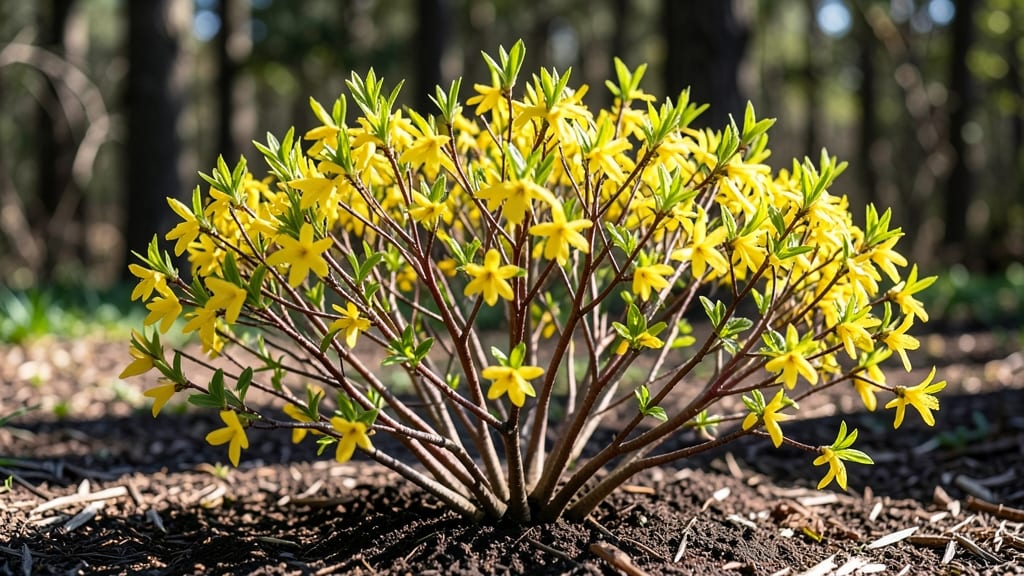
There’s nothing like waking up to a yard filled with the vibrant colors of early flowering shrubs when most plants are still dormant. These hardy beauties, like viburnum and witch hazel, prove that spring doesn’t need warm weather—just the right timing.
I’ve learned that pruning just after blooms fade keeps these shrubs producing fragrant canopies year after year, even in cold climates.
The secret isn’t complicated: these shrubs thrive in partial shade, well-draining soil, and mild winters where frost lingers but doesn’t linger too long. Varieties like Pieris japonica and Hamamelis bloom in late winter or early spring, often before leaves even appear.
That’s when your garden smells like honey and looks like a watercolor painting.
With the right care, you’ll see blooms appear 2-3 weeks earlier than average, turning your yard into a magnet for pollinators. The key is pruning right after flowering—never in fall or winter—so you don’t cut off next year’s buds. It’s a small effort for a show-stopping display that lasts weeks.
Works for zones 5-8, whether you’re filling a sunny border or adding height to a shady corner. Let’s get those shrubs blooming reliably every season—starting with the right varieties and timing.
📚 In This Guide
- What you need
- Instructions
- Tips and common mistakes
- Wrapping up and next steps
What you need
- ● Early flowering shrubs: Choose from Pieris japonica, Viburnum bodnantense, or Hamamelis (3–5 mature plants for optimal coverage).
- ○ Pruning shears: Bypass pruners (sharp, 6–8" blades) for clean cuts. Optional: Loppers (for thicker branches) or a pruning saw for stubborn wood.
- ● Gloves: Heavy-duty gardening gloves (nitrile-coated for grip and protection).
- ● Disinfectant: 70% isopropyl alcohol or pruning sealant (to prevent disease spread).
- ● Marking twine or flags: For tagging branches to prune (if needed).
- ● Pruning guide: A printed checklist or app (e.g., Gardenate) for timing and techniques.
- ● Wheelbarrow or bucket: For collecting clippings (1–2 gallons capacity).
- ○ Water spray bottle: To rinse tools between cuts (optional but handy!).
- ● Mulch: Shredded bark or compost (2–3 inches) to protect roots post-pruning.
- ● Weather check: Prune on a dry, overcast day (avoid frost or rain within 24 hours).
- ● Safety gear: Safety glasses (if working near eyes) and long sleeves (for sun/bug protection).
- ● Knowledge: Research your shrub’s specific pruning timeline (e.g., after flowering for Pieris, late winter for Hamamelis).
Step-by-Step guide to reviving early flowering shrubs through pruning
Here’s how I transform leggy, sparse shrubs into lush, fragrant canopies—using pruning science and seasonal timing.
Identify Your Shrub’s Flowering Cycle
Early bloomers like forsythia or lilac flower on old wood—last year’s growth. Prune them after they finish blooming, or you’ll cut off next year’s flowers. Late bloomers like hydrangea or abelia flower on new wood, so you can prune anytime. Check your shrub’s label or research its species—this is the single most critical step.
Look for last year’s growth (thicker, woody stems) versus current season’s shoots (slender, green). If you see buds forming at the base of old stems, those are your future blooms. Never prune when buds are still tight and closed—wait until they’ve opened and faded completely.
Remove Dead or Crossing Branches First
Start by cutting out dead wood (gray, brittle stems) and crossing branches (those rubbing against each other). Use clean, sharp pruners to make 45-degree cuts just above a leaf node or bud. This prevents disease and improves airflow, which is crucial for fragrant blooms.
I always work from the inside out—thinning crowded branches lets light reach the center, where new growth will emerge. If a branch is larger than 1/4 inch thick, use loppers instead of pruners. Never leave stubs; a clean cut heals faster and directs energy to new growth.
Prune for Shape and Airflow
Step back and visualize your shrub’s natural shape. Early bloomers often develop uneven canopies if left unchecked. Cut back overly long branches by one-third to encourage bushier growth. For a rounded look, remove branches that grow straight up or outward too aggressively.
Focus on opening the center—this is where most fragrant blooms originate. If you see bare spots at the base, prune back some of the taller branches to redirect energy downward. Use your pruners to angle cuts away from the stem to prevent water pooling.
Thin Out Overcrowded Stems
If your shrub has too many stems growing from the base, select the strongest 3-5 and prune the rest at ground level. This prevents competition for nutrients and encourages thicker, more fragrant blooms on remaining stems. I always leave at least one-third of the old wood—this ensures next year’s flowers won’t be sacrificed.
Watch for suckers (weak, thin shoots at the base) and remove them immediately. These drain energy from your main shrub. After thinning, your canopy should look open and airy—like sunlight can reach every branch. This is when you’ll start seeing new growth within 2-4 weeks.
Clean Up and Apply Post-Pruning Care
Rake up all clippings and sterilize your tools with rubbing alcohol to prevent disease spread. Early bloomers need balanced fertilizer (10-10-10) applied 6 weeks after pruning to support new growth. Water deeply but avoid soggy soil—root rot is a common issue after heavy pruning.
Here’s the thing—your shrub might look sparse for a season, but patience pays off. By next year, you’ll have a fuller, more fragrant canopy with stronger blooms. I’ve revived shrubs that looked dead in just two growing seasons using this method.
Tips & tricks for reviving early flowering shrubs
These pruning secrets will help you transform sparse shrubs into fragrant canopies without sacrificing next year's blooms.
Timing is Everything: In Step 1, when identifying your shrub's flowering cycle, I can't stress enough how critical this is. For early bloomers like forsythia, wait until after the blooms have completely faded and turned brown—this ensures you're not cutting off next year's flower buds. I've learned the hard way that pruning too early means no flowers the following spring. Look for browned, dried petals as your cue, not just when the flowers stop being vibrant. This patience pays off with a spectacular display the next year.
The Inside-Out Technique: When working through Step 2 and Step 3, always start pruning from the center of the shrub and work your way outward. This creates an open, airy structure that allows sunlight to penetrate to the inner branches where most fragrant blooms develop. I've seen gardeners make the mistake of starting from the outside, which can create a dense, shaded interior that produces fewer flowers. After thinning, you should be able to see through the canopy to the other side—this is your goal for optimal airflow and light exposure.
Precision Cuts Matter: In Steps 2 and 3, when making your cuts, always aim for just above a leaf node or outward-facing bud at a 45-degree angle. This angled cut prevents water from pooling on the stem, which could lead to rot. I've found that using a clean, sharp pair of pruners makes all the difference—dull tools can crush stems and create jagged cuts that heal poorly. For branches larger than 1/4 inch, switch to loppers to maintain clean cuts without tearing the bark. This attention to detail ensures your shrub recovers quickly and directs energy to new growth rather than healing damaged tissue.
Post-Pruning Care: After completing all the pruning steps, don't forget the crucial care in Step 5. The 6-week window for applying balanced fertilizer (10-10-10) is when your shrub needs that extra boost to recover and prepare for next year's blooms. I've noticed that shrubs pruned in late winter or early spring often show new growth within 2-4 weeks, but this can vary based on your climate. Water deeply but avoid waterlogging the soil—this is when root rot becomes a risk. A thick layer of mulch around the base helps retain moisture while protecting roots from temperature fluctuations.
Pro Tips for Early Flowering Shrubs
- These pruning secrets will help you transform sparse shrubs into fragrant canopies without sacrificing next year's bl...
- Timing is Everything: In Step 1, when identifying your shrub's flowering cycle, I can't stress enough how critical th...
- The Inside-Out Technique: When working through Step 2 and Step 3, always start pruning from the center of the shrub a...
Frequently asked questions
Got questions about early flowering shrubs? You’re not alone!
Whether you’re a seasoned gardener or just starting, timing, care, and troubleshooting can feel tricky. Here are some of the most common questions—and answers—to help you bring out the best in your fragrant blooms.
When is the best time to prune early flowering shrubs?
Prune after they finish blooming—usually late spring or early summer. This ensures you don’t cut off next year’s flower buds, which form during the previous growing season. For example, azaleas and rhododendrons need pruning only after their spring display fades.
Why did my early flowering shrub bloom poorly this year?
Poor blooming often stems from over-pruning, nutrient deficiencies, or stress (like drought or improper sunlight). Check for yellowing leaves (overwatering) or brown tips (underwatering). Feed with a balanced fertilizer in early spring and adjust pruning for next year.
Can I still prune if I missed the window?
Yes, but be cautious! Light shaping is fine, but avoid heavy cuts. Focus on removing dead or diseased branches first. If you must prune late, research your specific shrub—some (like forsythia) tolerate summer pruning better than others.
What are good alternatives to traditional early bloomers?
If you love color but want variety, try dwarf lilacs (compact and fragrant), weigela (vibrant pink/purple blooms), or mock orange (sweetly scented). These thrive in similar conditions but offer different heights and textures for your garden.
How do I prevent pests after pruning?
Pruning opens wounds, attracting pests like aphids or spider mites. Clean tools with rubbing alcohol between cuts, and apply neem oil or insecticidal soap if you spot pests. Keep shrubs healthy with mulch and proper watering to deter infestations.
Still stumped? Drop your shrub’s name in the comments—we’re happy to help!
Wrapping up and next steps
Early flowering shrubs like Forsythia and Azalea can transform your garden into a vibrant oasis—with the right pruning timing! 🌸 By understanding their blooming cycles and following best practices, you’ll encourage lush growth and stunning displays year after year.
Whether you’re a seasoned gardener or just starting, this guide gives you the confidence to prune like a pro.
Ready to revitalize your shrubs? Grab your pruners and start with our step-by-step guide—your garden’s springtime magic awaits! 🌿✨