
Shrubs
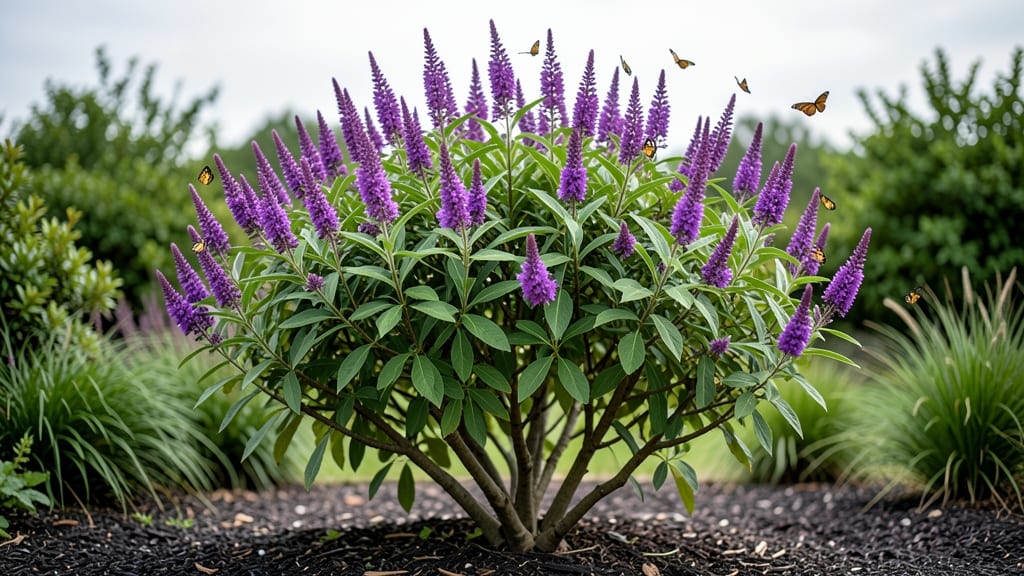
Cold-hardy flower shrubs turn winter gardens into fragrant, colorful showstoppers—no matter where you live. ✨ I’ve grown these tough beauties through Zone 4 winters, and they’ve never missed a beat, delivering blooms from spring through frost.
The secret lies in their resilience: deep roots, dense growth, and flowers that form on old or new wood, depending on the variety. These shrubs thrive with minimal fuss once planted right.
Most need full sun to partial shade and well-draining soil, but they’ll tolerate poor conditions better than fussy annuals. My go-to varieties—like hydrangeas, lilacs, and abelia—handle drought, pests, and even urban pollution. The payoff? Year-round interest with minimal pruning or fuss.
By late spring, you’ll see lush foliage and clusters of blooms that attract pollinators. Even in harsh winters, their woody stems protect buds, ensuring fresh flowers the next season. The best part? They grow 6–12 feet tall, creating natural privacy and year-round structure.
Perfect for foundations, borders, or mixed shrub beds. Here’s how to pick, plant, and keep them thriving—no green thumb required.
📚 In This Guide
- What you need
- Instructions
- Tips and common mistakes
- Wrapping up and next steps
What you need
- ● Hardy flower shrubs (3–5 plants per variety): Butterfly bush (Buddleia davidii) – Zones 4–9
- ● Weigela (Weigela florida) – Zones 4–8
- ● Dwarf lilac (Syringa meyeri) – Zones 3–7
- ● Potentilla (Dasiphora fruticosa) – Zones 3–7
- ● Winterberry (Ilex verticillata) – Zones 3–9 (for berries + color)
- ● Well-draining soil mix (50 lbs bag) – Amend with compost (20 lbs) for nutrients.
- ● Organic mulch (straw or shredded bark, 2–3 cubic feet) – Protects roots in winter.
- ● Garden gloves (1 pair) – Heavy-duty for digging.
- ● Hand trowel (6-inch) – For precise planting.
- ● Watering can or hose with spray nozzle – 1–2 gallons per plant for initial watering.
- ● Pruning shears (bypass type) – For shaping and deadheading.
- ● Slow-release fertilizer (10–10–10, 5 lbs) – Boosts early growth.
- ● Frost cloth (for young plants) – Extra protection in harsh winters.
- ● Stakes or trellis – Supports tall varieties like butterfly bush.
- ● pH test kit – Ensures soil is slightly acidic (6.0–7.0) for optimal blooms.
- ● Decorative rocks or edging – Adds a polished look to garden beds.
Step-by-step guide to planting hardy flower shrubs
Here’s how to establish cold-resistant shrubs that thrive year-round with minimal fuss.
🌱 Step 1: Choose the Right Location for Cold Resistance
Hardy shrubs thrive where they get at least 6 hours of sunlight daily, but their cold tolerance depends on microclimate. I always check for sheltered spots—near fences or buildings where winter winds can’t scour the foliage. Avoid low-lying areas where cold air pools, even if the shrub is labeled "hardy to Zone 5."
Dig a hole twice as wide as the root ball but only as deep—planting too deep suffocates roots. Loosen the sides of the hole with a shovel to encourage root spread. If your soil drains poorly, mix in 2-3 inches of compost into the bottom third to improve aeration without overwhelming the plant.
🌿 Step 2: Prepare the Root Ball and Plant
Remove the shrub from its container and tease apart any circled roots at the bottom—these are roots growing in tight loops that strangle themselves. Soak the root ball in lukewarm water for 10-15 minutes before planting to revive any dried edges. This step is critical for shrubs like butterfly bush or elderberry, which wilt fast if roots dry out.
Place the shrub in the hole so the top of the root ball sits level with the surrounding soil—never bury the stem. Backfill with native soil, pressing gently to eliminate air pockets. Water deeply until the soil settles 1-2 inches—this prevents the plant from sinking as it drinks.
☀️ Step 3: Mulch and Water for Winter Readiness
Spread 3-4 inches of mulch (wood chips or shredded bark) over the root zone, keeping it 6 inches away from the stem to prevent rot. Mulch insulates roots in winter and retains moisture during dry spells. For extra protection in Zone 4 or colder, add a 4-6 inch layer of straw on top of the mulch in late fall.
Water deeply once a week for the first month, then taper to every 10-14 days once established. You’ll know it’s right when the soil feels damp 3 inches down—never soggy. Overwatering in winter smothers roots, while underwatering stresses them into early dormancy.
✂️ Step 4: Prune Strategically for Cold Survival
Prune late winter or early spring (just before buds swell) to shape the shrub and encourage dense growth. Cut back dead or crossing branches first, then thin interior stems to improve airflow—this prevents fungal diseases that thrive in damp, crowded canopies. Never remove more than one-third of the plant in a single season.
For flowering shrubs like potentilla or viburnum, prune after blooming to preserve next year’s flowers. Watch for new growth at the tips—this signals the plant is pushing energy upward, not just surviving. A healthy shrub will have thick, green stems and no bare patches by mid-summer.
🌱 Step 5: Monitor and Adjust for Long-Term Hardiness
Check for winter dieback in early spring—this is normal for hardy shrubs, but if more than half the plant looks dead, it’s a sign of poor drainage or over-mulching. Trim back dead wood to just above a healthy bud or lateral branch. Fertilize lightly in early spring with a balanced 10-10-10 formula to boost root growth before summer.
By year two, your shrubs should need minimal care—just annual pruning and mulch refreshes. The key is patience: hardy shrubs establish slowly but reward you with fragrant blooms, wildlife habitat, and decades of low-maintenance beauty. Real talk—skipping the root-soak step is how I’ve lost shrubs before, so don’t skip it.
Tips & tricks for planting hardy flower shrubs
These practical insights will help you avoid common pitfalls and ensure your cold-resistant shrubs thrive for years to come.
Location Intelligence: Before digging, test your site's microclimate by observing how wind and cold settle in your yard. I've planted butterfly bush in full sun near a south-facing wall and seen it survive winters that killed exposed specimens. Pay special attention to how cold air behaves in your specific landscape—this is what separates thriving plants from struggling ones.
Root Revival Technique: That 10-15 minute root soak in Step 2 isn't just about hydration—it's about waking up dormant root tips. I've seen shrubs that looked perfectly healthy from the top but had completely dried root balls when I skipped this step. Use lukewarm water (not cold) to mimic natural spring conditions that stimulate root growth. For container-grown shrubs, gently squeeze the root ball to check moisture before planting.
Mulch Layer Strategy: The 3-4 inch mulch layer in Step 3 serves two critical purposes: insulation and moisture retention. For extra winter protection in Zone 4 or colder, I recommend adding that 4-6 inch straw layer in early November before hard frosts. This creates a thermal blanket effect that can mean the difference between winter survival and plant death. Just remember to keep mulch 6 inches away from stems to prevent rot.
Pruning Timing Secret: That late winter/early spring pruning window is tighter than you might think. The key is to prune just as buds begin to swell but before they break dormancy. I've ruined several viburnum bushes by pruning too early—this removes next year's flower buds before they form. For flowering shrubs, always prune immediately after blooming to preserve next season's blossoms while still allowing for shape control.
Pro Tips for Hardy Flower Shrubs
- These practical insights will help you avoid common pitfalls and ensure your cold-resistant shrubs thrive for years t...
- Location Intelligence: Before digging, test your site's microclimate by observing how wind and cold settle in your ya...
- Root Revival Technique: That 10-15 minute root soak in Step 2 isn't just about hydration—it's about waking up dormant...
Frequently asked questions
Got questions about hardy flower shrubs? You’re not alone!
Here are answers to the most common concerns—whether you're a first-time gardener or a seasoned pro looking to expand your landscape. Let’s dig in!
How cold can these shrubs actually handle?
Hardy flower shrubs are tough! Most thrive in USDA Zones 3–8, meaning they can brave temps as low as -30°F to -40°F (depending on the variety). Check the specific plant’s hardiness zone—some, like Weigela or Spirea, are winter warriors even in colder climates.
When is the best time to plant them for winter survival?
Plant in early fall or late spring to give roots time to establish before harsh winters. Avoid planting too close to winter—young shrubs need 6–8 weeks to acclimate. Pro tip: Mulch heavily after planting to insulate roots!
Can I grow hardy shrubs in containers?
Many, like Dwarf Lilacs or Potentilla, thrive in containers with well-draining soil and winter protection (move to a sheltered spot or wrap pots in burlap). Just ensure pots are large enough (18–24" diameter) and use a slow-release fertilizer in spring.
What pests or diseases should I watch for?
Common issues include:
- Aphids (sap-sucking bugs) – Spray with soapy water.
- Powdery mildew (white fungus) – Improve airflow and use fungicide.
- Japanese beetles – Handpick or use neem oil.
Do these shrubs lose leaves in winter, and is that normal?
Yes! Most hardy shrubs are deciduous and drop leaves in winter (like Butterfly Bush), while a few, like Winter Jasmine, stay evergreen. Don’t panic—new growth returns in spring. Evergreens may need occasional watering in dry winters.
Wrapping up and next steps
Transforming your garden into a fragrant, year-round retreat is easier than you think—thanks to these hardy flower shrubs! 🌿 From the bold blooms of Weigela to the delicate charm of Pieris japonica, these cold-resistant stars thrive even in chilly climates, offering beauty and resilience.
Whether you’re a seasoned gardener or just starting out, adding these shrubs will bring color, scent, and low-maintenance joy to your outdoor space.
Ready to take the next step? Start small—pick one or two varieties that suit your climate and soil, then plant them in a sunny spot where you’ll enjoy their blooms daily. Happy gardening! 🌸