
Shrubs
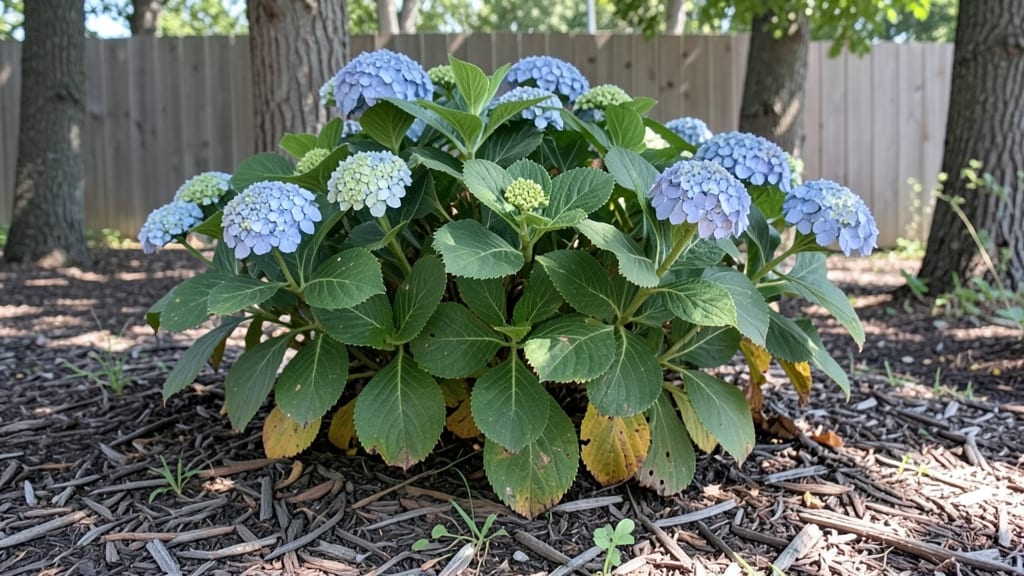
Shade-loving shrubs thrive in dimly lit areas, with standout choices like hydrangeas, azaleas, and rhododendrons delivering bold foliage and flowers even in low-light spots. For year-round structure, evergreens such as boxwoods or deciduous varieties like pieris create reliable privacy screens.
Shade-tolerant shrubs adapt beautifully to areas where sunlight is scarce by developing broader leaves that capture more indirect light. 🌿 Hydrangeas, for instance, flourish in partial shade and reward gardeners with dramatic blooms, while evergreens like boxwoods maintain their lush appearance even in full shade.
The key is selecting varieties that match your specific light conditions—whether that's dappled shade under trees or deep shade along north-facing walls.
These plants often grow more slowly in low light, so patience pays off in denser foliage over time. I always recommend testing soil moisture first—shade-loving shrubs typically prefer consistently damp (but not soggy) conditions.
For instant privacy, opt for faster growers like pieris or inkberry holly, which can reach 6-10 feet tall within a few years.
💡 In This Article
- How Light Levels Affect Shade-Tolerant Shrubs
- Top 5 Shade-Loving Shrubs for Privacy and Landscaping
How light levels affect shade-tolerant shrubs
Shade-tolerant shrubs have evolved remarkable adaptations to thrive where sunlight is scarce. Their leaves often develop a larger surface area to capture more diffuse light, sometimes growing up to 30-50% wider than sun-loving counterparts.
The key mechanism is their ability to optimize photosynthesis in low light through specialized pigments like chlorophyll b and carotenoids, which absorb blue and red wavelengths more efficiently in dim conditions. 🌿 This adaptation explains why hydrangeas produce vibrant blooms even under tree canopies—where light intensity drops to just 10-20% of full sun.
The difference between full shade (0-3 hours of direct light) and partial shade (3-6 hours) creates dramatic growth variations. In full shade, shrubs like boxwoods grow more slowly but develop denser foliage, while in partial shade, azaleas may produce larger flowers but require slightly more nutrients.
The root systems also adapt—shade-loving shrubs often develop broader, shallower roots to access moisture near the surface where light penetration is weakest. This explains why they prefer well-draining, moisture-retentive soils.
Flowering cycles shift dramatically with light exposure. Most shade-tolerant shrubs bloom on old wood (growth from previous seasons), meaning they set buds in late summer/fall when days are shorter.
In full shade, blooming may be 2-3 weeks later than in partial shade, and flowers often appear smaller but last longer due to reduced energy demands. The trade-off? Leaf quality improves—evergreens like pieris maintain their glossy foliage year-round because they prioritize leaf production over rapid growth in low light.
What most gardeners don't realize is how temperature interacts with shade tolerance. In cooler climates, shade actually protects shrubs from heat stress, allowing them to grow more vigorously in 60-75°F ranges where sun-exposed plants might scorch.
However, in hot climates, even shade-loving shrubs need at least 3 hours of morning sun to prevent fungal issues from excessive moisture retention. This explains why rhododendrons thrive in Pacific Northwest shade gardens but struggle in humid Southern climates without proper airflow.
Consider these key factors when selecting shrubs for your space:
- Leaf structure: Broad, thin leaves (like hostas) maximize light capture but require more water
- Growth habit: Mounding shrubs (e.g., dwarf fothergilla) adapt better to full shade than upright types
- Soil pH: Acid-loving varieties (e.g., azaleas) need pH 4.5-6.0 to thrive in shade
The most shade-tolerant varieties actually perform best with filtered light—think dappled sunlight through tree branches rather than complete darkness. This mimics their natural understory habitats where they compete with tree roots for nutrients.
For example, inkberry holly can tolerate 90% shade but produces 30% more berries with just 3 hours of morning light. 💫