
Light Requirements
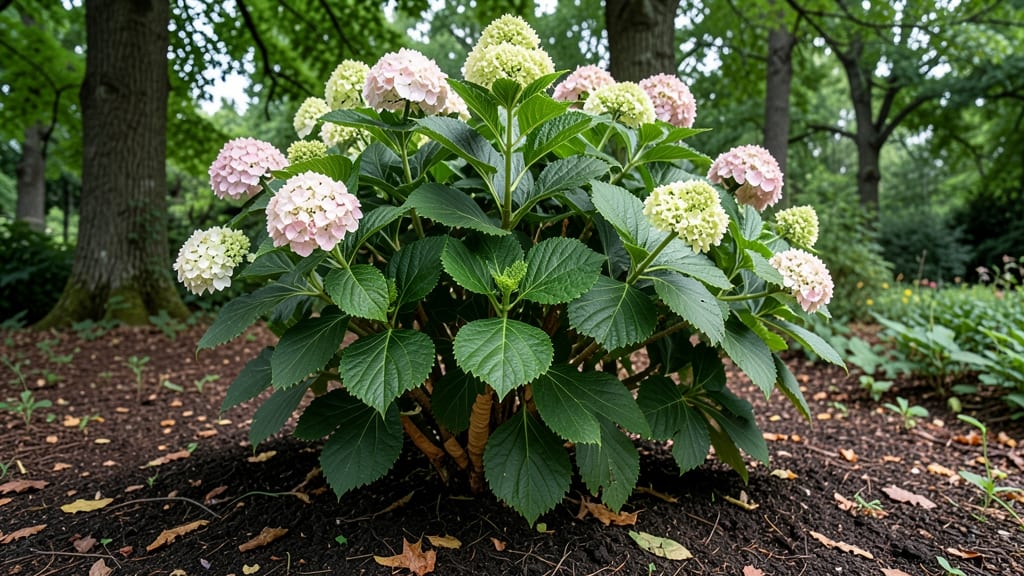
Full shade shrubs for Zone 9 don’t just survive—they transform dark corners into lush, fragrant havens. 🌿 I’ve spent years testing varieties that refuse to wilt under the canopy of oak trees, and these are the ones that consistently deliver vibrant foliage and year-round interest without a single ray of direct sun.
The secret lies in soil prep: amending with compost and organic matter mimics the rich forest floors these shrubs evolved in. Most need moderate moisture—not soggy—so mulch heavily to retain moisture while keeping roots cool.
My go-to list includes Oakleaf Hydrangea (for summer blooms), Dwarf Fothergilla (for autumn color), and Japanese Pieris (for early spring flowers). You’ll end up with a living privacy screen that smells like a mountain retreat—no sunburnt leaves, no struggling plants.
The fragrance alone makes it worth the effort, and the care routine is simpler than you’d expect. These shrubs thrive when you stop fighting the shade and start working with it. Perfect for understory plantings, north-facing yards, or anywhere sunlight is scarce. Let’s get your shade garden growing!
📚 In This Guide
- What you need
- Instructions
- Tips and common mistakes
- Wrapping up and next steps
What you need
- ● Full shade-tolerant shrubs: 3–5 plants (e.g., Oregon grape (Mahonia aquifolium), Japanese pieris (Pieris japonica), or Dwarf fountain hydrangea (Hydrangea quercifolia ‘Snow Queen’)).
- ● Organic mulch: 2–3 inches of pine bark, wood chips, or shredded leaves (1 bag ≈ 2 cubic feet).
- ● Well-draining soil amendment: 1–2 bags of compost or peat moss (per 10 sq. ft.).
- ● Slow-release fertilizer: 10–15 lb. bag of balanced 10-10-10 or acid-loving plant fertilizer (for hydrangeas/camellias).
- ● Garden tools: Trowel or hand spade
- ● Pruning shears (sterilized)
- ● Garden gloves
- ● Watering can or hose with a gentle spray nozzle
- ○ Optional (but helpful!): Moisture meter (to check soil hydration)
- ● Mulch volcano guard (to prevent mulch buildup around stems)
- ● Epsom salt (for magnesium boost, especially for hydrangeas)
- ● Fungicide (e.g., copper fungicide for preventive care)
- ● Location: A spot with less than 3 hours of direct sunlight daily (dappled shade is ideal!).
- ● Soil test: Check pH (aim for 5.0–6.5 for most shade shrubs; hydrangeas prefer 4.5–5.5). Adjust with sulfur or lime if needed.
- ● Water access: A soaker hose or drip irrigation for consistent moisture (critical in Zone 9’s heat!).
- ● Spacing: Follow plant tags (typically 3–6 feet apart for mature size).
How to select and plant full shade shrubs for Zone 9
Here's the method I use to create lush, fragrant privacy screens that thrive in deep shade—no sun required.
🌿 Step 1: Choose the Right Shrubs for Zone 9's Shady Conditions
Zone 9's full shade means selecting shrubs that tolerate less than 3 hours of direct sunlight daily. My top picks include Oakleaf Hydrangea (fragrant blooms), Japanese Pieris (early spring flowers), and Dwarf Fothergilla (winter interest). These thrive in 40-70°F and handle humidity well.
Look for nursery-grown plants with strong stems and healthy foliage—avoid leggy or yellowing specimens. I always check the root ball for moisture; dry roots mean the plant needs immediate watering. Plant in groups of 3-5 for a natural, dense look.
🪴 Step 2: Prepare the Planting Site for Optimal Growth
Test your soil's moisture retention—full shade shrubs need consistently damp (not soggy) soil. Amend heavy clay with 2-3 inches of compost to improve drainage. If your soil drains poorly, create a raised bed or mound to prevent root rot.
Dig holes twice as wide as the root ball but only as deep. Loosen the edges of the hole with a fork to encourage root spread. I like to add a handful of slow-release fertilizer to the backfill soil—this gives plants a nutrient boost without overfeeding.
☀️ Step 3: Plant with Proper Spacing and Mulch
Space shrubs 3-6 feet apart, depending on mature size—closer for smaller varieties like Dwarf Fothergilla, wider for Oakleaf Hydrangea. Place the plant so the top of the root ball sits 1 inch above soil level; settling will occur over time.
Backfill with native soil mixed with compost, tamping gently to remove air pockets. Water deeply to settle the soil, then add 2-3 inches of mulch (wood chips or pine straw) to retain moisture and suppress weeds. Keep mulch 6 inches away from stems to prevent rot.
💧 Step 4: Water and Monitor for First-Year Success
Water newly planted shrubs 1-2 times weekly until established (usually 6-12 months). You'll know they're getting enough moisture when the top inch of soil feels damp but not soggy. Overwatering in shade is a common mistake—roots need air too.
Watch for new growth in 4-6 weeks; this signals successful rooting. If leaves yellow, it’s often overwatering or poor drainage. Adjust your watering schedule based on rainfall—shade plants need less frequent watering once established.
✂️ Step 5: Prune for Shape and Encourage Fragrance
Prune Oakleaf Hydrangea in late winter to shape and remove dead wood. For Japanese Pieris, prune after flowering to maintain a tidy form. I avoid heavy pruning in the first year—let the plant focus on root growth.
Fragrance thrives with good airflow, so avoid overcrowding. Trim back leggy growth to encourage bushier, more aromatic foliage. A light feeding with balanced fertilizer (10-10-10) in early spring boosts blooms and scent without overstimulating growth.
Tips & tricks for thriving full shade shrubs in Zone 9
Creating a fragrant, lush privacy screen in deep shade requires strategic choices—and these are the details that make all the difference.
Selection Insight: When choosing your Oakleaf Hydrangea, look for buds forming in late summer—they indicate next year's blooms. For Japanese Pieris, select plants with vibrant pink or white flower buds already visible in winter, as this signals vigorous growth. The Dwarf Fothergilla should have glossy leaves and a compact shape; leggy specimens struggle to establish in shade.
Soil Science: The 2-3 inches of compost you mix into your planting hole isn't just about nutrients—it's about creating the perfect moisture balance. In Zone 9's humid climate, this layer prevents waterlogging while retaining enough moisture for deep shade roots. For clay-heavy soils, consider adding perlite or coarse sand (optional) to further improve drainage without compromising moisture retention.
Planting Precision: The 1 inch above soil level placement for your root ball might seem minor, but it's critical for preventing rot in our damp climate. As you backfill, gently press the soil around the roots to eliminate air pockets—this ensures immediate root-to-soil contact. A quick trick: Tap the sides of the hole lightly with a board after backfilling to settle the soil evenly.
Watering Wisdom: That 1-2 times weekly watering guideline assumes average Zone 9 rainfall. During our hotter months, you may need daily watering until roots establish (look for 4-6 weeks of consistent growth). The key is checking soil moisture—stick your finger 2 inches deep; if it feels dry, water deeply until moisture reaches 6 inches down. Overwatering here causes more problems than underwatering.
Pro Tips for Full Shade Shrubs Zone 9
- Creating a fragrant, lush privacy screen in deep shade requires strategic choices—and these are the details that make all the difference.
- Selection Insight: When choosing your Oakleaf Hydrangea, look for buds forming in late summer—they indicate next year's blooms.
- Soil Science: The 2-3 inches of compost you mix into your planting hole isn't just about nutrients—it's about creating the perfect moisture balance.
Frequently asked questions
Got questions about growing full-shade shrubs in Zone 9? You’re not alone! Here are answers to the most common concerns—so you can confidently create a lush, fragrant privacy screen without a single ray of direct sun.
What are the easiest full-shade shrubs for beginners in Zone 9?
Start with Dwarf Fatsia (Fatsia japonica ‘Little Princess’) or Japanese Holly (Ilex crenata). Both are low-maintenance, handle humidity, and thrive in deep shade. Oakleaf Hydrangea is another forgiving pick—just prune sparingly in late winter. Pro tip: Check local nurseries for Zone 9-specific cultivars like ‘Annabelle’ hydrangeas for extra resilience.
How long does it take for full-shade shrubs to grow into a privacy screen?
Most shrubs grow 1–3 feet per year, but shade slows growth. A 6-foot-tall screen may take 3–5 years with patience. Dwarf Fatsia and Boxwood (Buxus) grow slower (6–12" annually), while Oakleaf Hydrangea can reach 6 feet in 4–5 years. Plant in spring for the fastest start!
Do full-shade shrubs need extra watering in Zone 9’s heat?
Yes! Deep shade = less evaporation, but roots still dry out in Zone 9’s summer. Water 1–2 times per week (deeply, 1–2 inches) during the first year. Once established, most shrubs tolerate drought-like conditions, but mulch (2–3" of shredded bark) helps retain moisture. Watch for: Wilting leaves or crispy edges = time to water!
Can I mix full-shade shrubs with ground covers for a layered look?
Pair Dwarf Fatsia or Boxwood with Sweet Woodruff (Galium odoratum) or Liriope (Liriope muscari) for texture. Just ensure the ground cover won’t outcompete your shrubs—stick to non-invasive varieties. Bonus: Add Fern (Dryopteris) for a woodland vibe!
What pests should I watch for in Zone 9’s full-shade shrubs?
Zone 9’s humidity attracts scale insects, aphids, and spider mites on shrubs like Hydrangea. Prevent: Spray with neem oil monthly. Japanese Holly may get holly leaf miner—prune infested branches immediately. Early detection = easier fixes!
Still stumped? Drop your specific shrub or concern in the comments—we’ve got you covered!
Wrapping up and next steps
Transforming your Zone 9 garden into a lush, fragrant retreat is easier than you think! With the right full shade shrubs, you can create privacy and beauty—even in low-light spots. From dwarf gardenias to inkberry hollies, these plants prove that shade doesn’t mean sacrificing charm.
Ready to get started? Pick 1-2 shrubs that match your space’s needs, then plant and enjoy the low-maintenance rewards! 🌿 Whether you’re lining a fence or adding height to a corner, your shade garden is about to shine.