
Flowers
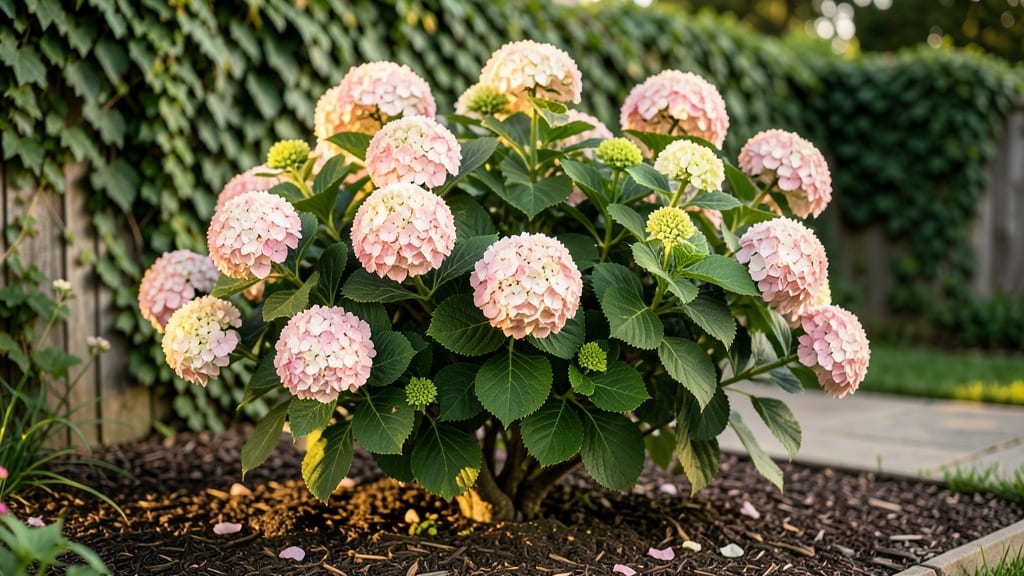
Pink-and-white flowering shrubs transform any garden into a romantic canvas. ✨ These bold color combos create visual drama that lasts from spring through fall, with some varieties even offering winter interest. My favorite pairings—like hydrangeas and lilacs—bring unexpected texture and seasonal shifts that keep the garden exciting year-round.
Think beyond just color: these shrubs add height, structure, and fragrance to your landscape. A mixed border of pink roses and white spirea creates a living tapestry, while a tall lilac hedge offers both privacy and perfume.
The key is layering bloom times—start with early spring lilacs, then add hydrangeas for summer, and finish with late-blooming roses for fall.
You’ll love how these shrubs work together in unexpected ways—pink blooms against white foliage create stunning contrast, while varying heights add depth. A well-placed shrub can anchor a garden bed or soften a fence line, all while attracting pollinators.
The best part? Many of these varieties thrive in partial shade, making them perfect for tricky spots.
For maximum impact, group odd numbers of shrubs (three or five) rather than planting in straight lines. Mix in complementary foliage plants like heuchera or boxwood for texture, and you’ll have a garden that feels lush and intentional. The results? A space that feels both polished and effortlessly natural.
📚 In This Guide
- What you need
- Instructions
- Tips and common mistakes
- Wrapping up and next steps
What you need
- ● Pink & white flowering shrub: Choose varieties like Hydrangea macrophylla (Bigleaf Hydrangea), Weigela florida, or Deutzia—all known for their bold color contrast. Pro tip: 💡 Buy 1–3 mature plants (3–5 ft tall) for instant impact or 5–10 young plants (1–2 ft) for a lush hedge.
- ● High-quality potting soil: 5–10 gallons (depending on plant size), well-draining and rich in organic matter (e.g., Miracle-Gro Premium Potting Mix or FoxFarm Ocean Forest).
- ● Slow-release fertilizer: 1 lb of 10-10-10 or 20-20-20 granules (e.g., Osmocote Smart-Release Plant Food) to nourish roots for 3–6 months.
- ● Mulch: 2–3 cubic feet of pine bark nuggets or shredded cedar mulch to retain moisture and suppress weeds.
- ● Garden trowel or spade: For digging holes (6" wider and deeper than the root ball).
- ● Pruning shears: Sharp, bypass-style shears (e.g., Fiskars Ergo) for shaping and deadheading.
- ● Garden gloves: Heavy-duty, waterproof gloves (e.g., Workrite) to protect your hands.
- ● Watering can or hose with nozzle: For gentle, deep watering (1–2 gallons per plant initially).
- ● Measuring tape: To ensure proper spacing (3–6 ft apart for shrubs, depending on variety).
- ● Epsom salt: 1 tbsp per plant (dissolved in water) to boost pink flower intensity (especially for hydrangeas).
- ● Plant support: Stakes or cages (e.g., Tomato Cage) for tall varieties like Weigela.
- ● Organic pest control: Neem oil spray (1 tsp per gallon of water) for aphids or mites.
- ● Garden kneeler: For comfort during planting or maintenance.
How to plant a striking pink-and-white flower shrub for season-long privacy
This bold duo creates a stunning visual impact while delivering year-round screening—here's how to plant it right.
🌱 Step 1: Choose the Right Pink-and-White Shrub Varieties
For maximum contrast, I recommend pairing Hydrangea macrophylla 'Nikko Blue' (pink blooms) with Abelia 'Kaleidoscope' (white flowers). Both thrive in partial shade to full sun and reach 4-6 feet tall, perfect for privacy hedges. Check your hardiness zone—most of these varieties handle zones 5-9 without fuss.
Look for 2-3 gallon container-grown plants at nurseries in early spring. Avoid bare-root stock unless you're transplanting in late fall. I always inspect the root ball for circling roots—these will strangle the plant if left unpruned. If you find them, gently tease the roots outward with your fingers before planting.
🪴 Step 2: Prepare the Planting Site for Optimal Growth
Select a location with morning sun and afternoon shade—this prevents leaf scorch while ensuring vibrant blooms. Test your soil's pH: hydrangeas prefer 5.5-6.2 (acidic), while abelia thrives in 6.0-7.0 (neutral). Amend heavy clay soil with 3-4 inches of compost mixed into the top 12 inches of soil.
Dig holes twice as wide as the root ball but only as deep as the container. Loosen the roots gently if they're circling. I like to create a mound of native soil in the center of each hole—this helps prevent root rot by improving drainage. Space plants 4-6 feet apart for full coverage within 2-3 years.
☀️ Step 3: Plant and Water for Immediate Establishment
Place each shrub in its hole so the top of the root ball sits 1 inch above ground level. This prevents soil from washing into the stem during watering. Backfill with native soil, tamping lightly every 2 inches to eliminate air pockets. Water deeply until the soil is saturated 12 inches down—you'll know it's right when water pools briefly before draining.
Add a 2-inch layer of mulch (cypress or pine bark) around the base, keeping it 3 inches away from the stem to prevent rot. Water every other day for 2 weeks, then taper to once weekly once new growth appears. The first true leaves should emerge within 3-4 weeks—this is your signal the plant is rooting successfully.
✂️ Step 4: Prune and Maintain for Year-Round Drama
Prune hydrangeas in late winter (before buds swell) by cutting back 1/3 of the oldest stems to the ground. For abelia, prune right after flowering to shape the plant and encourage next year's blooms. I always use clean, sharp bypass pruners and sterilize them with rubbing alcohol between cuts to prevent disease.
Fertilize in early spring with a balanced 10-10-10 formula—hydrangeas need extra phosphorus for blooms, while abelia responds well to a light nitrogen boost. Water deeply once weekly during dry spells, aiming for 1-1.5 inches of moisture. Watch for aphids or powdery mildew—both love these shrubs. Treat with neem oil spray at the first sign of trouble.
🌿 Step 5: Layer for Seasonal Interest and Privacy
Plant evergreen shrubs like boxwood or pieris in the gaps between your pink-and-white stars. These fill in quickly and create a lush, impenetrable barrier. I like to stagger heights—tall hydrangeas in back, mid-height abelia in the middle, and low boxwood in front. This creates depth and texture while ensuring privacy from day one.
Add ornamental grasses like Miscanthus sinensis 'Zebrinus' for movement and contrast. Their golden plumes sway in the breeze, adding a dynamic element to the structured shrubbery. Mulch annually in late fall to protect roots from winter temperature swings. With this combination, you'll have year-round color, texture, and privacy—no boring green hedge in sight.
Tips & tricks for planting a striking pink-and-white flower shrub
Here's what I've learned after transforming my backyard into a vibrant privacy screen—these details make all the difference.
Root Ball Inspection: When you're selecting your 2-3 gallon container-grown plants, pay special attention to the root ball. I've found that gently squeezing the container sides reveals whether roots are circling. If they're tightly bound, use your fingers to carefully loosen them before planting—this prevents future strangulation and encourages outward root growth. It's worth the extra 5 minutes to avoid years of struggling with restricted growth.
Soil Mound Technique: That mound of native soil in the center of each hole isn't just decoration—it's a drainage lifesaver. I've seen too many hydrangeas suffer from root rot because water pools at the bottom. Create this mound first, then place your plant on top before backfilling. The extra effort ensures your shrubs establish properly from day one, especially in heavy clay soils where drainage is critical.
Watering Precision: The instructions mention watering until soil is saturated 12 inches down, but here's the secret: you'll know it's right when water pools briefly before draining. I use a long screwdriver to check depth—this prevents overwatering while ensuring roots get properly hydrated. During those first 2 weeks of establishment, I set a timer to water every other day at the same time each morning to maintain consistency.
Pruning Timing: The difference between vibrant blooms and sparse growth comes down to pruning timing. For hydrangeas, I mark my calendar for late winter pruning—cutting back 1/3 of the oldest stems to the ground gives them room to develop new, flower-bearing wood. For abelia, I wait until right after flowering to shape the plant. I've learned this the hard way: pruning at the wrong time can sacrifice next year's blooms for both varieties.
Pro Tips for Pink And White Flower Shrub
- Here's what I've learned after transforming my backyard into a vibrant privacy screen—these details make all the difference.
- Root Ball Inspection: When you're selecting your 2-3 gallon container-grown plants, pay special attention to the root ball.
- Soil Mound Technique: That mound of native soil in the center of each hole isn't just decoration—it's a drainage lifesaver.
Frequently asked questions
Got questions about adding a pink and white flower shrub to your garden? You’re not alone! Here are some of the most common queries—plus quick, practical answers to help you choose and care for your new privacy-friendly star.
What’s the best pink-and-white flowering shrub for year-round privacy?
If you want both bold blooms and evergreen foliage, consider Camellia (e.g., ‘Yuletide’ or ‘Spring’s Promise’) or Hydrangea varieties like ‘Endless Summer.’ For faster growth, try Weigela (e.g., ‘Wine & Roses’) or Abelia—they thrive in sun or partial shade and pack a punch with their contrasting blooms.
When is the best time to plant a pink-and-white flowering shrub?
Spring or early fall are the sweet spots! Planting in spring (after the last frost) gives roots time to establish before winter, while fall (6–8 weeks before frost) lets them settle in before dormancy. Avoid extreme heat or freezing temps—root shock is a real party pooper.
How much water does a pink-and-white shrub need?
Newly planted shrubs need deep watering 2–3 times per week for the first month, then taper to 1–2 times weekly (or when soil feels dry 2 inches down). Mature shrubs are usually drought-tolerant, but hydrangeas love moisture—mulch helps retain water and keeps roots cool.
What pests or diseases should I watch for?
Common culprits include aphids (sap-sucking pests), powdery mildew (white fungus), and spider mites. Prevent issues with neem oil or insecticidal soap, and treat mildew with fungicide. Prune for airflow—crowded branches = pest paradise!
Can I mix pink-and-white shrubs with other colors for a bold look?
Pair pink hydrangeas with purple lavender or deep red roses for drama. For contrast, try white gardenias next to blue salvia or yellow black-eyed Susans. Pro tip: Height matters—taller shrubs (like Weigela) go back, shorter ones (like Abelia) fill gaps.
Wrapping up and next steps
Adding a pink and white flower shrub to your landscape isn’t just about beauty—it’s about creating a dramatic, year-round statement that thrives with minimal fuss. From bold color contrasts to natural privacy, these shrubs bring effortless elegance and resilience to any garden.
Whether you’re a seasoned gardener or just starting, now’s the perfect time to plant, prune, or admire your floral masterpiece!
Next step: 🌱 Pick your favorite variety (like Weigela or Hydrangea) and sketch a simple planting plan—your future garden will thank you!