
Shrubs
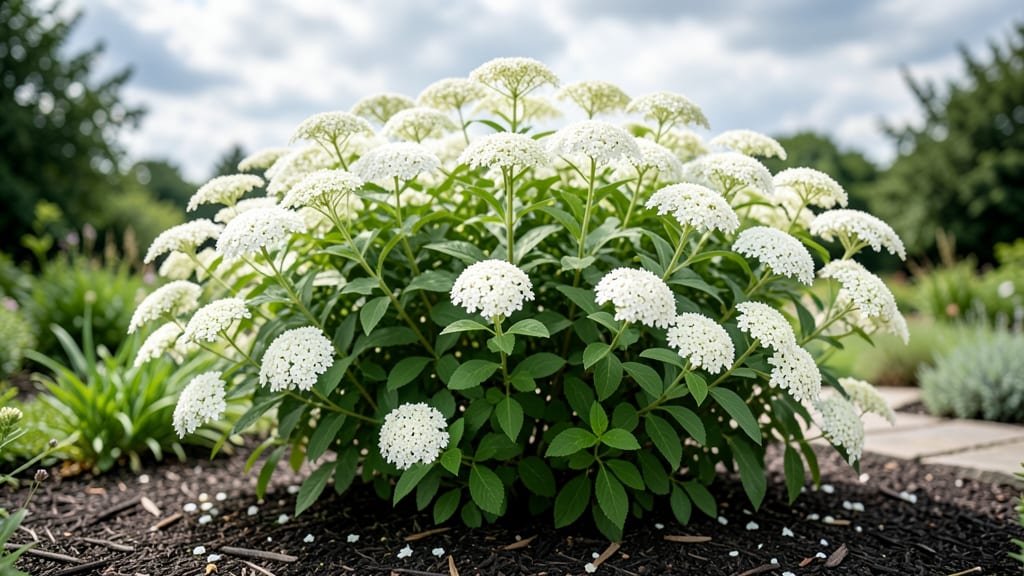
Growing white spirea shrubs means year-round fragrance and effortless beauty. ✨ These hardy plants thrive with minimal fuss, offering delicate white blooms that perfume the air from spring through summer. My first spirea bush still stands after five years, needing only occasional pruning to keep its shape.
The secret lies in well-draining soil and full sun exposure—plant in spring or fall when temperatures are mild. Water deeply once established, and you’ll see those signature cloud-like blossoms appear reliably. Even better, the foliage turns golden in autumn, extending its ornamental value through the seasons.
Pruning becomes simple once you understand the science: cut back one-third of old growth each year to encourage fresh, fragrant blooms. This shrub handles neglect beautifully, making it perfect for busy gardeners who still want a showstopping display. With proper placement, it becomes the fragrant backbone of any landscape.
📚 In This Guide
- What you need
- Instructions
- Tips and common mistakes
- Wrapping up and next steps
What you need
- ● White Spirea Shrub: 1-3 nursery-grown plants (choose Spiraea alba or Spiraea ‘Goldmound’ for best results).
- ● Garden Soil: Well-draining, slightly acidic to neutral (pH 6.0–7.0). Amend with compost if needed.
- ● Fertilizer: Slow-release granular fertilizer (10-10-10 ratio) or organic options like composted manure.
- ● Mulch: 2–3 inches of organic mulch (e.g., shredded bark or pine straw) to retain moisture.
- ● Pruning Shears: Bypass pruners (sharp, clean, and sterilized with rubbing alcohol).
- ○ Loppers: For thicker stems (optional but helpful for mature shrubs).
- ● Gloves: Heavy-duty gardening gloves to protect from thorns.
- ● Hose or Watering Can: For post-pruning hydration.
- ○ Disinfectant Spray: (Optional) To prevent disease spread between cuts.
- ● A sunny location with 4–6 hours of direct sunlight daily.
- ● Space for the shrub to grow: 3–5 feet wide and tall (varies by variety).
- ● Access to water for deep, infrequent watering (1–1.5 inches per week).
- ● Patience! White spirea thrives with consistent care but rewards you with year-round interest.
Step-by-step instructions for planting and pruning white spirea
Here's how to establish your shrubs for maximum fragrance and bloom—no guesswork involved.
🌱 Step 1: Select and Prepare the Planting Site
White spirea thrives in full sun to partial shade, with at least 6 hours of direct sunlight daily. Choose a location with well-draining soil—this shrub hates soggy roots. I always test drainage by digging a 12-inch deep hole and filling it with water; if it drains in under an hour, the site is perfect.
Amend heavy clay soil with 2-3 inches of compost mixed into the top 12 inches of soil. Spirea tolerates a range of soil types but performs best in slightly acidic to neutral pH (6.0-7.0). A simple soil test kit confirms the pH before planting—this prevents future nutrient deficiencies that stunt growth.
🪴 Step 2: Plant at the Correct Depth and Spacing
Dig a hole twice as wide as the root ball but only as deep as the container height. Gently remove the shrub from its container and loosen any circling roots with your fingers—this encourages outward root growth. Place the plant in the hole so the top of the root ball sits 1 inch below soil level.
Backfill with native soil mixed with 1/3 compost, tamping lightly every 2 inches to eliminate air pockets. Space plants 4-6 feet apart to allow airflow and prevent fungal diseases. Water deeply immediately after planting to settle the soil and eliminate air gaps around the roots.
✂️ Step 3: First Pruning for Shape and Airflow
Prune immediately after planting to remove any broken branches or those rubbing against others. Use clean, sharp pruners to make 45-degree cuts just above an outward-facing bud. This encourages fuller growth and prevents disease entry points. I always sanitize my pruners with rubbing alcohol between cuts.
Shape the shrub into a slightly rounded form, removing any inward-growing branches. The goal is to create an open center that allows sunlight and air to circulate. Avoid heavy pruning now—wait until early spring for major shaping. You'll see new growth emerging within 2-3 weeks if the plant is established correctly.
☀️ Step 4: Seasonal Maintenance for Continuous Bloom
Prune late winter to early spring (just before new growth begins) to shape the shrub and encourage abundant flowering. Remove up to 1/3 of the oldest wood each year to maintain vigor. Cut back to 1/4 inch above a bud or a strong branch junction—never leave stubs.
After flowering, trim back spent blooms by 1/2 to 1/3 to promote bushier growth. This rejuvenation pruning prevents leggy stems and keeps the shrub compact. Water deeply once weekly during dry spells, but avoid overwatering—spirea is drought-tolerant once established.
⏰ Step 5: Winter Protection for Cold Climates
In zones with below 0°F temperatures, apply a 2-3 inch layer of mulch around the base after the ground freezes. Use shredded bark or straw—never pile mulch against the stems. This protects roots from extreme cold while allowing moisture to penetrate.
Young plants (3 years or younger) benefit from wrapping the crown with burlap or frost cloth during harsh winters. Remove protective materials in early spring once new growth appears. Prune out any winter-damaged branches in late winter before new growth begins.
Tips & tricks for perfect white spirea shrub establishment
Here's what nobody tells you about getting your spirea off to the right start—these are the details that make all the difference.
Soil Preparation Matters: That 12-inch deep drainage test is non-negotiable. If water pools after an hour, you're dealing with compacted soil that will suffocate roots. I've seen spirea plants struggle in "well-draining" soil that failed this test—don't skip it! For heavy clay, mix in that 2-3 inches of compost all the way down to 12 inches. The roots will thank you with vigorous growth.
Root Ball Placement: The 1-inch below soil level rule isn't arbitrary—it prevents crown rot while ensuring roots have access to moisture. I've made the mistake of planting too deep, and the plant took months to recover. Use a level to check placement before backfilling. That 1/3 compost mix in the backfill creates the perfect balance of nutrients and aeration.
Pruning Precision: Those 45-degree cuts above outward-facing buds aren't just for looks—they direct growth patterns. I learned this the hard way when my first pruning attempt left stubs that invited disease. Use a sharp pencil to mark your cut line before making the cut. The goal is to create a natural, open vase shape that lets sunlight penetrate to the center.
Seasonal Timing: That late winter to early spring pruning window is critical—it's when the plant is dormant but about to burst with new growth. I've seen gardeners prune too early and miss the bloom, or too late and stress the plant. Look for swollen buds as your cue that it's time. The 1/3 oldest wood removal keeps the plant rejuvenated without shocking it.
Pro Tips for White Spirea Shrub
- Here's what nobody tells you about getting your spirea off to the right start—these are the details that make all the...
- Soil Preparation Matters: That 12-inch deep drainage test is non-negotiable. If water pools after an hour, you're dea...
- Root Ball Placement: The 1-inch below soil level rule isn't arbitrary—it prevents crown rot while ensuring roots have...
Frequently asked questions
Got questions about growing and maintaining your white spirea shrub?
Here are some of the most common ones—plus expert answers to keep your shrub thriving year-round!
When is the best time to prune white spirea for maximum blooms?
The ideal time to prune white spirea is late winter or early spring, just before new growth begins. This encourages fresh, vibrant blooms for spring and summer. Avoid pruning in fall, as it can reduce next year’s flowers. For a tidy look, you can also do a light trim after blooming, but focus on shaping rather than heavy cuts.
How often should I fertilize my white spirea shrub?
White spirea is low-maintenance but benefits from a balanced, slow-release fertilizer in early spring. Apply it lightly around the base—avoid overdoing it, as too much fertilizer can harm the plant. A 10-10-10 or 20-20-20 formula works well. Skip fertilizing in fall or winter to let the shrub rest.
Why aren’t my white spirea blooms as abundant as they used to be?
Fewer blooms often signal over-pruning, poor nutrition, or shade stress. Check if your shrub gets at least 6 hours of sunlight daily. If pruning was too aggressive (cutting into old wood), the plant may struggle to rebloom. Try a light fertilizer and prune only 1/3 of the oldest stems next time to encourage new growth.
Can I grow white spirea in containers, or is it better in the ground?
Yes! White spirea thrives in containers as long as the pot is at least 18 inches wide with drainage holes. Use a well-draining potting mix and water consistently—containers dry out faster than ground soil. Place it in a sunny spot, and repot every 2-3 years to refresh the soil. Just be mindful that container-grown spirea may need more frequent pruning to control size.
What are some hardy alternatives to white spirea for cold climates?
If you love white spirea but need even more cold tolerance, consider these tough shrubs:
- Dwarf ninebark (Physocarpus opulifolius) – Thrives in zones 2-7, with white flowers and glossy foliage.
- Potentilla (Dasiphora fruticosa) – Hardy to zone 3, blooms profusely, and handles drought well.
- Weigela (Weigela florida) – Zones 4-8, with fragrant blooms and vibrant foliage.
Wrapping up and next steps
The white spirea shrub is a low-maintenance, fragrant beauty that rewards patience with stunning blooms and year-round charm.
By mastering the science of pruning—like timing cuts to encourage new growth and shaping for optimal airflow—you’ll keep your shrub thriving for seasons to come. Ready to transform your garden? Grab your shears and get pruning—your spirea’s next chapter of blooms starts with you! 🌸✂️
- Next step: Mark your calendar for late winter or early spring and start pruning with confidence!