
Shrubs
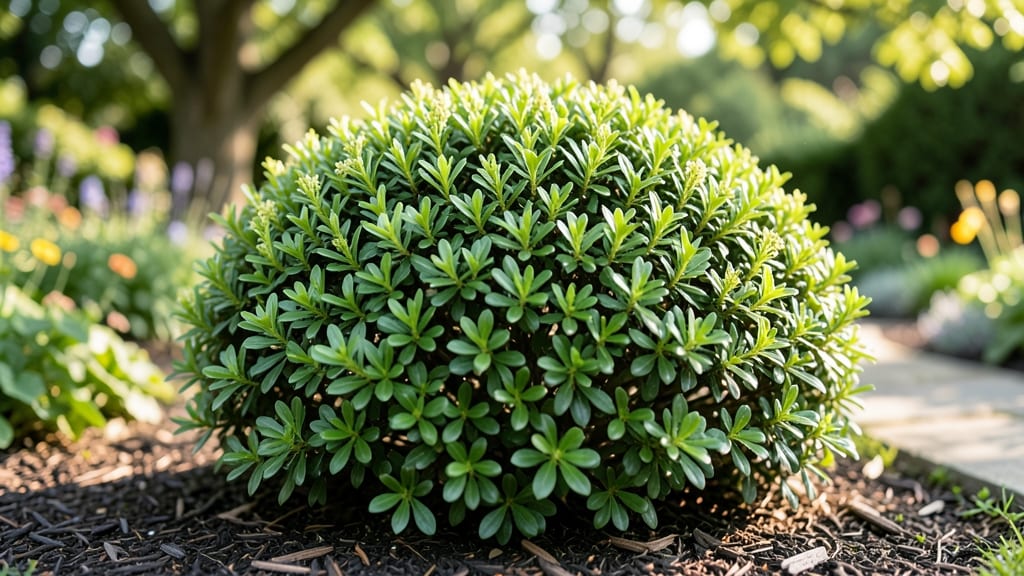
Low growth shrubs transformed my backyard from a patchwork of weeds to a lush, privacy-proof haven—all without the annual shearing marathon. 🌿 These compact powerhouses pack ornamental punch with minimal fuss, whether you're framing a cottage garden or creating a sleek modern border.
The best part? They stay tidy naturally, so you can focus on enjoying your outdoor space instead of wrestling with runaway branches.
Think evergreen like boxwood or dwarf holly for year-round structure, or deciduous options like abelia or potentilla for seasonal color bursts. I pair mine with ornamental grasses for texture contrast and perennials like lavender for fragrance—layering plants creates depth while keeping maintenance low.
Most thrive in full sun to partial shade, and their slow growth means you’ll only need light pruning every few years (if at all).
Your garden will gain clean lines, soft edges, and that "finished look" without the upkeep. These shrubs play well in containers too, perfect for patios or small spaces. The key is spacing them correctly at planting—check the mature width on the tag—and giving them time to fill in.
Before you know it, you’ll have a polished, low-maintenance landscape that feels like a five-star retreat.
Whether you’re masking an unsightly fence or adding architectural interest to a modern design, these shrubs deliver. Start with one or two as test plants, then expand based on what thrives in your climate. The payoff? A garden that looks intentional, not labor-intensive. Let’s get planting!
📚 In This Guide
- What you need
- Instructions
- Tips and common mistakes
- Wrapping up and next steps
What you need
- ● Low-growth shrubs: 3–5 plants per 10-foot section (e.g., Dwarf Boxwood, Japanese Holly, or Abelia). Choose based on your climate zone.
- ● Potting soil or native soil mix: 1–2 bags (50 lbs each) for planting. Opt for well-draining, organic-rich soil.
- ● Mulch: 2–3 cubic feet of shredded bark or pine straw to retain moisture and suppress weeds.
- ● Garden gloves: 1 pair (nitrile-coated for durability).
- ● Hand trowel or spade: 1 (6–8" for precision, 12" for larger shrubs).
- ● Watering can or hose with nozzle: 1 (for gentle, deep watering).
- ● Measuring tape: 1 (to space plants 2–4 feet apart, depending on variety).
- ● Pruning shears: 1 pair (bypass blades for clean cuts).
- ○ Stakes (optional for support): 2–4 bamboo or plastic stakes (if planting in windy areas).
- ● Slow-release fertilizer: 1–2 tablets or granules (e.g., Osmocote) for nutrient boost.
- ● Plant food (balanced 10-10-10 or shrub-specific):** 1 bottle for post-planting care.
- ● Soil pH test kit: 1 (to ensure optimal growing conditions, especially for acid-loving shrubs like Azaleas).
- ● Drip irrigation system: 1 (for automated watering in larger gardens).
- ● Edging tools: 1 (to define garden beds neatly).
How to select and plant low-growth shrubs for privacy
Let’s create a lush, low-maintenance privacy screen that thrives year-round.
🌱 Step 1: Choose the Right Shrubs for Your Climate
Start by selecting shrubs that match your USDA hardiness zone and sunlight conditions. For full sun (6+ hours), consider Dwarf Fothergilla or Abelia—both stay under 3 feet tall while offering vibrant fall foliage. In partial shade, Dwarf Boxwood or Inkberry Holly thrive with minimal height (2–3 feet) and dense growth.
Check each plant’s mature spread—some, like Dwarf Lilac, grow only 3–4 feet wide, while others like Dwarf Gardenia reach 4–5 feet. I always sketch a rough layout to avoid overcrowding. Group plants with similar water needs together for easier maintenance.
🪴 Step 2: Prepare the Planting Site
Dig holes twice as wide as the root ball but no deeper—this encourages roots to spread horizontally for stability. Amend the native soil with compost (if your soil is heavy clay) to improve drainage. If planting in full sun, add a 2-inch layer of mulch (like pine bark) around the base to retain moisture and regulate soil temperature.
Space shrubs 3–6 inches apart if planting in groups for a seamless hedge. For single specimens, follow the plant tag’s spacing guidelines—Dwarf Boxwood needs 3–4 feet between plants, while Inkberry Holly can handle 4–5 feet. Avoid planting too close; competition leads to stunted growth.
☀️ Step 3: Plant and Water for Immediate Stability
Gently remove the shrub from its container and loosen any circling roots with your fingers. Place it in the hole so the top of the root ball sits level with the surrounding soil—burying too deep can suffocate the plant. Backfill with native soil (or amended mix) and press lightly to eliminate air pockets.
Water deeply (about 1 gallon per plant) to settle the soil. Newly planted shrubs need consistent moisture for the first 2–3 weeks, but avoid soggy soil—root rot is the #1 killer of low-growth shrubs. After watering, add another 1–2 inches of mulch, keeping it 3 inches away from the stem to prevent rot.
✂️ Step 4: Prune for Shape and Health
Wait 6–8 weeks after planting before pruning—this gives roots time to establish. For formal hedges, use sharp shears to trim just above a leaf node at a 45-degree angle. For natural shapes, simply remove dead or crossing branches. Never cut into old wood (woody stems without leaves)—it won’t regrow.
Prune early spring (before new growth) or late fall (after leaf drop) for best results. Low-growth shrubs like Dwarf Fothergilla respond well to light shaping, while Inkberry Holly tolerates minimal pruning—just remove straggly stems. Avoid heavy pruning in summer; it stresses the plant and invites pests.
🌿 Step 5: Maintain for Long-Term Privacy
Water deeply once a week (or more in extreme heat) for the first year, then taper to every 2–3 weeks once established. Fertilize lightly in spring with a balanced 10-10-10 formula—low-growth shrubs don’t need heavy feeding. Over-fertilizing leads to leggy, weak growth.
Monitor for pests like spider mites (common on Boxwood) or scale insects (on Holly). Treat early with neem oil or insecticidal soap—prevention is easier than recovery. In winter, add extra mulch (up to 3 inches) to protect roots from freeze-thaw cycles, especially in colder zones.
Tips & tricks for perfect low-growth shrub privacy screens
These pro insights will help you create a thriving, low-maintenance privacy hedge that stays compact and lush for years.
Selection Tip: When choosing shrubs in Step 1, prioritize those with dense growth habits—look for varieties labeled "compact" or "miniature" on plant tags. For example, Dwarf Gardenia may reach 4-5 feet wide, but its fragrant blooms make it worth the space. I always check the mature height listed on the tag to avoid surprises—some "dwarf" varieties can still grow taller than expected, especially in optimal conditions.
Planting Layout Strategy: Before digging, sketch your planting area to scale using graph paper or a digital tool. Mark each shrub's mature spread (not just height) to visualize the final look. This prevents overcrowding and ensures you'll get full coverage without gaps. For example, placing Dwarf Boxwood 3-4 feet apart creates a seamless hedge once established, while Dwarf Lilac needs more space due to its 3-4 foot spread.
Root Health Secret: In Step 2, when loosening circling roots, don't just pull at them—gently tease them apart with your fingers. This prevents root damage that can stress the plant. For container-grown shrubs, I also score the bottom of the root ball with a knife to encourage new roots to grow outward. This single step dramatically improves stability and growth rate, especially for Inkberry Holly which can be finicky about root disturbance.
Watering Wisdom: The first 2-3 weeks after planting are critical—don't rely on rain alone. I recommend using a soaker hose placed at the base of the plants to deliver water slowly and evenly. This prevents surface runoff and ensures moisture reaches the roots where it's needed most. For containers, water until it drains from the bottom holes—shrubs in pots dry out faster than those in ground.
Pro Tips for Low Growth Shrubs
- These pro insights will help you create a thriving, low-maintenance privacy hedge that stays compact and lush for years.
- Selection Tip: When choosing shrubs in Step 1, prioritize those with dense growth habits—look for varieties labeled "compact" or "miniature" on plant tags.
- Planting Layout Strategy: Before digging, sketch your planting area to scale using graph paper or a digital tool.
Frequently asked questions
Got questions about low-growth shrubs?
You’re not alone! Here are answers to the most common ones to help you pick the perfect plants for your space.
What are the best low-growth shrubs for full sun exposure?
If your yard gets lots of sunlight, opt for drought-tolerant varieties like Dwarf Boxwood or Abelia. Both thrive in full sun with minimal watering once established. Lantana is another great choice—it blooms year-round in warm climates and stays compact (3–5 feet tall).
How long does it take for low-growth shrubs to fill out?
Most low-growth shrubs take 1–3 years to reach their mature size, depending on the species and growing conditions. Dwarf Lilac and Japanese Holly are faster (1–2 years), while Boxwood may take 3 years for full coverage. Patience pays off—consistent watering and mulching speed up the process!
Do low-growth shrubs need pruning, and when is the best time?
Most low-growth shrubs require minimal pruning, but timing matters! Prune after flowering (late spring/early summer) for most varieties. Boxwood and Abelia can handle light shaping in early spring. Avoid heavy pruning in fall—it can stimulate tender new growth that won’t survive winter.
Can I use low-growth shrubs as a hedge for year-round privacy?
Shrubs like Dwarf Fothergilla (3–4 feet tall) or Emerald Green Arborvitae (2–3 feet) create dense, evergreen hedges with almost no maintenance. For color, mix in Dwarf Ninebark (red stems in winter) or Dwarf Yew (dark green and tidy). Just space them 12–18 inches apart for a seamless look.
Are low-growth shrubs deer-resistant?
Some are! Boxwood, Japanese Holly, and Lantana are often deer-resistant due to their tough leaves or bitter taste. However, no plant is 100% deer-proof. For extra protection, use repellents or plant them near deer-unfriendly neighbors like Russian Sage or Lavender.
Wrapping up and next steps
Low growth shrubs are the perfect solution for adding year-round privacy with minimal effort—ideal for busy gardeners or small spaces! 🌿 Whether you’re drawn to the elegance of boxwoods, the hardiness of dwarf lilacs, or the texture of creeping junipers, these plants deliver beauty without the upkeep.
With the right placement and a little care, you’ll enjoy a lush, low-maintenance screen that thrives in any season.
Ready to transform your space? Start small: Pick one or two shrubs that fit your climate and style, then watch your privacy oasis grow—effortlessly! 🌱