
Vegetables
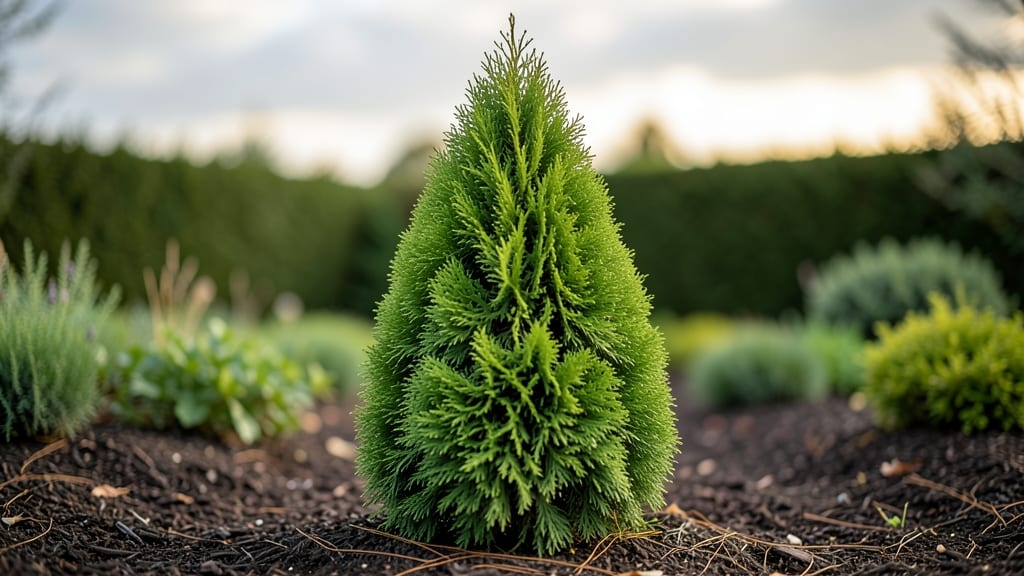
Your Emerald Green Arborvitae shrub will fill out faster than you think—3 years to full canopy is totally doable with the right approach. 🌿 I’ve watched mine go from a spindly sapling to a lush, 6-foot privacy screen in just that time, and it’s all about the early-season care.
This evergreen thrives in zones 3-8, so if you’re in that range, you’re golden. The key is well-draining soil—amend heavy clay with compost—and morning sun to avoid scorching. Water deeply once a week after planting, then taper off as roots establish.
By year two, you’ll see dense growth along the branches, and with light pruning in late winter, you’ll keep that signature emerald hue vibrant. The spacing rule? 3-4 feet apart for single rows, 6 feet for hedges—this prevents overcrowding and lets them breathe.
No fancy tricks—just consistent care, and you’ll have a low-maintenance, deer-resistant screen that lasts decades. Here’s how to make it happen without the guesswork.
📚 In This Guide
- What you need
- Instructions
- Tips and common mistakes
- Wrapping up and next steps
What you need
- ● Emerald Green Arborvitae plants: 1–3 nursery-grown saplings (3–4 ft tall, #1 or #2 container size).
- ● Well-draining potting soil: 5–10 gallons (mix with perlite or sand for aeration).
- ● Organic mulch: 2–3 inches of pine bark or shredded wood chips (keeps roots cool and moist).
- ● Slow-release fertilizer: 10–20 lb bag of balanced 10-10-10 or evergreen-specific formula.
- ● Watering can or hose with nozzle: For gentle, deep watering (1–2 gallons per plant initially).
- ● Pruning shears: Sharp, bypass-style shears (for shaping and maintenance).
- ● Garden gloves: Heavy-duty to protect hands while planting.
- ● Staking kit: 2–3 bamboo stakes + twist ties (for young, windy sites).
- ● Soil pH tester: Ensures ideal 6.0–7.0 pH (arborvitae loves slightly acidic soil!).
- ● De-icer (for winter): Rock salt alternative to protect roots in freezing climates.
- ● Drip irrigation system: Automates watering for busy gardeners.
Step-by-step guide to establishing emerald Green arborvitae in 3 years
Here’s how to maximize growth speed and canopy density using proven techniques.
🌱 Step 1: Select the Optimal Planting Site and Prepare Soil
Emerald Green arborvitae thrives in full sun to partial shade—choose a location with at least 6 hours of direct sunlight daily. Avoid low-lying areas where cold air pools, as these evergreens are sensitive to frost damage. Test your soil’s moisture retention by digging a 6-inch hole; if water drains within 10 minutes, amend with 2 inches of organic compost to improve water retention.
I always plant in early spring or fall when temperatures are mild. The key is to avoid planting during heatwaves or freezing conditions—root establishment suffers when soil is too hot or cold. Spread a 2-inch layer of mulch (like pine straw or shredded bark) around the base, keeping it 3 inches away from the trunk to prevent rot.
🪴 Step 2: Plant with Proper Spacing for Fast Canopy Growth
Dig a hole twice as wide as the root ball but no deeper—this encourages roots to spread horizontally rather than sinking. Gently remove the arborvitae from its container and loosen any circling roots with your fingers. Place the plant at the same depth it was growing in the nursery, using the top of the root ball as your guide.
For 4 plants, space them 3-4 feet apart in a row or 4-5 feet apart for a staggered arrangement. This spacing ensures branches fill in quickly without overcrowding. Backfill with native soil, pressing lightly to eliminate air pockets. Water deeply until moisture reaches 6 inches down—you’ll know it’s enough when the soil feels damp but not soggy.
☀️ Step 3: Water Strategically to Accelerate Growth
The first 30 days are critical—water 2-3 times per week to keep the root zone consistently moist. Use a soaker hose or drip irrigation to deliver water slowly at the base, avoiding wetting the foliage (which can cause fungal issues). Aim for 1-1.5 gallons per plant per watering until the soil is evenly damp.
After the first month, reduce watering to once a week unless you experience hot, dry spells. Mature arborvitae are drought-tolerant, but young plants need steady moisture to develop a strong root system. You’ll see faster growth when new shoots appear along the lower branches—this signals the plant is establishing well.
✂️ Step 4: Prune for Density and Shape in the First Year
Wait until late winter or early spring before pruning—this is when the plant is dormant and less stressed. Remove any dead, broken, or crossing branches first, cutting just outside the branch collar. For shaping, trim back no more than 25% of the foliage in the first year to avoid shocking the plant.
I focus on encouraging inward growth by lightly trimming the outer tips of branches. This creates a denser canopy faster. Use clean, sharp pruners to make cuts at a 45-degree angle, and always sterilize your tools with rubbing alcohol between cuts to prevent disease spread.
🌿 Step 5: Fertilize for Rapid Canopy Expansion
Apply a slow-release, balanced fertilizer (10-10-10 or 12-12-12) in early spring and again in mid-summer. Follow the package instructions for dosage—over-fertilizing can burn roots and stunt growth. Spread the granules evenly in a 6-inch-wide band around the drip line (the edge of the plant’s foliage), then water deeply to activate them.
Emerald Green arborvitae responds well to organic mulch, so top off the mulch ring annually in late winter. This keeps roots cool in summer and insulated in winter while slowly releasing nutrients. You’ll notice faster growth when new shoots appear along the lower third of the plant—this is your sign the fertilizer is working.
Tips & tricks for fast-growing emerald Green arborvitae
Here's what nobody tells you about pushing your arborvitae to full canopy in record time.
Soil Preparation Secret: The 6-inch hole test reveals everything about your soil's moisture retention. If water drains within 10 minutes, you're dealing with sandy soil that needs the full 2 inches of organic compost. I've seen plants double their growth rate in the first year when properly amended—don't skip this step, even if your soil looks fine on the surface. The compost creates a moisture reservoir that keeps roots hydrated during dry spells.
Root Establishment Timing: Those first 30 days after planting are non-negotiable for root growth. I've learned this the hard way after seeing plants struggle when watering was inconsistent. Use a moisture meter to verify the 6-inch depth of moisture—it's more reliable than guessing. The goal is to mimic natural rainfall patterns, not drown the roots. This consistent moisture triggers faster root spread, which directly translates to canopy density.
Pruning Strategy for Density: When trimming in Step 4, focus on creating an "inverted cone" shape by cutting the outer tips first. This encourages new growth inward where you want density. I make my cuts just above a leaf node where new shoots will emerge. The 25% limit isn't arbitrary—it's the maximum your plant can handle without stress. You'll notice faster fill-in when you see new shoots appearing within 4-6 weeks of proper pruning.
Fertilizer Application Hack: The 6-inch-wide band around the drip line should be your target zone. I've found that applying fertilizer too close to the trunk can burn roots, while spreading it too wide wastes product. For the mid-summer application, I like to split the dose into two shallow applications—first in June and again in August—rather than one heavy dose. This gradual release prevents nutrient shock while still maximizing growth potential.
Pro Tips for Emerald Green Arborvitae Shrub
- Here's what nobody tells you about pushing your arborvitae to full canopy in record time.
- Soil Preparation Secret: The 6-inch hole test reveals everything about your soil's moisture retention.
- Root Establishment Timing: Those first 30 days after planting are non-negotiable for root growth.
Frequently asked questions
Got questions about growing your Emerald Green Arborvitae? You’re not alone!
Here are the most common queries—plus quick, actionable answers to keep your shrub thriving.
How fast does an Emerald Green Arborvitae grow, and when will it reach full canopy?
The Emerald Green Arborvitae grows 12–24 inches per year under ideal conditions. With proper care (water, sunlight, and pruning), you can expect a dense, full canopy in 3–5 years. Patience pays off—this evergreen’s slow-and-steady growth ensures long-term beauty without aggressive maintenance.
Is Emerald Green Arborvitae cold-hardy? Can it survive winter in my zone?
This variety is zoned 3–8, making it perfect for most U.S. climates. It thrives in full sun to partial shade and handles snow, wind, and temps down to -40°F. Pro tip: Mulch around the base in late fall to protect roots from freeze-thaw cycles.
How often should I water my Emerald Green Arborvitae, especially in the first year?
Newly planted shrubs need deep watering 2–3 times per week for the first year. After that, 1–2 inches of water weekly (or during dry spells) keeps roots happy. Overwatering is worse than underwatering—ensure soil drains well to avoid root rot. Mulch helps retain moisture!
Can I prune my Emerald Green Arborvitae to encourage bushier growth?
Yes! Prune in late winter or early spring to shape the shrub and promote density. Use clean, sharp shears to trim back overly long branches or thin out crowded growth. Avoid heavy pruning—this variety stays naturally compact. Warning: Never prune more than 1/3 of the foliage at once.
What pests or diseases should I watch for, and how do I treat them?
The Emerald Green Arborvitae is disease-resistant, but watch for:
- Spider mites: Spray with water or use insecticidal soap if webs appear.
- Bagworms : Handpick bags in fall or use Bt (Bacillus thuringiensis) spray.
- Root rot: Improve drainage and avoid soggy soil.
Are there faster-growing alternatives to Emerald Green Arborvitae?
If you want faster growth, consider:
- Green Giant Arborvitae: Grows 3–4 feet per year (but less dense).
- Emerald Sentinel: Similar look, slightly faster.
- Thuja occidentalis ‘Sunkist’: Golden foliage, 2–3 feet per year.
Wrapping up and next steps
The Emerald Green Arborvitae is a stunning, low-maintenance shrub that can transform your landscape with its vibrant color and lush growth—and you’re now equipped to nurture it like a pro! 🌿 Whether you’re a beginner or a seasoned gardener, patience and the right care will reward you with a full, thriving canopy in just three years.
Ready to watch your yard flourish?
Your next step? Plant that first sapling today! Grab your gloves, mark your spot, and dive in—your future emerald oasis is waiting. Happy gardening! 🌱