
Succulent
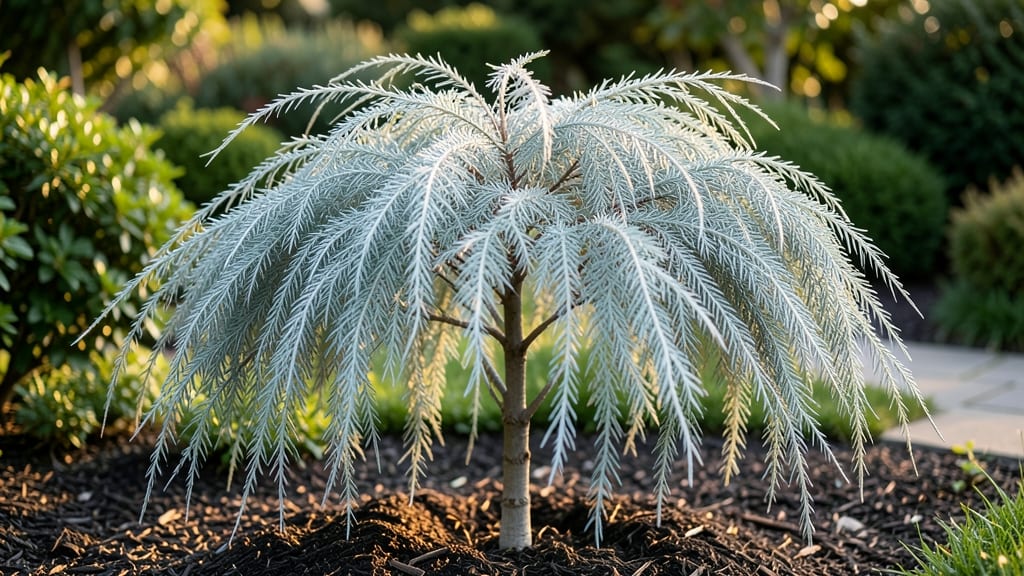
Your Arctic Blue Willow shrub could be the showstopper of your garden by next spring—if you prune it right now. ✨ This silvery-blue beauty thrives with just a few key tricks: the right soil, smart watering, and that late-winter haircut that makes all the difference.
I’ve watched mine go from scraggly to stunning in just a few months after learning these secrets.
Here’s the deal: Arctic Blue Willows love moist but well-draining soil—think of it as a damp sponge, not a swamp. They’ll handle partial shade but really light up in full sun, where those iconic blue-green leaves shimmer like frost on glass.
Watering’s simple too: keep the roots consistently damp in their first year, then let them tell you what they need.
That late-winter pruning? It’s your secret weapon. Cut back one-third of the oldest stems to encourage fresh, vibrant growth. The result? A lush, rounded canopy by spring that looks like it belongs in a botanical garden. Plus, it’s disease-resistant and deer-proof—perfect for low-maintenance spaces.
Whether you’re shaping it as a hedge, a standalone focal point, or even training it into a small tree, this shrub adapts beautifully. Just watch for powdery mildew (wipe leaves with neem oil if you see it) and you’ll have a decades-long performer.
Ready to make yours the envy of the neighborhood?
📚 In This Guide
- What you need
- Instructions
- Tips and common mistakes
- Wrapping up and next steps
What you need
- ● Pruning shears: Sharp, bypass-style shears (for clean cuts) or anvil-style for thicker branches. (1 pair)
- ● Loppers: For branches ½-inch to 2-inches thick. (1 pair)
- ● Pruning saw: For branches thicker than 2-inches. (1)
- ● Disinfectant: 70% isopropyl alcohol or rubbing alcohol to sterilize tools. (small bottle)
- ● Garden gloves: Heavy-duty, cut-resistant gloves for protection. (1 pair)
- ● Trash bag or bucket: For collecting pruned branches. (1-2)
- ● Hose or water source: To clean tools and rinse off sap.
- ● Pruning sealant: For larger cuts to prevent disease (e.g., tree wound pruning paste).
- ● Ladder or stool: If your shrub is tall or hard to reach.
- ● Notebook & pen: To sketch a rough map of branches before pruning.
- ● Safety glasses: If working with thick branches or debris.
Step-by-step guide to late-winter pruning for Arctic Blue Willow shrubs
Here’s how I transform my Arctic Blue Willows into showstopping spring specimens—every cut counts.
⏰ Step 1: Time Your Prune for Late Winter’s Dormant Phase
Prune your Arctic Blue Willow in late winter, just as buds begin to swell but before new growth starts. Aim for mid-February to early March in most climates—this timing ensures you remove dead wood while leaving enough energy for spring’s vibrant foliage. I check the weather forecast first; a warm spell can trick the shrub into premature growth, so avoid pruning if temperatures hover above 40°F.
Look for dormant branches—they’ll be brown, brittle, or completely devoid of leaves. These are the ones to remove first. Healthy branches still have a slight green tint at the base of buds, so I leave those alone. This step sets the foundation for a fuller, more colorful canopy later.
✂️ Step 2: Sterilize Tools and Remove Dead or Damaged Wood
Before you make a single cut, sterilize your pruners with rubbing alcohol or a 10% bleach solution. This prevents spreading disease between cuts—trust me, I’ve learned the hard way. Start by removing any dead, diseased, or crossing branches. Dead wood is easy to spot: it snaps cleanly when bent, while healthy branches bend slightly before breaking.
For crossing branches, remove the one growing inward or upward—this opens up the center of the shrub for better airflow and sunlight penetration. I like to step back every few cuts to visualize the shape. The goal is to maintain that weeping, cascading form that makes Arctic Blue Willows so striking. Use sharp pruners to make clean cuts at a 45-degree angle, about ¼ inch above a bud or lateral branch.
🌿 Step 3: Thin Out Overcrowded Areas for Airflow and Light
Arctic Blue Willows can get dense, especially if they’ve been neglected. Thin out one-third of the oldest stems to encourage new growth from the base. Focus on branches that are thinner than a pencil—these are often the most vigorous and will fill in gaps beautifully. I remove them at the base, just above a healthy bud or lateral branch.
Pay special attention to the center of the shrub. If it’s too crowded, new growth will be weak and leggy. You’ll know you’ve done it right when you can see light filtering through the canopy and buds along the remaining branches. This step is where the magic happens—your shrub will reward you with lush, vibrant foliage come spring.
☀️ Step 4: Shape for Balance and Encourage New Growth
Now it’s time to refine the shape. Arctic Blue Willows naturally grow in a weeping, fountain-like form, so I aim to enhance that silhouette. Trim back any branches that are growing too upright or outward to maintain that graceful arc. Use your pruners to shorten long branches by about one-third, cutting just above a bud that faces the direction you want new growth to go.
For a fuller look, I make light cuts on the outer edges to encourage branching. Avoid heavy pruning here—you don’t want to sacrifice next year’s blooms or foliage. Step back frequently to check your progress. The ideal shape should look balanced and natural, not like you’ve hacked it into a perfect cone. Once you’re happy, give the shrub a light watering to help it recover from the stress of pruning.
🪴 Step 5: Clean Up and Apply Fertilizer for Spring Growth
After pruning, remove all debris from the area—this includes fallen branches, clippings, and any leaves. I use a tarp to collect everything and dispose of it in the trash, not the compost. Willow debris can harbor pests or diseases that you don’t want lingering near your shrub.
Spread a balanced, slow-release fertilizer around the base of the shrub, following the package instructions. I like to use a 10-10-10 or 20-20-20 formula in early spring to give the Willow a nutrient boost. Water the soil thoroughly to help the fertilizer penetrate. This final step ensures your shrub has everything it needs to burst into vibrant blue-green foliage as soon as the weather warms up.
Tips & tricks for late-winter pruning of Arctic Blue Willow shrubs
Transforming your Arctic Blue Willow into a stunning spring showpiece starts with these essential pruning insights—each one makes all the difference.
Timing is Everything: The mid-February to early March window is non-negotiable for Arctic Blue Willows. I've learned this the hard way—pruning too early can expose the shrub to late winter freezes, while waiting too long risks encouraging premature growth. Check your local weather forecast and avoid pruning when temperatures exceed 40°F. This timing ensures you remove dead wood without stressing the shrub before it's ready to burst into spring growth.
Tool Preparation Matters: Sterilizing your pruners isn't just about cleanliness—it's about protecting your investment. I use a 10% bleach solution between cuts to prevent disease transmission, especially when dealing with diseased branches. Sharp pruners are equally crucial; dull tools crush stems instead of making clean cuts. I keep a small file in my toolkit to maintain sharpness between pruning sessions. Remember, the 45-degree angle cut ¼ inch above a bud is what promotes healthy regrowth.
Visual Cues for Healthy Growth: When thinning out branches, focus on those thinner than a pencil—these are often the most vigorous. The center of your shrub should look like a light filter, not a dense wall. After pruning, look for buds along remaining branches and the ability to see light filtering through. This tells me I've done it right—creating space for new, healthy growth while maintaining that signature weeping form. Step back frequently to check your progress.
Post-Pruning Care: After cleaning up all debris (and I mean every last leaf—willow debris can harbor pests), give your shrub a light watering to help it recover. The fertilizer application is your final touch, but don't forget to water thoroughly to help the nutrients penetrate the soil. I've found that using a 10-10-10 or 20-20-20 formula in early spring gives the best results for vibrant foliage.
Pro Tips for Arctic Blue Willow Shrub
- Transforming your Arctic Blue Willow into a stunning spring showpiece starts with these essential pruning insights—ea...
- Timing is Everything: The mid-February to early March window is non-negotiable for Arctic Blue Willows. I've learned ...
- Tool Preparation Matters: Sterilizing your pruners isn't just about cleanliness—it's about protecting your investment...
Frequently asked questions
Got questions about your Arctic Blue Willow Shrub? We’ve got answers!
Whether you’re a first-time grower or a seasoned gardener, these FAQs will help you keep your shrub thriving—especially during late-winter pruning. Let’s dive in!
When is the best time to prune my Arctic Blue Willow Shrub for late-winter prep?
The ideal window is late winter to early spring, just before new growth begins (typically February–March in most climates). Pruning too early risks cold damage, while waiting too long may encourage weak, leggy growth. Aim for dormant season—your shrub will thank you with a lush, vibrant canopy!
How much can I trim back without harming the shrub?
You can safely remove up to 1/3 of the plant’s height during late-winter pruning. Focus on dead, diseased, or crossing branches first, then thin out overcrowded areas. Avoid heavy cuts—this shrub thrives on gradual shaping. Pro tip: Step back and assess before snipping to avoid over-pruning!
What if I prune too late? Will my Arctic Blue Willow recover?
If you miss the late-winter window, don’t panic! Prune in early spring (as soon as buds swell) to minimize stress. However, avoid summer pruning—it can stimulate tender growth vulnerable to frost. Late pruning may reduce flowering, but your shrub will still recover with patience and proper aftercare.
Are there alternatives to Arctic Blue Willow for cold climates?
Yes! If you love its hardy, silvery-blue foliage, consider these cold-tolerant shrubs:
- Dwarf Alberta Spruce – Compact, evergreen, and drought-resistant.
- Russian Sage – Fragrant, purple blooms, and thrives in poor soil.
- Blue Chalksticks (Senecio serpens) – Succulent-like, silvery, and ultra-drought-tolerant.
Why are my leaves turning yellow after pruning?
Yellowing leaves post-pruning are usually normal stress responses—especially if you cut into old wood. However, if it’s widespread or paired with wilting, check for:
- Overwatering (soggy soil = root rot).
- Nutrient deficiency (feed with balanced fertilizer in spring).
- Pests (inspect for spider mites or aphids).
Wrapping up and next steps
Ready to transform your garden into a stunning Arctic Blue Willow display? 🌿 With the right late-winter pruning techniques, you’ll unlock a lush, vibrant canopy that steals the show in spring.
Remember, timing, sharp tools, and a clear vision are your best allies—so grab those shears and get pruning with confidence!
Your next step? Mark your calendar for late winter (just before new growth begins) and start shaping those branches. Whether you’re a seasoned gardener or a beginner, every snip brings you closer to a breathtaking garden. Happy pruning! ✂️