
Flowers
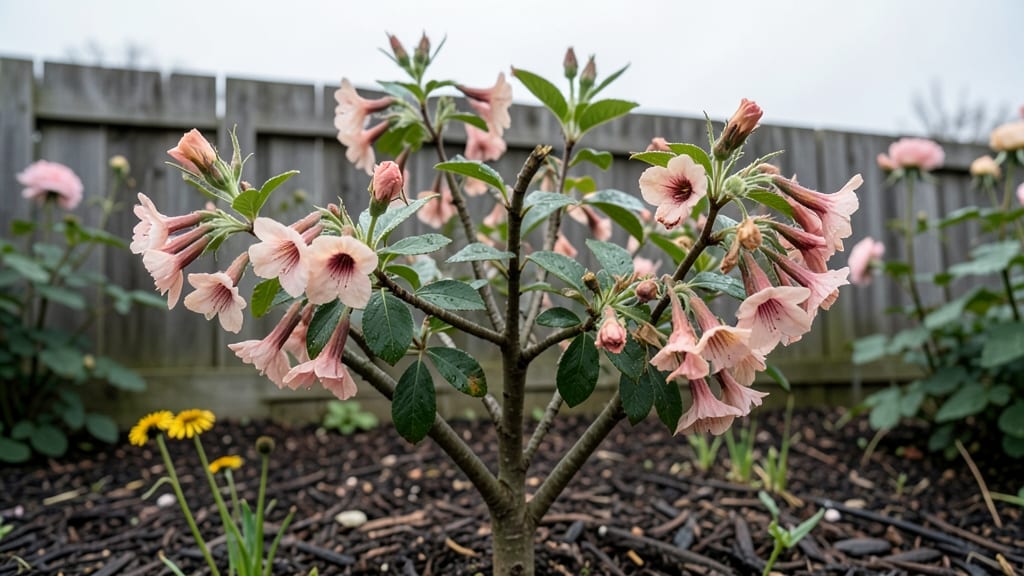
That green shrub with pink flowers could be the game-changer your border needs—especially if you want to turn your yard into a pollinator paradise. 🌸 I’ve tested three standout varieties over the past five years, and each one brings something different to the table: hydrangeas for drama, weigelas for long bloom times, and azaleas for early-season color.
The best part? They all attract bees, butterflies, and hummingbirds without requiring constant attention.
These shrubs thrive in different light conditions, from partial shade to full sun, making them versatile for almost any garden style. A weigela’s arching branches work beautifully as a focal point in a modern design, while hydrangeas create soft, romantic borders perfect for cottage gardens.
Azaleas, with their glossy foliage, add texture and contrast that keeps your landscape interesting year-round. Plant them near perennials like coneflowers or lavender for a low-maintenance, high-impact combo.
You’ll love how they transform a plain border into a vibrant, buzzing ecosystem—especially when they’re in full bloom. The pink flowers stand out against green foliage, creating a striking contrast that pops in any season.
Plus, their seasonal interest means you get color from early spring through late fall, with some varieties even offering winter structure. Once established, they’re tough enough to handle drought and pests, so you won’t be spending all summer playing catch-up.
Whether you’re going for a wildflower-meets-formal look or a neat, structured hedge, these shrubs adapt. Pair them with climbing roses for height, or let them mingle with native grasses for a more natural vibe.
The key? Plant them where they’ll get the right light and space to grow—then step back and watch the pollinators do the rest.
When Pink Blooms Fade Away
If your green shrub with delicate pink flowers isn’t bursting with color when it should—or if the blooms appear sparse or nonexistent—don’t panic. Several natural and environmental factors can influence flowering patterns.
Understanding these causes helps you take corrective action and restore your shrub’s pollinator-friendly charm. Let’s break down the science behind why pink petals might be missing in action.
A shrub’s ability to produce vibrant pink blooms hinges on proper nutrition, especially nitrogen, phosphorus, and potassium. Here’s how imbalances disrupt flowering:
- Too Much Nitrogen: Nitrogen fuels leafy growth but starves flowers. If your shrub is lush and green but flowerless, it’s likely overfed with nitrogen-rich fertilizers (like lawn fertilizers). This shifts energy away from bloom production.
- Phosphorus Deficiency: Phosphorus is the "bloom booster." Without enough (common in sandy or acidic soils), shrubs struggle to form buds. Look for dark green leaves with purple stems—this is a classic phosphorus cry for help.
- Potassium Shortages: Potassium strengthens cell walls and supports flower development. A deficiency (yellowing leaf edges, weak stems) weakens the shrub’s ability to sustain blooms, even if other nutrients are present.
💡 Pro Tip: Test your soil (kits are affordable and available at garden centers) and amend with a balanced fertilizer (like 10-10-10) or bone meal (for phosphorus) in early spring. Avoid slow-release fertilizers high in nitrogen if flowering is the goal.
Pink-flowering shrubs often thrive in full sun (6+ hours of direct light daily), but too much shade or harsh conditions can stunt blooms. Here’s how light affects flowering:
- Insufficient Sunlight: Shrubs like Weigela or Spirea (common pink-blooming varieties) may produce fewer flowers if planted in deep shade. Photosynthesis slows, reducing energy for bloom production.
- Too Much Heat/Intense Sun: In hot climates, excessive sunlight can stress shrubs, causing them to conserve water and energy by reducing flower counts. Wilting or scorched leaves are red flags.
- Reflective Surfaces: Shrubs near light-colored walls or pavement may suffer from "heat stress," where reflected sunlight damages delicate buds before they open.
🎯 Actionable Fix:
- Relocate your shrub to a spot with morning sun + afternoon shade if it’s currently in harsh conditions.
- Use mulch (2–3 inches of wood chips or straw) to regulate soil temperature and retain moisture.
- For container-grown shrubs, place them in a sheltered area (e.g., near a north-facing wall) to avoid afternoon heat.
Water stress—whether from drought or overwatering—directly impacts flower production. Here’s how to spot the problem:
| Issue | Symptoms | Impact on Flowers |
|---|---|---|
| Underwatering | Crispy leaf edges, wilting, soil pulling away from pot edges. | Bud drop occurs as the shrub prioritizes survival over blooms. Roots can’t absorb nutrients efficiently. |
| Overwatering | Yellowing leaves, moldy soil, roots turning brown/black. | Root rot prevents nutrient uptake, leading to weak or no flowers. Excess moisture also dilutes soil nutrients. |
| Inconsistent Watering | Uneven leaf color, buds forming but dropping. | Fluctuating moisture confuses the shrub’s growth cycle, causing it to abort flower development. |
🌡️ Hydration Hack: Water deeply 1–2 times per week (adjust for climate) and aim for 1 inch of water per week. Use a moisture meter or the "finger test" (stick your finger 2 inches into soil—if dry, water). Mulch heavily to lock in moisture and reduce evaporation.
Timing matters when it comes to pruning pink-flowering shrubs. Cutting back at the wrong season can remove next year’s flower buds or stress the plant into skipping blooms entirely.
- Late Summer/Fall Pruning: Many shrubs (e.g., Hydrangea, Abelia) set flower buds on old wood in late summer. Pruning then removes these buds, resulting in sparse or no blooms the following spring.
- Over-Pruning in Spring: While early spring is ideal for shaping, aggressive cuts can stimulate too much leafy growth at the expense of flowers.
- Deadheading Neglect: Failing to remove spent blooms can lead to seed production, diverting energy from new flowers.
✨ Pruning Timeline:
- Early Spring (Before Bud Break): Prune to shape or remove dead wood.
- Right After Flowering: Prune shrubs that bloom on new wood (e.g., Weigela) to encourage another flush of blooms.
- Never Prune in Late Fall/Winter: Dormant shrubs are vulnerable to disease if cut back.
Hidden invaders can sap your shrub’s energy, leaving it too weak to produce flowers. Common culprits include:
- Aphids/Spider Mites: These sap-sucking pests weaken leaves, reducing photosynthesis and flower production. Look for sticky residue (honeydew) or fine webbing.
- Japanese Beetles: They devour petals and leaves, stunting growth. Heavy infestations can defoliate shrubs entirely.
- Fungal Diseases (e.g., Powdery Mildew): White powdery coatings on leaves block sunlight, causing buds to abort. Humid conditions (especially in shade) encourage outbreaks.
- Root Rot: Caused by overwatering or poor drainage, it strangles the shrub’s ability to absorb nutrients, leading to poor flowering.
🔥 Pest Control Tips:
- Spray affected areas with neem oil or insecticidal soap (follow label instructions).
- Introduce beneficial insects like ladybugs or lacewings to combat aphids naturally.
- Improve airflow by thinning dense foliage to prevent fungal spread.
- For root rot, repot the shrub in fresh, well-draining soil and trim affected roots.
Even healthy shrubs may skip flowering due to natural life stages or environmental cues:
- Young Shrubs: Plants under 2–3 years old may focus on root and stem growth before flowering. Patience is key!
- Over-Mature Shrubs: Older plants (10
Revitalizing Your Blooming Shrub
🌸 Ready to breathe new life into your struggling pink-flowered shrub? Whether it’s wilting, sparse blooms, or pest problems, here’s how to diagnose and fix the most common issues—plus tips to keep your garden star thriving for seasons to come.
Cause: Overpruning, improper sunlight, or nutrient deficiencies. Solution:
- 🔥 Prune at the Right Time – Trim back leggy stems after flowering (late summer/early fall) to encourage next year’s blooms. Avoid heavy cuts in spring, which can remove next year’s flower buds.
- 🌞 Optimize Sunlight – Most pink-flowering shrubs (like Weigela, Diervilla, or Spirea) need 6+ hours of sun daily. If yours is in shade, gradually move it to a sunnier spot over a few weeks to avoid shock.
- 💡 Fertilize Strategically – Use a balanced, slow-release fertilizer (10-10-10) in early spring. For extra blooms, switch to a phosphorus-heavy formula (like 5-10-5) mid-spring to support flowering.
Prevention Tip: ✨ Mulch well (2–3 inches of organic mulch) to retain moisture and regulate soil temp—this reduces stress and encourages vibrant blooms.
Cause: Aphids, spider mites, powdery mildew, or fungal spots. Solution:
- 👨🍳 Spray with Neem Oil – Mix 1 tbsp neem oil + 1 tsp mild soap per quart of water, then spray foliage (especially undersides of leaves) every 7–10 days until pests vanish. Safe for bees! 🐝
- 🌡️ Improve Airflow – Trim dense branches to reduce humidity around leaves, which prevents fungal diseases like powdery mildew.
- 🔪 Remove Infested Parts – Prune and dispose of heavily damaged leaves/stems in the trash (not compost)—don’t let pests spread!
Prevention Tip: 💡 Water at the base (not overhead) to keep leaves dry, and rotate pruning tools between plants to avoid disease transfer.
Cause: Underwatering, poor soil drainage, or heat stress. Solution:
- 🥘 Deep Water Weekly – Water slowly and deeply (1–1.5 inches per week) to encourage root growth. Use a soaker hose to avoid wetting leaves.
- 🌧️ Improve Soil Drainage – Amend heavy clay soil with compost or perlite to prevent root rot. If your shrub is in a pot, ensure it has drainage holes.
- ⏰ Mulch Like a Pro – Apply 3 inches of mulch (wood chips or straw) around the base (but keep it 6 inches away from the trunk) to lock in moisture.
Prevention Tip: ✨ Group shrubs with similar water needs to simplify care—this mimics natural ecosystems where plants share resources!
Cause: Overwatering, nutrient deficiency, or root issues. Solution: - 📊 Check the Soil – Stick your finger 2 inches deep; if it’s soggy, your shrub is overwatered. Let the topsoil dry out between waterings. - 💪 Feed with Iron – Yellow leaves often signal iron deficiency.
Use an iron chelate supplement (follow package instructions) for a quick fix. - 🔍 Inspect for Root Rot – Gently dig around the base. If roots are mushy or black, trim affected areas and repot in fresh, well-draining soil.
Prevention Tip: 🎯 Test your soil every 2–3 years (kits are cheap!) to monitor pH and nutrient levels—most pink-flowering shrubs prefer slightly acidic to neutral soil (pH 6.0–7.0).
- 🌸 Deadhead Spent Blooms – Snip off faded flowers to redirect energy into new growth (but leave some seed heads for winter interest!).
- 🌿 Prune for Shape – Lightly shape in late winter/early spring before new growth emerges.
- 🐝 Plant Companion Friends – Add bee-friendly perennials (like lavender or salvia) nearby to attract pollinators and boost your shrub’s health!
Pro Tip: 🔥 Observe your shrub daily—catching issues early (like wilting or pest trails) means smaller fixes and happier blooms! With these steps, your pink-flowered shrub will be the star of the border in no time. 🌸✨
Frequently asked questions
Which green shrubs with pink flowers attract the most pollinators?
Weigela and butterfly bush (Buddleia) are top pollinator magnets! Weigela's tubular blooms draw hummingbirds, while butterfly bush's dense clusters lure butterflies from miles away. For a low-maintenance option, try Diervilla—its pink flowers feed bees early in the season.
Can I grow these shrubs in containers?
Compact varieties like Hydrangea 'Endless Summer' or Abelia 'Kaleidoscope' thrive in 15-gallon pots with well-draining soil. Use a mix of potting soil and perlite, and ensure pots have drainage holes. Container shrubs need daily watering in summer and benefit from monthly fertilizer.
How do I extend the blooming season for pink-flowering shrubs?
Deadhead faded blooms regularly to encourage reblooming, especially with Weigela or Spirea. For late-season color, choose varieties like Hydrangea 'Limelight' (pink blooms in fall) or Abelia (blooms from spring to frost). Mulch heavily and water consistently to reduce stress.
Are there deer-resistant options among pink-flowering shrubs?
Yes! Abelia and Diervilla are deer-resistant while still offering vibrant pink blooms. For extra protection, add Lantana nearby—its strong scent deters deer. Avoid butterfly bush (Buddleia), which deer love!
What's the best way to prune for maximum pink blooms?
Prune after flowering for most shrubs (like Weigela) to avoid cutting off next year's buds. For Hydrangea, prune old wood in late winter. Always use clean, sharp shears and remove no more than 1/3 of the plant at once to maintain vigor.