
Shrubs
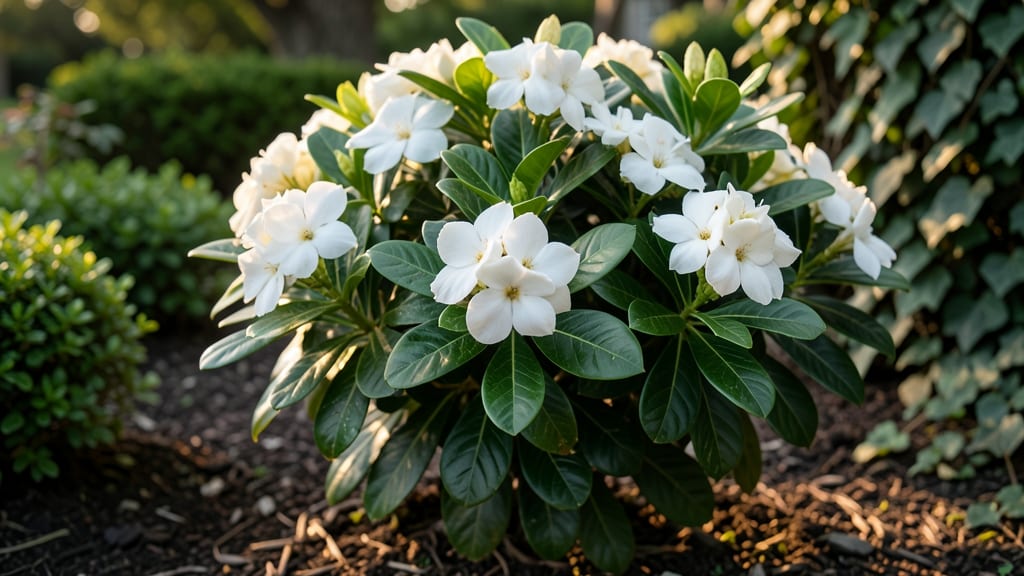
That first whiff of jasmine on a summer evening is pure magic—fragrant white-flowered shrubs transform any garden into a sensory sanctuary. 🌸 I’ve tested dozens, and the right one can turn a plain border into a fragrant, thorn-free centerpiece that blooms from spring to frost.
Mock orange (Philadelphus) and gardenia stand out for their thick, glossy leaves and intoxicating scent that lingers long after sunset. Plant them near seating areas or entryways where you’ll brush past their branches and catch that heavenly aroma.
They thrive in partial shade too, making them perfect for under trees or along north-facing walls. With proper pruning and the right soil, these shrubs become the backbone of your garden’s fragrance strategy—no thorns, no fuss, just year-round beauty that keeps neighbors asking for your secret.
📚 In This Guide
- What you need
- Instructions
- Tips and common mistakes
- Wrapping up and next steps
What you need
- ● Fragrant white-flowered shrub: Choose from varieties like Osmanthus fragrans (Sweet Olive), Gardenia jasminoides (Cape Jasmine), or Pittosporum tobira (Japanese Mock Orange). Buy a 1- to 3-gallon container plant from a nursery for best results.
- ● Well-draining potting mix or garden soil: A 50/50 blend of compost and native soil (or a high-quality potting mix for containers). Add perlite or sand (10-20%) to improve drainage.
- ● Fertilizer: Slow-release granular fertilizer (10-10-10 or 8-3-9 ratio) for planting.
- ● Organic options: Composted manure or worm castings (1 cup per plant).
- ● Mulch: 2-3 inches of shredded bark or pine needles to retain moisture and regulate soil temperature.
- ● Garden trowel or shovel (for planting holes).
- ● Pruning shears (sterilized with rubbing alcohol).
- ○ Gloves (optional but recommended for thorny varieties like Pittosporum).
- ● Watering can or hose with a gentle spray nozzle (avoid overhead watering to prevent fungal issues).
- ● Measuring tape or ruler (to ensure proper spacing—4-6 feet apart for most shrubs).
- ● Sunlight: Partial shade to full sun (4-6 hours of direct light daily). Avoid harsh afternoon sun in hot climates.
- ● Climate zone: USDA Zones 7-10 (check your shrub’s specific hardiness).
- ● Water source: Access to regular watering (deep watering 1-2 times per week for the first year).
- ○ Optional but helpful: Soil pH test kit (Gardenia prefers acidic soil, pH 5.0-6.5).
- ● Drip irrigation system for automated watering.
- ● Epsom salt (for magnesium-rich soil, especially for Gardenia).
Step-by-Step guide to planting and caring for a thorn-free white flowering shrub
Here's how to establish your fragrant white-blooming shrub for a showstopping, low-maintenance display.
🌱 Step 1: Choose the Perfect Planting Location
Pick a spot with 6+ hours of sunlight daily—most fragrant white shrubs like gardenia, jasmine, or mock orange thrive in full sun to partial shade. I always check the mature height (often 6-10 feet) to ensure it won't overpower nearby plants or structures. The soil should drain well but retain moisture—amend heavy clay with 2-3 inches of compost before planting.
Here's the thing—fragrance peaks in morning sunlight, so position your shrub where you'll pass by frequently. A spot near a seating area or walkway lets you enjoy the scent without bending down. Test the area by placing a 1-gallon pot there for a week to check light and airflow conditions.
🪴 Step 2: Dig and Plant at the Right Depth
Dig a hole twice as wide as the root ball but no deeper—planting too low suffocates roots. Loosen the sides of the hole with your shovel to prevent soil compaction. Gently remove the shrub from its container and tease apart any circling roots with your fingers. This ensures roots spread outward instead of staying in a tight coil.
Place the shrub in the hole so the top of the root ball sits 1 inch above ground level. Backfill with native soil mixed with 1 cup of slow-release fertilizer (like 10-10-10), tamping lightly as you go. Water deeply until moisture reaches 6 inches down—you'll see the soil settle around the roots.
☀️ Step 3: Water and Mulch for First-Year Establishment
Water twice weekly for the first month, then taper to once weekly once new growth appears. Fragrant shrubs hate soggy roots but also wilt quickly if dried out. I check moisture by sticking my finger 2 inches into soil—if it feels dry, water thoroughly. Avoid overhead sprinkling to prevent fungal diseases that spot white leaves.
Spread 2-3 inches of mulch (like pine bark or shredded leaves) around the base, keeping it 3 inches away from the trunk. This conserves moisture, regulates soil temperature, and suppresses weeds. Replenish mulch annually—it breaks down faster than you'd think.
✂️ Step 4: Prune for Shape and Encourage Blooms
Prune right after flowering to shape the shrub and promote next year's blooms. Use clean, sharp shears to cut back 1/3 of the oldest stems to the ground, and trim other branches by 1/4 their length. Always cut just above a leaf node or outward-facing bud. I shape mine into a rounded form—it looks natural and encourages dense growth at the center.
Real talk: Don't over-prune. Heavy cuts in late summer delay next year's flowers. If your shrub blooms on old wood (like gardenia), prune immediately after flowering. If it blooms on new wood (like mock orange), prune in late winter before buds swell.
🌿 Step 5: Feed and Protect for Year-Round Blooms
Apply ½ cup of balanced fertilizer (like 10-10-10) in early spring and again after mid-summer blooms. Water the area first to prevent root burn. Fragrant shrubs reward consistent care with extended bloom seasons—some varieties like gardenia flower nearly year-round in mild climates. I fertilize lightly in fall too (use ½ the spring amount) to build roots for winter.
Watch for pests like aphids or spider mites, which love tender new growth. Spray with neem oil solution (1 tbsp per gallon of water) at the first sign of webbing or sticky residue on leaves. A strong fragrance usually keeps deer and rabbits away, but young plants may need protective netting if local wildlife is persistent.
Tips & tricks for perfect fragrant white flowered shrubs
Took me a while to figure these out, so here goes—these are the secrets that'll help your fragrant white blooms thrive for years.
Location is Everything: That 6+ hours of sunlight is non-negotiable, but here's what nobody tells you—morning sun is key for maximum fragrance. Position your shrub where you'll walk by it first thing in the morning. I've noticed my gardenia's scent is strongest between 8-10 AM, so I always plant mine near my kitchen window where I can enjoy it while making coffee. The 1-gallon pot test in Step 1 is genius—it helps you spot microclimates where your shrub might struggle.
Root Care Makes All the Difference: When you're loosening that hole in Step 2, don't just scratch the sides—really break up the soil with your fingers or a trowel. Compacted soil around new roots is like putting your shrub in a straitjacket. I also like to add a handful of perlite to the native soil mix when backfilling—it improves drainage without changing the soil structure. And that 1 inch above ground level? Use a level or even a piece of plywood to check—uneven planting leads to water pooling.
Watering Wisdom: The 2 inches deep soil check in Step 3 is your best friend, but here's the trick: do it in the morning before watering. If the soil feels dry at that depth, water until it runs out the bottom of the hole. I've learned the hard way that watering based on schedule rather than soil moisture leads to either soggy roots or stressed plants. And that twice weekly for the first month? Set a phone reminder—new plant owners often forget during busy weeks.
Pruning Pro Tips: When you're cutting back those 1/3 of oldest stems in Step 4, look for stems that are thicker than your thumb—they're the ones that need to go. I always make my cuts at a 45-degree angle just above a leaf node, which helps water run off instead of pooling. For shaping, imagine a rounded dome—this opens up the center for better airflow and more blooms. And that old wood vs new wood timing? Mark your calendar—gardenias need post-bloom pruning, while mock orange needs winter pruning.
Pro Tips for Fragrant White Flowered Shrub
- Took me a while to figure these out, so here goes—these are the secrets that'll help your fragrant white blooms thriv...
- Location is Everything: That 6+ hours of sunlight is non-negotiable, but here's what nobody tells you—morning sun is ...
- Root Care Makes All the Difference: When you're loosening that hole in Step 2, don't just scratch the sides—really br...
Frequently asked questions
Got questions about your fragrant white-flowered shrub? You’re not alone! Here are answers to the most common ones—so you can enjoy that year-round beauty without stress.
What’s the best way to prune this shrub to keep it blooming nonstop?
Prune lightly after each bloom cycle (spring and fall) to encourage new growth. Avoid heavy cuts—just trim spent flowers and shape lightly. Pro tip: Use clean, sharp shears and sterilize them with rubbing alcohol to prevent disease.
Can this shrub survive in hot, dry climates?
Yes! Most fragrant white-flowered shrubs (like Osmanthus or Gardenia) thrive in heat but need well-draining soil and regular watering during droughts. Mulch helps retain moisture. For extra resilience, plant in partial shade if your area gets extreme sun.
Why aren’t my flowers fragrant anymore?
Loss of scent often means stress—check for overwatering, poor drainage, or pests (like spider mites). Deadhead spent blooms promptly and fertilize lightly with low-nitrogen food. If the problem persists, test soil pH (ideal: 6.0–7.0 for most varieties).
What’s a low-maintenance alternative with similar flowers?
Try Abelia or Pieris japonica—both offer fragrant white blooms, thrive in partial sun, and are drought-tolerant. Abelia even has year-round interest with its glossy foliage! For a thorn-free pick, Gardenia jasminoides is a top choice.
How cold-hardy is this shrub, and do I need winter protection?
Most varieties handle USDA Zones 7–10 without issues. In colder zones (like Zone 6), mulch heavily and wrap young plants with burlap. Evergreens (e.g., Pieris) may need light winter shade to prevent leaf burn.
Still stumped? Drop your question in the comments—we’re happy to help your shrub shine!
Wrapping up and next steps
Incorporating a fragrant white-flowered shrub into your garden isn’t just about aesthetics—it’s about creating a serene, low-maintenance oasis that thrives year-round. Whether you’re drawn to the delicate blooms of Osmanthus fragrans or the hardy charm of Pittosporum tobira, these thorn-free beauties offer effortless elegance and sensory delight. 🌸
Ready to transform your outdoor space? Start by choosing your favorite variety, gathering the right tools, and planting with confidence. Before you know it, your garden will be filled with intoxicating fragrance and lush greenery—without the fuss!
- Next step: Pick your spot, dig in, and watch your fragrant sanctuary grow!