
Shrubs
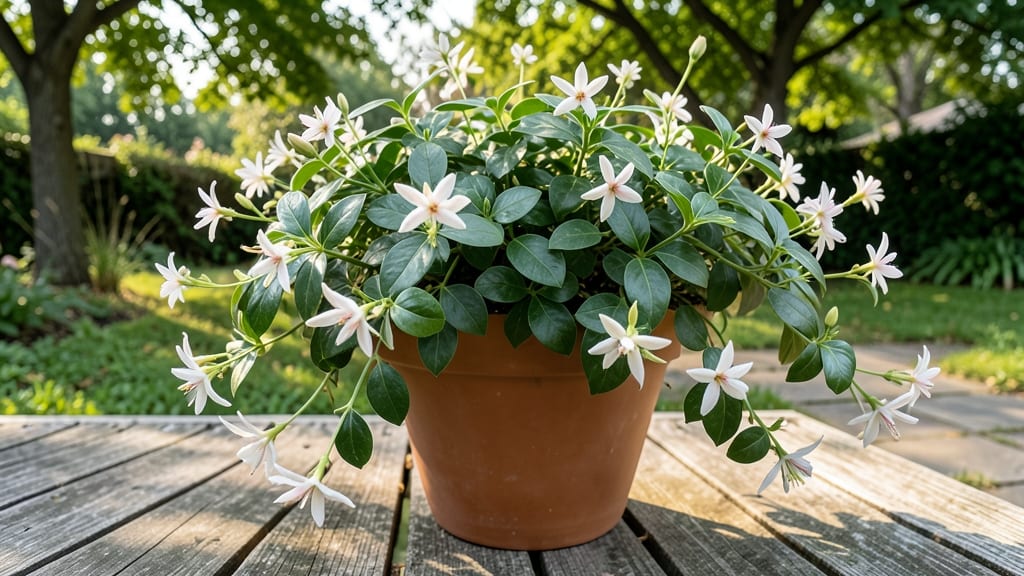
Cultivating a Cape jasmine shrub means waking up to fragrant blooms that last from spring through fall—and sometimes even winter. 🌿 I learned the hard way that these glossy-leaved beauties thrive with just the right balance of sun, soil, and a light touch with pruning.
The secret isn’t complicated, but it’s easy to get wrong if you rush the process. These evergreen shrubs love bright, indirect light and well-draining soil that mimics their native forest floor. Too much direct sun scorches the leaves, while poor drainage leads to root rot.
Once established, they’re surprisingly drought-tolerant, but consistent moisture during their first year keeps them happy and blooming reliably. By winter, you’ll have a shrub covered in star-shaped white flowers that perfume the air with a sweet, intoxicating scent. The best part?
Pruning is minimal—just a light trim after blooming to maintain shape and encourage next year’s flowers. Few plants offer this much beauty with so little fuss.
Whether you’re filling a sunny border, training it as a climbing vine, or simply enjoying its fragrance near a patio, Cape jasmine delivers year after year with almost no effort. Here’s how to get started right.
📚 In This Guide
- What you need
- Instructions
- Tips and common mistakes
- Wrapping up and next steps
What you need
- ○ Cape Jasmine shrub: 1 healthy nursery-grown plant (3–5 gallons in size for best results). Optional: Seeds or cuttings (if propagating from scratch).
- ● Well-draining potting soil: 5–10 gallons (mix with perlite or sand for aeration). Pro tip: 💡 A 60/40 blend of peat moss and perlite works wonders!
- ○ Container (if potted): 1–2 gallon pot with drainage holes (or a 5-gallon pot for mature shrubs). Optional: Raised bed for better root control.
- ● Organic fertilizer: Slow-release granular (e.g., 10-10-10) or liquid bloom booster (like fish emulsion).
- ● Mulch: 2–3 inches of pine bark or wood chips to retain moisture.
- ● Garden trowel or shovel: For planting and soil amendments.
- ● Pruning shears: Sharp, sterilized shears (for shaping and deadheading).
- ● Watering can or hose with gentle nozzle: Avoid over-saturating the roots.
- ○ pH testing kit: Cape Jasmine thrives in acidic soil (pH 5.0–6.5). Optional: Sulfur or peat moss to adjust pH if needed.
- ● Sunlight location: Partial shade (4–6 hours of dappled sun) or morning sun in hot climates.
- ● Patience! ⏳ Cape Jasmine grows slowly but rewards you with year-round blooms once established.
- ● Epsom salt (magnesium sulfate) for green foliage boosts.
- ● Humidity tray or pebble tray for indoor pots.
- ● Copper fungicide (to prevent leaf spot in humid climates).
Step-by-Step instructions for planting and caring for Cape Jasmine
Here's how to get your Cape Jasmine thriving with minimal fuss—just follow these simple steps.
🌱 Step 1: Choose the Perfect Location and Plant at the Right Time
Cape Jasmine loves full sun, so pick a spot that gets at least 6-8 hours of direct sunlight daily. If you're in a hotter climate, afternoon shade helps prevent leaf scorch. I plant mine in early spring, after the last frost, when soil temperatures hit 60°F—that's usually around March in most regions.
Dig a hole twice as wide as the root ball but only as deep. The top of the root ball should sit 1 inch above ground level—this prevents water from pooling around the stem. Gently loosen the roots if they're circling tightly, then place the plant in the hole and backfill with native soil. Water deeply right after planting to settle the soil.
☀️ Step 2: Water Consistently and Mulch for Retention
Cape Jasmine has shallow roots, so keep the soil evenly moist but not soggy. Water 1-2 times per week until established, then taper to once weekly once mature. You'll know it's time to water when the top 2 inches of soil feel dry. Overwatering causes root rot, which is a silent killer—watch for yellowing leaves as a warning sign.
Spread 2-3 inches of mulch around the base, keeping it 3 inches away from the trunk. I use shredded bark or pine straw because it breaks down slowly and improves soil structure over time. Mulch also suppresses weeds and keeps roots cool in summer.
✂️ Step 3: Light Pruning for Shape and Encouraging Blooms
Cape Jasmine blooms on old wood, so minimal pruning keeps it flowering year-round. I trim right after the last frost to shape the shrub, cutting back any leggy branches by one-third. Use clean, sharp pruners to make cuts just above a leaf node—this encourages new growth and more blooms.
Remove any dead, diseased, or crossing branches first. Then, thin out crowded areas to improve airflow—this prevents fungal issues. Avoid heavy pruning in late summer or fall, as new growth won’t have time to harden off before winter. A light trim in early spring keeps it tidy without sacrificing flowers.
🌿 Step 4: Fertilize and Monitor for Pests
Feed your Cape Jasmine in early spring with a balanced, slow-release fertilizer (10-10-10 works well). Follow the package instructions for application rates—over-fertilizing leads to leafy growth but fewer flowers. I skip fertilizing in fall and winter, as the plant enters dormancy and doesn’t need extra nutrients.
Watch for aphids or spider mites, which love the new growth. Spray the undersides of leaves with a strong stream of water to dislodge pests, or use neem oil if infestations persist. Healthy Cape Jasmine is tough, but stress from poor care or drought invites pests—so keep it watered and well-drained.
⏰ Step 5: Winter Care for Year-Round Blooms
In colder climates, Cape Jasmine may drop leaves in winter but stays evergreen in warmer zones. If you're in a frost-prone area, protect the roots with an extra 2-3 inches of mulch once temperatures dip below 30°F. I also wrap the base with burlap if heavy snow is expected—this prevents stem damage.
Prune lightly in late winter to remove any dead wood, but avoid heavy cuts. The plant’s dormant period is when it stores energy for spring blooms, so don’t disturb it unless necessary. In mild climates, it may even flower lightly in winter—just enjoy the fragrance without pruning!
Tips & tricks for perfect Cape Jasmine shrub care
Here's what nobody tells you about keeping your Cape Jasmine thriving without the constant pruning headache.
Sunlight Strategy: The 6-8 hours of sunlight isn't just about quantity—it's about quality. Place your shrub where it gets morning sun and afternoon shade in hot climates. I've seen Cape Jasmine burn when exposed to full afternoon sun in summer, even when it handles morning rays perfectly. The leaves develop crispy edges that ruin the plant's appearance. If you notice this happening, move it gradually to avoid shocking the plant.
Planting Depth Matters: That 1-inch elevation above ground level in Step 1 isn't arbitrary—it prevents water from pooling around the stem, which leads to rot. I learned this the hard way when my first Cape Jasmine struggled with yellowing leaves. The root flare (where roots meet the trunk) should be visible above the soil line. If you're unsure, dig a shallow trench around the base to create a slight basin that directs water away from the stem.
Watering Wisdom: The 2-inch soil dry test is your best friend, but timing matters too. Water in the morning so leaves have time to dry before evening—this prevents fungal issues. I set a reminder on my phone for the same time each week to avoid forgetting. Overwatering is the #1 killer of Cape Jasmine, so when in doubt, wait another day before watering again. The plant's shallow roots will tell you what it needs through the soil moisture test.
Pruning Precision: That one-third cut in Step 3 isn't just about shaping—it's about encouraging new growth from old wood. Always cut just above a leaf node (the bump where leaves attach) to stimulate blooming. I mark my pruning spots with a pencil first to visualize the shape before making any cuts. And remember: you can always prune more, but you can't un-prune what's gone. Start conservatively, especially if you're new to this shrub.
Pro Tips for Cape Jasmine Shrub
- Here's what nobody tells you about keeping your Cape Jasmine thriving without the constant pruning headache.
- Sunlight Strategy: The 6-8 hours of sunlight isn't just about quantity—it's about quality. Place your shrub where it ...
- Planting Depth Matters: That 1-inch elevation above ground level in Step 1 isn't arbitrary—it prevents water from poo...
Frequently asked questions
Got questions about growing and maintaining your cape jasmine shrub? You’re not alone! Here are some of the most common queries—plus straightforward answers to keep your fragrant beauty thriving with ease.
How fast does a cape jasmine shrub grow?
A cape jasmine shrub grows at a moderate pace, typically adding 12–24 inches per year under ideal conditions. With its bushy, multi-stemmed habit, it fills out quickly but rarely outgrows its space if pruned lightly. For faster blooms, ensure it gets full sun (6+ hours daily) and well-draining soil.
Do I need to prune cape jasmine heavily?
Not at all! One of its biggest perks is low-maintenance pruning. Lightly trim dead or overcrowded branches in late winter or early spring to encourage new growth. If you want a denser shape, a light haircut after blooming (summer) works—but avoid heavy cuts, as it blooms on current season’s wood.
Is cape jasmine drought-tolerant?
Once established (1–2 years), cape jasmine is highly drought-tolerant! Water deeply once a week during dry spells, but avoid soggy soil. Mulch around the base to retain moisture. In extreme heat, you may see drooping leaves, but they bounce back with a good drink—no stress needed!
Why isn’t my cape jasmine blooming?
Lack of blooms often boils down to three key factors:
- Insufficient sun: It needs full sun (6+ hours)—move it if shaded by trees or buildings.
- Over-fertilizing: Too much nitrogen = leafy growth, fewer flowers. Use a balanced 10-10-10 fertilizer lightly in spring.
- Age: Young shrubs (under 2 years) may bloom lightly. Be patient!
What’s a good alternative if I want similar fragrance?
If cape jasmine’s tropical scent is your goal, consider these low-maintenance swaps:
- Gardenia: Creamy blooms + intoxicating fragrance (but needs acidic soil).
- Jasmine (Trachelospermum jasminoides): Vine or shrub option with classic jasmine perfume.
- Plumbago (Plumbago auriculata): Drought-tolerant with sky-blue flowers and a milder scent.
Pro tip: If you love cape jasmine’s year-round blooms, pair it with abutilon (flowering maple) for a perpetual color show!
Wrapping up and next steps
Transforming your outdoor space with a cape jasmine shrub is a rewarding experience—its fragrant blooms, low-maintenance care, and year-round appeal make it a standout choice. Whether you’re a seasoned gardener or just starting, this shrub offers effortless beauty with minimal pruning and resilience. 🌿
Ready to elevate your garden? Start by selecting the perfect spot, gathering your tools, and giving your cape jasmine the love it deserves. With a little patience, you’ll soon enjoy a lush, aromatic retreat that blooms all year long!