
Pruning
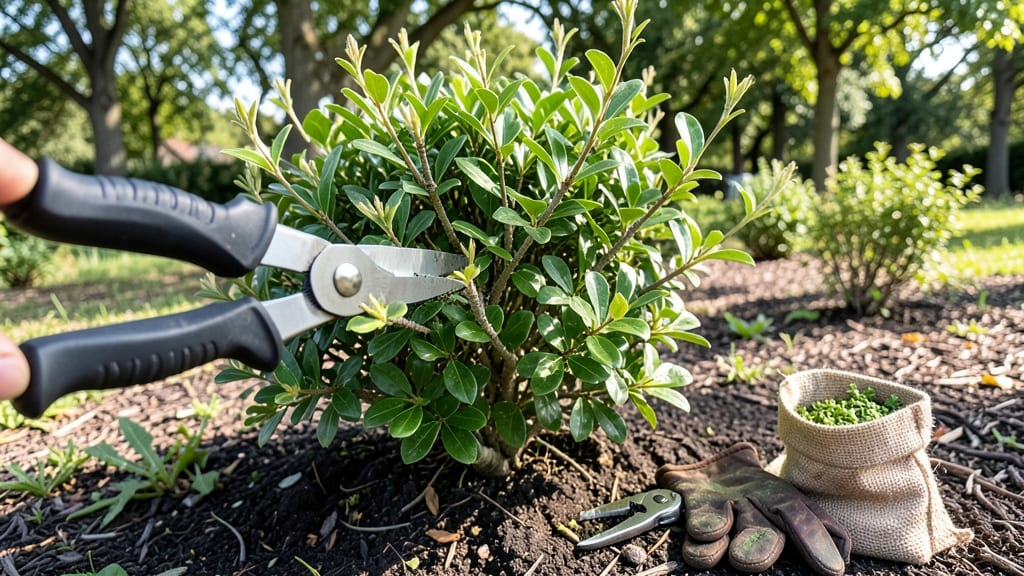
Spring trimming transforms shrubs from last year’s ragged mess into this season’s showstopper. ✂️ I’ve learned the hard way—cutting too early stunts blooms, while waiting too long invites pests. The magic window opens when buds swell but before new growth explodes, usually 4-6 weeks after your last frost.
You’ll need just three tools: sharp bypass pruners for clean cuts, loppers for thicker branches, and gloves to protect from thorns or sap. Skip dull tools—they tear bark, inviting disease. For flowering shrubs, trim after blooming; for non-flowering types, shape in early spring while dormant.
What you’ll end up with is shrubs that burst with vibrant green growth, blooms on cue, and a shape that looks intentional—not hacked. Prune at a 45-degree angle just above a leaf or bud, and avoid cutting more than ⅓ of the shrub in one go.
Works for zones 3-10, but adjust timing: in warm climates, prune in late winter; in cold zones, wait until after the last frost. Here’s how to do it right the first time.
📚 In This Guide
- What you need
- Instructions
- Tips and common mistakes
- Wrapping up and next steps
What you need
- ● Bypass Pruners: Sharp, high-quality bypass pruners (5–7 inch blades) for clean cuts on small stems (up to ½ inch thick). Pro tip: 💡 Lubricate blades with oil to prevent rust!
- ● Loppers: Long-handled loppers (20–24 inches) for thicker branches (½–1½ inches). Opt for bypass or anvil-style (avoid anvil for live plants).
- ● Hedge Shears: Aluminum or stainless-steel shears (8–12 inches) for shaping hedges or formal shrubs. Spec tip: 🌡️ Choose lightweight models to reduce arm fatigue!
- ● Pruning Saw: Curved-tooth pruning saw (10–12 inches) for stubborn, woody branches (1½+ inches). Never use a chainsaw!
- ● Gloves: Heavy-duty gardening gloves (cactus or leather) to protect hands from thorns and blisters.
- ● Ladder: Extendable or step ladder (6–10 feet) for high-reaching shrubs. Safety first: ✨ Always secure the ladder and never overreach!
- ● Bucket or Wheelbarrow: For collecting clippings (5+ gallon capacity). Line with a trash bag for easy disposal.
- ● Disinfectant: 70% isopropyl alcohol or bleach solution (1 part bleach to 9 parts water) to sterilize tools between cuts (prevents disease spread).
- ● Rake or Leaf Blower: To clear debris from the base of shrubs and walkways.
- ● Safety Glasses: Protect your eyes from flying debris or sap.
- ○ Knee Pads (Optional): For comfort during extended trimming sessions.
- ● Weather Check: Trim on a dry, cool day (avoid extreme heat or wind). Early morning is ideal!
- ● Shrub Knowledge: Research your shrub types—some (like spring-bloomers) need minimal pruning until after flowering.
- ● Clean Workspace: Lay down tarps or old sheets to catch clippings and protect lawns.
Step-by-step instructions for trimming shrubs in spring
Here's the method I've used for years to refresh shrubs without sacrificing next year's blooms.
✂️ Step 1: Time Your Trim Precisely
Wait until after your last frost date but before new growth begins—typically late February to early April in most climates. You'll know it's time when buds swell but haven't yet opened. Trimming too early risks frost damage to fresh cuts, while waiting too long encourages weak, leggy growth.
For flowering shrubs, time matters even more: Trim right after blooming for spring flowers like lilacs, or just before buds form for summer bloomers like hydrangeas. I mark my calendar with the first frost date and count back 6 weeks to schedule this critical task.
✂️ Step 2: Gather the Right Tools and Safety Gear
Use sharp, clean pruning shears for cuts under ½ inch thick, and loppers or a pruning saw for thicker branches. Dull tools crush stems, inviting disease. I always wipe blades with rubbing alcohol between shrubs to prevent spreading pathogens.
Wear gloves—thorny shrubs like roses and barberries will test your patience. Safety glasses protect against flying debris, especially when working with dense, overgrown shrubs. I keep a small bucket handy to collect clippings for composting or disposal.
✂️ Step 3: Remove Dead, Diseased, or Crossing Branches First
Scan each shrub for dead wood (gray/brown, brittle when touched) or diseased branches (mushrooms, black spots, or oozing sap). Cut these out first at the base, making clean cuts at a 45-degree angle just outside the branch collar—the swollen area where the branch meets the trunk.
Next, remove crossing or rubbing branches that create wounds. These create entry points for pests and diseases. I look for branches growing inward or touching others—these will weaken the shrub over time. Always cut back to a healthy bud or side branch to encourage proper regrowth.
✂️ Step 4: Shape and Thin for Airflow and Light
Step back and visualize the shrub's natural shape. For rounded shrubs like boxwoods, make cuts just above outward-facing buds to maintain the form. For more informal shapes, remove up to one-third of the oldest wood to rejuvenate growth. Never remove more than 25% of the plant in one season—this stresses shrubs severely.
Focus on thinning out dense areas to improve airflow and sunlight penetration. You'll see where branches crowd together—these spots invite fungal diseases. I aim to create an open center by removing branches from the middle, letting light reach all parts of the shrub.
✂️ Step 5: Clean Up and Monitor for Recovery
Collect all clippings and dispose of diseased material immediately in the trash. Healthy clippings can go in your compost bin. After trimming, water the shrub deeply to help it recover from the stress. You'll notice new growth emerging from the cut surfaces within 2-4 weeks.
Watch for signs of stress like yellowing leaves or wilting—this means you trimmed too aggressively. If this happens, reduce watering slightly and avoid fertilizing until new growth appears. A properly trimmed shrub should look fuller and more vibrant within 6-8 weeks.
Tips & tricks for perfect spring shrub trimming
Real talk: Even experienced gardeners make these mistakes—here’s how to avoid them and get professional results every time.
The Timing Secret: If you’re unsure about your last frost date, check your local cooperative extension service for precise timing. For spring-blooming shrubs like lilacs, I’ve learned to trim immediately after flowers fade—never before. The buds for next year’s blooms are already forming, and cutting too early removes potential flowers. For summer bloomers like hydrangeas, wait until just after the first flush of leaves appears, but before buds form.
Tool Technique: Sharp tools are non-negotiable—dull blades tear stems instead of making clean cuts, which invites disease. I always test my pruning shears by making a clean cut through a piece of paper. If it tears, the blades need sharpening. For thicker branches, use loppers, but avoid crushing the branch by positioning the cut just outside the branch collar. Pro tip: Keep a small spray bottle of rubbing alcohol handy to disinfect blades between cuts on different shrubs.
Visual Cues for Healthy Cuts: When removing branches, look for the branch collar—the swollen area where the branch meets the trunk. Make your cut just outside this collar at a 45-degree angle. This encourages proper healing and prevents water from pooling on the wound. If you’re unsure where the collar is, gently scrape away a small amount of bark with your thumb—you’ll see the ridge that marks the collar.
Stress Recovery Strategy: After trimming, watch for signs of stress like yellowing leaves or wilting. This usually means you removed too much foliage at once. If you see this, reduce watering slightly and avoid fertilizing until new growth emerges. I’ve found that a deep watering immediately after trimming helps the shrub recover faster. For large shrubs, consider dividing the trimming into two sessions spaced a week apart to minimize shock.
Pro Tips for Trim Shrubs In Spring
- Real talk: Even experienced gardeners make these mistakes—here’s how to avoid them and get professional results every...
- The Timing Secret: If you’re unsure about your last frost date, check your local cooperative extension service for pr...
- Tool Technique: Sharp tools are non-negotiable—dull blades tear stems instead of making clean cuts, which invites dis...
Frequently asked questions
Got questions about spring shrub trimming?
You’re not alone! Whether you’re a seasoned gardener or a newbie with shears, these answers will help you trim with confidence—and keep your shrubs thriving.
When is the exact best time to trim shrubs in spring?
The ideal window is after the last frost but before new growth appears—typically late February to early April, depending on your climate. For flowering shrubs, time it right after they bloom to avoid cutting off next year’s flowers. Pro tip: Check your local frost dates or observe your shrubs’ buds—trim when they’re swollen but not open!
What if I trim too late? Will my shrubs survive?
Most shrubs are resilient, but late trimming can stunt flowering or encourage weak growth. Evergreens and spring-bloomers (like lilacs) are most sensitive—cutting after buds form may reduce blooms. For non-flowering shrubs (e.g., boxwoods), late trimming is less critical, but avoid heavy cuts after mid-summer. When in doubt, lightly shape rather than over-prune!
Can I use hedge trimmers for all shrubs, or are hand shears better?
Hedge trimmers work for formal shapes (like privet or boxwoods), but hand shears give you precision for delicate shrubs (e.g., hydrangeas or abelia). For thick branches, loppers or pruning saws are better. Always use sharp tools—dull blades tear instead of cleanly cutting, stressing the plant.
How do I know if I’ve trimmed too much? Signs my shrubs are struggling!
Watch for bare stems, sparse foliage, or yellowing leaves—these signal over-trimming. If you’ve cut into old wood (woody stems >3 years old), new growth may be limited. For recovery, water deeply, avoid fertilizing until new growth appears, and skip heavy pruning next year. Most shrubs bounce back in 1–2 seasons!
What’s the deal with “thinning out” vs. “shearing” shrubs?
“Shearing” (cutting uniformly) creates neat shapes but can overcrowd growth. “Thinning out” (removing selective inner branches) improves airflow and health. For most shrubs, combine both: shear the outer edges for shape, then thin out 10–20% of old/diseased wood inside. This keeps your shrubs lush and strong!
Wrapping up and next steps
Trimming your shrubs in late winter or early spring is a simple yet powerful way to kickstart vibrant, healthy growth—and you’ve got all the know-how now! 🌱 Whether you’re shaping for aesthetics, controlling size, or encouraging blooms, the key is timing, technique, and tools.
With your newfound confidence, grab those shears and get ready to transform your yard into a lush, thriving oasis.
Ready to take it further? Plan your spring landscaping schedule—mark those blooming dates, tackle overgrown areas, and enjoy the satisfaction of a well-maintained garden all season long!