
Shrubs
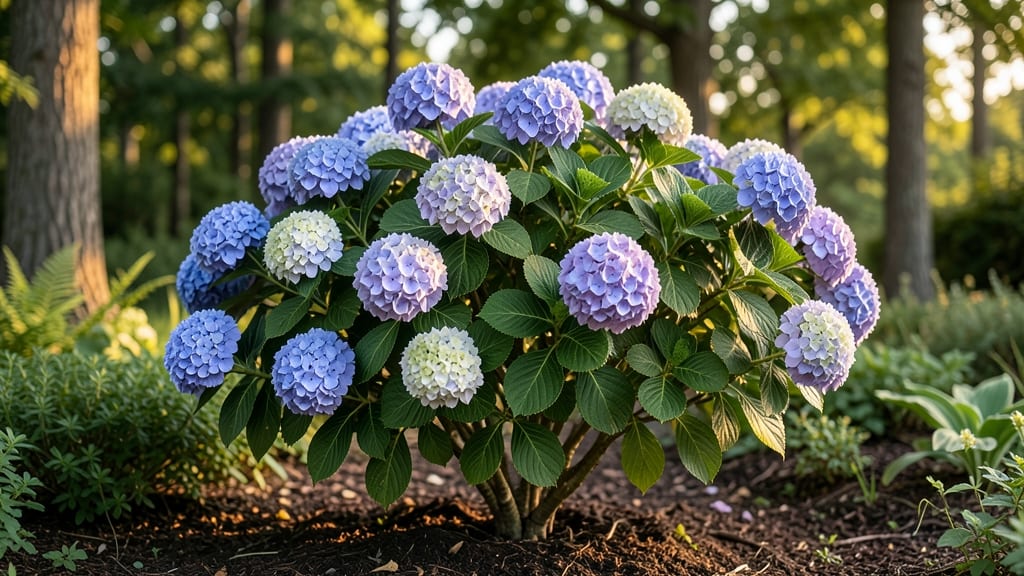
Growing hydrangea flowering shrubs isn't just about planting—it's about unlocking their full potential with the right timing and care. 🌸 I've learned that mophead hydrangeas need a different pruning approach than panicle types, and getting that wrong means waiting another year for those showstopping blooms.
The secret lies in understanding their unique growth cycles and how to encourage consistent flowering.
Start with well-draining soil rich in organic matter, because hydrangeas hate soggy roots. They thrive in morning sun with afternoon shade, especially in hotter climates, and need consistent moisture—think of them like thirsty teenagers who can't go without water for long.
Varieties like 'Endless Summer' bloom on both old and new wood, while others need careful pruning to set next year's buds.
By mastering the pruning calendar, you'll see dramatic results—vibrant blooms from late spring through fall, with some varieties even putting on a second show in cooler months. The key is timing: prune mopheads right after flowering, while panicle types can handle a late-winter haircut.
With this approach, your hydrangeas will become the star of your garden every season.
Don't let common challenges like chlorosis or bud blast discourage you—these issues have simple fixes once you know what to watch for. Whether you're dealing with soil pH for color changes or protecting against slugs, I've got you covered with practical solutions that actually work. Let's get those hydrangeas thriving!
📚 In This Guide
- What you need
- Instructions
- Tips and common mistakes
- Wrapping up and next steps
What you need
- ● Hydrangea plants: 1–3 Hydrangea macrophylla (mophead or lacecap varieties) or Hydrangea paniculata (panicle types) per planting area.
- ● Check root ball size—1-gallon pots for small shrubs, 3–5 gallons for mature plants.
- ● Soil amendments: 2–3 gallons of peat moss or coconut coir (for acid-loving varieties like macrophylla).
- ● 1–2 cups of slow-release fertilizer (10-10-10 or 12-4-8 NPK ratio).
- ● 1 lb of compost or well-rotted manure (for nutrient-rich soil).
- ● Planting tools: 1 garden trowel or spade (for digging).
- ● 1 pruning shears (sterilized, for trimming dead growth).
- ● 1 measuring tape (to space plants 3–6 ft apart, depending on variety).
- ● Watering supplies: 1 hose with adjustable nozzle or watering can (for deep watering).
- ○ Optional: drip irrigation kit (to maintain consistent moisture).
- ● Mulch: 2–3 inches of pine bark or shredded leaves (to retain moisture and regulate soil temp).
- ● pH testing kit: To monitor soil acidity (ideal range: 5.2–6.0 for macrophylla).
- ● Epsom salt: 1 tbsp per gallon of water (occasional foliar spray for magnesium boost).
- ● Stakes or cages: For young shrubs in windy areas (3–4 ft tall).
- ● Gloves & knee pads: Because gardening is way more fun when you’re comfy! 😉
Step-by-step instructions for hydrangea flowering shrubs
Here's the precise method I use to coax year-round blooms from hydrangeas—no guesswork, just science-backed pruning and care.
☀️ Step 1: Choose the Right Location for Maximum Blooms
Hydrangeas thrive in partial shade—think morning sun with afternoon shade—especially in hot climates. I plant mine where they get 4-6 hours of direct sun daily, but watch for leaf scorch if temperatures exceed 85°F. The ideal spot has well-draining soil and protection from harsh afternoon rays.
Dig a hole twice as wide as the root ball but only as deep as the container it came in. Loosen the roots slightly if they're circling—hydrangeas hate being root-bound. This ensures they establish quickly and focus energy on blooms rather than struggling to adapt.
💧 Step 2: Water Deeply and Maintain Consistent Moisture
Water deeply once a week (or more in extreme heat) until the top 6 inches of soil feel damp. Hydrangeas are thirsty but hate soggy roots—mulch heavily with 2-3 inches of organic mulch (like shredded bark) to retain moisture and regulate soil temperature. I check moisture by sticking my finger in; if it's dry by 1 inch down, it's time to water.
Yellowing leaves often signal underwatering, while brown, crispy edges mean too much sun or salt buildup from hard water. If your water is hard, collect rainwater in a barrel for the first growing season—hydrangeas respond dramatically to softer water.
✂️ Step 3: Prune for Year-Round Blooms (Timing Matters Most)
Spring-blooming varieties (like Hydrangea macrophylla) should be pruned right after flowering, never in fall or winter. Cut back old wood (last year's stems) by ⅓ to ½ to encourage new growth. Look for woody stems with no leaves—these are last year's bloomers and can be trimmed back.
For reblooming varieties, prune twice a year: once after the first flush of blooms (late spring) to shape the plant, and again in early summer (by July 4th) to promote a second round of flowers. Never prune into old wood—you'll sacrifice next year's blooms.
🌿 Step 4: Feed for Vibrant, Long-Lasting Flowers
Apply a balanced, slow-release fertilizer (like 10-10-10) in early spring when new growth appears. I avoid high-nitrogen fertilizers—they encourage leafy growth at the expense of flowers. Instead, I use a low-nitrogen, high-phosphorus formula (like 5-10-5) to boost blooming.
For blue flowers, amend the soil with aluminum sulfate (follow package rates) in early spring. For pink flowers, avoid aluminum and use lime instead. The pH of your soil directly controls flower color—test it annually and adjust accordingly. Hydrangeas are finicky but reward precision with stunning, long-lasting blooms.
⏰ Step 5: Winterize for Next Year's Blooms
In USDA Zones 5-7, wrap the base of the plant with burlap or frost cloth once temperatures drop below 20°F. I also mulch heavily (up to 4 inches) with straw or leaves to insulate roots. In Zones 8-9, minimal protection is needed—just a light mulch to retain moisture.
Prune dead or damaged branches in late winter (just before buds swell) to tidy the plant. Avoid heavy pruning now—you risk removing next year's flower buds. Hydrangeas are tough but appreciate a little winter TLC to bounce back stronger in spring.
Tips & tricks for perfect hydrangea care
Transforming your hydrangeas into year-round blooming stars takes more than just following the steps—it's about understanding the subtle details that make all the difference. Here's what I've learned after years of trial and error with these finicky beauties.
Location Precision: The 4-6 hours of morning sun is non-negotiable, but don't overlook the afternoon shade requirement—especially in summer when temperatures approach 85°F. I've seen hydrangeas go from thriving to crispy in just two weeks when moved to full afternoon sun. Test your spot by watching how quickly leaves wilt in summer afternoons. If they're drooping by noon, that's your warning sign to move them.
Root Ball Technique: When planting, the hole should be twice as wide but only as deep as the container—this prevents water pooling around the roots. I make it a point to loosen any circling roots with my fingers (no need to be aggressive) because hydrangeas establish best when their roots can spread naturally. This single step makes the difference between a plant that struggles and one that blooms abundantly.
Watering Science: The "finger test" for moisture is your best friend. Stick your finger 1 inch down—if it's dry, water until the top 6 inches are damp. I've found that using a moisture meter (around $20) eliminates guesswork completely. Also, if your water is hard (check with a simple test kit), collect rainwater for the first year—hydrangeas respond dramatically to softer water, producing bigger blooms with better color.
Pruning Calendar: Mark your calendar for July 4th—this is the absolute deadline for your second summer pruning on reblooming varieties. Any later and you risk cutting off next year's flower buds. I keep a small pruning journal noting when I prune each year, which helps me remember these critical timing windows. For spring-bloomers, wait until after they've finished flowering completely before touching your pruners.
Pro Tips for Hydrangea Flowering Shrubs
- Transforming your hydrangeas into year-round blooming stars takes more than just following the steps—it's about under...
- Location Precision: The 4-6 hours of morning sun is non-negotiable, but don't overlook the afternoon shade requiremen...
- Root Ball Technique: When planting, the hole should be twice as wide but only as deep as the container—this prevents ...
Frequently asked questions
Got questions about keeping your hydrangeas blooming beautifully? Here are some of the most common ones—and their answers!
When is the best time to prune hydrangeas to encourage more flowers?
Pruning timing depends on your hydrangea type! For mophead and lacecap varieties (like Hydrangea macrophylla), prune right after flowering (late summer or early fall) to avoid cutting off next year’s buds. For panicle and oakleaf types, prune in late winter or early spring before new growth starts. Always use sharp, clean tools!
Why are my hydrangea flowers turning brown or drying out?
Brown or dried-out blooms usually signal stress—often from too much sun, underwatering, or drought. Hydrangeas love morning sun and afternoon shade. Mulch around the base to retain moisture, and water deeply 1-2 times per week (more in extreme heat). Check for pests like spider mites too!
Can I grow hydrangeas in containers, and what’s the best soil mix?
Containers work great for hydrangeas, especially mophead varieties. Use a well-draining potting mix with peat moss or coconut coir for moisture retention. Add perlite or sand to improve drainage. Choose a pot with drainage holes and repot every 2-3 years to refresh the soil.
How do I change my hydrangea flower color from pink to blue (or vice versa)?
Flower color depends on soil pH! For blue blooms, add aluminum sulfate (lowers pH). For pink, use lime or wood ash (raises pH). Test your soil first with a pH kit—aim for 5.2–5.5 for blue and 6.0+ for pink. Results take 4–6 weeks.
Do hydrangeas need winter protection, and how do I prepare them?
Most hydrangeas are hardy to USDA Zones 5–9, but young plants or Hydrangea macrophylla may need help in colder climates. Mulch heavily (3–4 inches) around the base with straw or shredded leaves. Wrap container hydrangeas in burlap and move them to a sheltered spot. Avoid pruning until spring!
What’s a good alternative if my hydrangea isn’t blooming?
If your hydrangea skips flowers, try these low-maintenance alternatives:
- Butterfly Bush (Buddleia) – Drought-tolerant, attracts pollinators.
- Weigela – Blooms spring to summer, thrives in full sun.
- Abelia – Fragrant flowers, evergreen in warm climates.
- Spirea – Fast-growing, great for borders.
Wrapping up and next steps
Transforming your garden into a year-round hydrangea haven is easier than you think! With the right soil, sunlight, and pruning know-how, these stunning shrubs will reward you with vibrant blooms for seasons to come. Start small—pick your favorite variety, gather your tools, and dive in with confidence!
🌿 Ready to bloom? Your next step? Pick your hydrangea type and sketch a planting plan—your future floral masterpiece awaits!