
Pruning
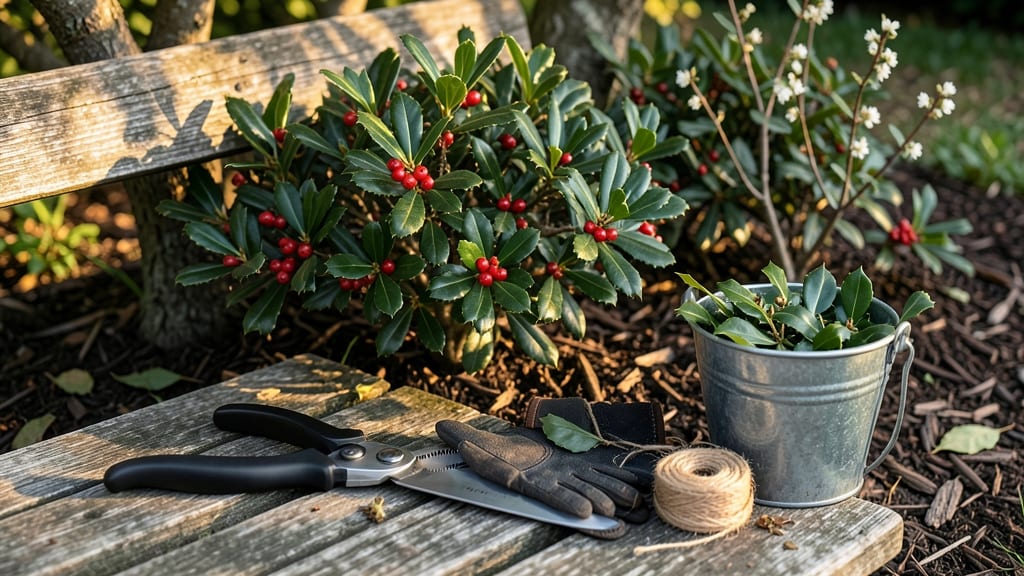
Trimming holly shrubs at the right time means the difference between lush spring growth and stunted, weak branches. ✂️ Late winter—just as buds swell but before new leaves emerge—is the best window. This timing avoids damaging next year’s flowers and berries while giving your shrubs a strong start.
The key is working before spring blooms appear, usually between late January and early March in most regions. In mild climates, wait until February to avoid encouraging early growth that could freeze. Cold winters? Prune as soon as the ground thaws but before buds burst.
You’ll need clean, sharp pruners and a clear day to see branches. After trimming, give your holly a light watering if the soil is dry—this helps it recover faster. Avoid heavy pruning; holly responds best to light shaping and removing dead wood.
The payoff? Thicker foliage, more berries, and a fuller shape by summer. Just skip this step in fall—pruning then risks exposing tender new growth to winter damage.
📚 In This Guide
- What you need
- Instructions
- Tips and common mistakes
- Wrapping up and next steps
What you need
- ● Bypass Pruners: Sharp, high-quality bypass pruners (4-6 inch blades) for clean cuts on smaller stems.
- ● Loppers: For thicker branches (1-2 inch diameter), opt for loppers with a 6-8 inch blade.
- ● Pruning Saw: A curved-tooth pruning saw for any stubborn, woody branches larger than 2 inches.
- ○ Hand Pruners (Optional):strong> For fine-tuning and detail work on delicate stems.
- ● Gloves: Heavy-duty gardening gloves to protect your hands from thorns and rough branches.
- ● Safety Goggles: To shield your eyes from debris, especially when sawing larger branches.
- ○ Pruning Sealer (Optional):strong> A fast-drying sealer to coat larger cuts and prevent disease (if trimming in late winter).
- ● Garden Bags or Bin: For collecting and disposing of trimmings.
- ● Rake or Broom: To clean up fallen leaves and debris after pruning.
- ● Weather Check: Choose a day with calm winds and temperatures above freezing (ideally between 40-60°F).
- ● Research Your Holly Variety: Some holly types (like Ilex crenata) may have slightly different pruning needs—know your plant!
- ● Tool Sharpening: Ensure all blades are sharp and clean to make precise cuts and avoid damaging the plant.
Step-by-step guide to pruning holly shrubs for optimal spring growth
Timing matters—here’s exactly when and how to trim holly for lush, vibrant foliage next season.
⏰ Step 1: Choose the Right Pruning Window
Late winter is your golden hour—prune holly shrubs after the last hard frost but before new growth begins, typically February through early March in most climates. This timing ensures you’re not cutting back into next year’s buds, which form in late summer and winter. Check your local frost dates, and wait until temperatures stay consistently above 32°F for a few days.
You’ll know it’s time when the ground thaws but before those first bright green leaves push through the soil. Holly responds best to pruning when it’s still dormant but the worst of winter’s chill has passed. If you prune too early, you risk exposing tender new growth to late frosts. If you wait too long, you’ll cut into spring’s fresh shoots.
✂️ Step 2: Gather Tools and Prepare the Workspace
Use clean, sharp pruning shears (sterilize with rubbing alcohol) and bypass pruners for larger branches—never dull tools, as they tear rather than cut cleanly. Wear gloves (holly berries are sharp!) and have a bucket ready for clippings. Clear away fallen leaves and debris from around the base of the shrub to create a clean workspace.
This is also the time to assess the holly’s shape. Step back and visualize where you’ll make cuts—holly thrives on an open, airy structure. Remove any dead, diseased, or crossing branches first. These are your "must-cut" branches, regardless of timing. Mark these with a small twig or flag so you don’t miss them in the excitement of shaping.
🌿 Step 3: Prune for Shape and Health
Start by removing dead or diseased branches at the base—cut back to healthy wood. Next, thin out overcrowded areas to improve airflow, focusing on branches that rub against each other. Holly responds well to light pruning, so avoid cutting back more than one-third of the shrub’s total volume in a single session. You’ll see the best results with gradual shaping over a few years.
For shaping, make cuts just above a bud or leaf node at a 45-degree angle to encourage water runoff. Avoid leaving stubs—these can rot and invite pests. If you’re pruning to encourage flowering, focus on removing older wood, as holly flowers appear on new growth. Step back frequently to check your progress; holly’s natural shape is conical, so aim to maintain that silhouette.
💧 Step 4: Post-Pruning Care for Recovery
Water the holly deeply after pruning to help it recover, especially if winter was dry. Mulch around the base with 2-3 inches of organic mulch (like shredded bark) to retain moisture and protect roots from temperature swings. Avoid heavy mulch piles against the trunk, which can cause rot. This is also the perfect time to fertilize lightly with a balanced, slow-release fertilizer to support new growth.
Watch for new shoots emerging within 4-6 weeks. Healthy growth will appear as bright green leaves along the stems. If you see yellowing leaves or wilting, it’s a sign of over-pruning or stress—holly is resilient, but it won’t bounce back from aggressive cuts. Prune lightly in subsequent years to maintain shape and encourage dense foliage.
☀️ Step 5: Monitor and Maintain Through Spring
Keep an eye on your holly as spring progresses. If you notice bare patches where branches didn’t regrow, it’s a sign you pruned too aggressively. Holly is slow to recover, so patience is key. In late summer, you can do a light touch-up prune to shape any wayward growth, but avoid heavy cuts—this is when next year’s buds form.
This is also the time to plan for next winter’s pruning. Take notes on what worked and what didn’t—did certain branches regrow well? Were there areas that stayed bare? Adjust your approach for the following late winter session. Holly thrives on consistency, so sticking to this schedule will reward you with a lush, vibrant shrub year after year.
Tips & tricks for perfect late winter holly pruning
These game-changing tips will help you transform your holly shrubs into vibrant, healthy showstoppers for spring.
Timing is Everything: The February-through-March window is non-negotiable for holly pruning. I learned this the hard way—pruning too early in winter can expose tender buds to late frosts, while waiting too late risks cutting into spring's new growth. Check your local frost dates and wait until temperatures stay consistently above 32°F for several days. This is when the magic happens—your shrub is still dormant but ready to bounce back with new vigor. Look for thawed ground and no visible green shoots as your cue.
The Tool Test: Never skimp on pruning tools—dull shears create jagged cuts that invite disease. I always sterilize my tools with rubbing alcohol before starting, and I keep a small spray bottle of diluted bleach solution (1 part bleach to 9 parts water) on hand for quick disinfection between cuts. For larger branches, bypass pruners are your best friend—they make clean cuts without crushing the wood. And always wear gloves; those holly berries are sharp enough to draw blood if you're not careful!
Shape with Purpose: Holly thrives on an open, airy structure, so focus on creating airflow rather than just "making it look nice." When shaping, make cuts just above a bud or leaf node at a 45-degree angle—this encourages water runoff and prevents rot. I like to visualize the shrub's natural conical shape and work from the inside out, removing any branches that cross or rub against each other. Remember, holly responds best to gradual shaping over several years rather than dramatic changes in one session.
Recovery Boost: After pruning, give your holly a recovery boost by watering deeply and applying 2-3 inches of organic mulch around the base. This helps retain moisture and protects roots from temperature swings. I've found that adding a balanced, slow-release fertilizer at this time gives the shrub the nutrients it needs to produce strong new growth. Watch for those first bright green shoots within 4-6 weeks—they're your sign that everything's on track!
Pro Tips for Best Time To Trim Holly Shrubs
- These game-changing tips will help you transform your holly shrubs into vibrant, healthy showstoppers for spring.
- Timing is Everything: The February-through-March window is non-negotiable for holly pruning. I learned this the hard ...
- The Tool Test: Never skimp on pruning tools—dull shears create jagged cuts that invite disease. I always sterilize my...
Frequently asked questions
Got questions about trimming your holly shrubs? You’re not alone! Here are some of the most common concerns—and straightforward answers—to help you prune with confidence.
When is the absolute latest I can trim holly shrubs without hurting them?
The ideal window is late winter (February–March), but holly shrubs are forgiving. You can trim lightly into early spring (before buds swell) without major damage. Avoid pruning after mid-spring—new growth may not harden off for winter. If you missed the window, wait until next year’s dormant season!
Can I trim holly shrubs in fall instead of winter?
Fall pruning is not recommended for holly shrubs. Trimming too late in the season can stimulate tender new growth that won’t survive frost, leaving your shrub vulnerable to winter damage. Stick to late winter for the safest results—your holly will thank you with vibrant spring growth!
How do I know if I’ve trimmed my holly too much?
Over-pruning shows up as bare stems or a shrub that looks stressed (yellowing leaves, sparse foliage). Holly shrubs can handle a 25–30% reduction in size, but avoid cutting back more than ⅓ of the plant at once. If you’ve gone too far, focus on light maintenance next year to let it recover.
Do I need to sterilize my pruners after trimming holly?
Yes! Holly shrubs can carry fungal diseases like anthracnose or powdery mildew. Wipe blades with rubbing alcohol or a 10% bleach solution before and after pruning. This step prevents spreading pathogens to other plants in your garden.
What should I do if my holly shrub doesn’t bloom after pruning?
Holly flowers (and berries!) develop on old wood, so aggressive summer pruning can reduce blooms. If your shrub skips flowers, check if you pruned too late or too hard. For future blooms, prune lightly in late winter and avoid cutting back flower buds. Patience helps—healthy holly shrubs often rebound in 1–2 years!
Wrapping up and next steps
Trimming your holly shrubs in late winter—just before new growth begins—sets the stage for a lush, vibrant spring.
By removing dead or overgrown branches and shaping them thoughtfully, you’ll encourage healthier foliage, better berry production, and a tidier landscape. Don’t wait until summer! Timing is everything when it comes to pruning holly for long-term success.
Ready to give your holly shrubs the care they deserve? Grab your pruners, mark your calendar, and get pruning! With the right technique and timing, your holly will thrive—and you’ll enjoy stunning greenery and berries all season long. 🌿✨