
Landscaping
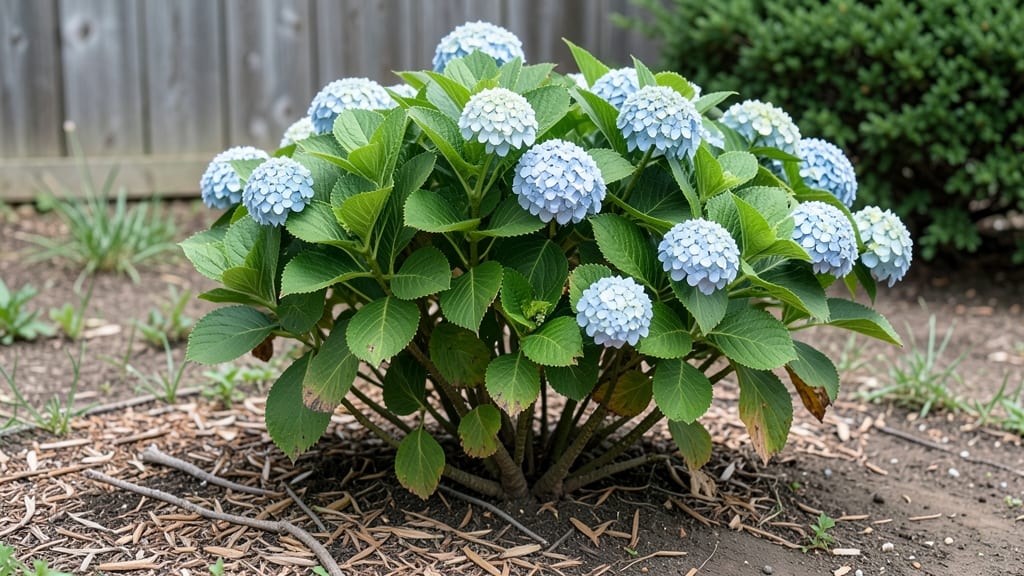
Decorative shrubs for landscaping are the unsung heroes of a garden that looks good in every season—whether you're framing a front door, creating privacy, or adding height to a modern design.
I spent years experimenting with different varieties until I found the perfect mix that gives my yard structure, color, and texture without demanding constant attention.
The key is choosing plants that fit your climate, mature size, and design goals—because the wrong shrub can turn a dreamy space into a high-maintenance headache.
Start with evergreens like boxwood or holly for year-round backbone, then layer in deciduous shrubs for seasonal pops of color—think purple smoke bush in fall or hydrangeas that bloom from summer into frost.
My go-to combinations include dwarf lilacs for fragrance, spirea for late-spring blooms, and ninebark for its peeling bark texture in winter. These shrubs thrive in full sun to partial shade, and most need only one pruning per year to stay tidy.
What you'll end up with is a landscape that feels intentional, not just thrown together. The right shrubs create depth, soften harsh lines, and even mask less attractive features like fences or utility boxes.
My favorite modern design trick? Planting shrubs in odd-numbered groupings—three or five plants instead of a straight line—to create natural-looking focal points. The payoff is immediate: a yard that looks polished with minimal work.
Works for any style—formal hedges, cottage garden borders, or minimalist modern plantings. The secret is matching shrubs to your goals: privacy, color, or texture—and sticking to a 3-5 plant palette to keep maintenance simple. Let's get your landscape looking effortlessly put-together.
Root Causes Of Shrub Struggles
Decorative shrubs add beauty and structure to any landscape, but sometimes they fail to thrive—or worse, they decline unexpectedly. Understanding why these issues occur is the first step to keeping your shrubs lush and healthy year-round.
Below, we break down the most common culprits behind poor shrub performance, explained in clear, actionable terms.
Shrubs are only as strong as the soil they grow in. If your soil lacks essential nutrients, drains poorly, or is too alkaline/acidic, shrubs can suffer from stunted growth, yellowing leaves, or even death.
- Compacted or Clay-Heavy Soil: Clay soil retains too much water, suffocating roots and cutting off oxygen. This leads to root rot (a fungal infection) and nutrient starvation. Test your soil—if it stays clumpy when wet, it’s likely compacted.
- Nutrient Deficiencies: Shrubs need a balance of nitrogen (N), phosphorus (P), and potassium (K), plus micronutrients like iron and magnesium. A soil test reveals deficiencies—e.g., yellow leaves (chlorosis) often signal low iron, while purple stems may mean phosphorus starvation.
- pH Imbalances: Most shrubs prefer a slightly acidic to neutral pH (6.0–7.0). Azaleas and rhododendrons, however, thrive in acidic soil (pH 4.5–6.0). If the pH is off, nutrients become unavailable, even if they’re present in the soil.
💡 Pro Tip: Amend soil with compost, peat moss (for acid-loving plants), or lime (to raise pH). For heavy clay, mix in sand or perlite to improve drainage.
Overwatering and underwatering are two of the fastest ways to kill a shrub. Both disrupt root function, leading to wilting, leaf scorch, or fungal diseases.
- Underwatering: Shrubs need 1–1.5 inches of water per week (including rainfall). Without enough moisture, roots shrink, leaves curl, and growth stalls. Drought stress also makes shrubs more susceptible to pests like spider mites.
- Overwatering: Soggy soil starves roots of oxygen, inviting Phytophthora (a deadly fungus) and root rot. Signs include mushy stems, yellowing leaves, and a foul smell at the base.
- Irregular Watering: Uneven moisture—like deep soaks followed by dry spells—causes cracked soil and root damage. Shrubs need consistent moisture, especially in their first year.
🌡️ Actionable Fix: Water deeply but infrequently (2–3 times per week in dry spells). Use a soaker hose or drip irrigation to deliver water directly to the root zone. Mulch (2–4 inches of organic mulch) helps retain moisture and regulate soil temperature.
Shrubs have specific light requirements—planting them in the wrong spot stresses them, leading to weak growth, sunburn, or disease.
- Too Much Sun: Some shrubs (like hydrangeas or boxwoods) scorch in full sun, with leaves turning brown and crispy. Others, like azaleas, need partial shade to prevent leaf drop.
- Too Little Sun: Shrubs in deep shade (e.g., under tall trees) compete for nutrients and struggle to photosynthesize. This results in leggy, sparse growth and weak stems.
- Wind Exposure: Constant wind dries out leaves and can break branches, especially in young or flexible shrubs like weeping cherries. Plant windbreaks or choose hardy, compact varieties for exposed areas.
🎯 Solution: Research your shrub’s sun tolerance before planting. For example:
- Full sun (6+ hours): Lavender, butterfly bush, barberry
- Partial shade (3–6 hours): Hydrangeas, pieris, azaleas
- Full shade (<3 hours):** Japanese holly, some ferns
Shrubs are vulnerable to pests and pathogens, especially when stressed. Common culprits include insects, fungi, and bacteria that weaken or kill plants.
- Insect Pests:
- Spider Mites: Tiny pests that suck plant sap, causing yellow stippling on leaves. They thrive in dry, hot conditions.
- Scale Insects: Leave sticky residue (honeydew) and attract sooty mold. They often target weak or overwatered shrubs.
- Japanese Beetles: Skewer leaves, leading to skeletonized foliage. They’re most active in summer.
- Fungal Diseases:
- Powdery Mildew: A white, powdery coating on leaves, caused by high humidity and poor airflow.
- Root Rot: Caused by overwatering and compacted soil, leading to mushy, blackened roots.
- Canker: Sunken, dead patches on stems/branches, often from wounds or fungal spores.
- Bacterial Issues:
- Bacterial Leaf Spot: Dark, water-soaked spots on leaves, spreading in wet, warm weather.
- Fire Blight: A bacterial infection causing blackened, wilted branches (common in roses and cotoneasters).
🔥 Prevention Tips:
- Inspect shrubs regularly for early signs of pests.
- Use neem oil or insecticidal soap for mild infestations.
- Prune infected branches 6 inches below damage and sterilize tools with rubbing alcohol.
- Improve air circulation by spacing shrubs properly and avoiding overcrowding.
By identifying the root cause of your shrub’s struggles—whether it’s soil, water, light, or pests—you can take targeted action to revive and protect them. Most issues are fixable with the right adjustments!
Revitalize Your Shrubs Now
Decorative shrubs are the backbone of your landscape, offering structure, color, and texture year-round. But when they look lackluster, overgrown, or diseased, they can turn your yard from a showstopper into a letdown.
The good news? Most issues have simple, effective fixes—plus a few easy prevention tips to keep your shrubs thriving. Let’s tackle the most common problems head-on with actionable solutions.
Cause: Shrubs left unpruned grow too tall, wide, or leggy, losing their shape and crowding other plants.
How to Fix It: 🔪 Prune at the Right Time
- For spring-blooming shrubs (like lilacs or forsythia), prune right after flowering—never in fall or winter, as you’ll cut off next year’s blooms.
- For summer-blooming shrubs (like hydrangeas or abelia), prune in late winter or early spring before new growth starts.
- Evergreens (like boxwoods or junipers) can be shaped anytime, but avoid heavy pruning in late summer to prevent winter damage.
👨🍳 Thin Out Crowded Branches
- Remove 1/3 of the oldest stems at the base to encourage new growth and improve airflow.
- Use clean, sharp pruners (or loppers for thicker branches) and make cuts at a 45-degree angle just above a bud or lateral branch.
🌡️ Prevention Tips:
- Schedule light pruning 2-3 times a year (spring, summer, and early fall) to maintain shape.
- Fertilize in early spring to encourage controlled, healthy growth.
- Avoid over-fertilizing—it leads to soft, weak growth that’s prone to breakage.
Cause: Dark spots, powdery mildew, or leaf drop often signal fungal infections, usually from poor airflow, overwatering, or stressed plants.
How to Fix It: 💡 Improve Air Circulation
- Space shrubs properly (follow spacing guidelines on plant tags) to reduce humidity buildup.
- Thin out dense foliage by removing inner branches that block airflow.
🍄 Treat Fungal Issues
- Remove and destroy infected leaves (don’t compost them!) to prevent spread.
- Apply a fungicide (like neem oil, copper fungicide, or a baking soda spray) every 7-10 days until the issue clears.
- For powdery mildew, spray leaves undersides too—that’s where spores love to hide.
🌡️ Prevention Tips:
- Water at the base (not overhead) to keep foliage dry.
- Avoid planting shrubs too closely together—aim for 3-5 feet apart depending on the variety.
- Choose disease-resistant varieties (e.g., ‘Annabelle’ hydrangeas resist powdery mildew).
Cause: Chewed leaves, sawdust-like frass, or sticky sap mean pests (like spider mites, aphids, or borers) are feasting on your shrubs.
How to Fix It: 🔍 Identify the Culprit
- Spider mites? Look for tiny webs on undersides of leaves.
- Aphids? Check for clusters of small, soft-bodied insects and curled leaves.
- Borers? Sawdust-like frass at the base of stems or exit holes in bark.
🍳 Natural Remedies
- Spider mites/aphids: Spray with a soapy water solution (1 tsp mild dish soap + 1 quart water) or introduce ladybugs.
- Borers: Apply beneficial nematodes (like Heterorhabditis bacteriophora) to the soil—they’ll hunt larvae.
- Caterpillars/slugs: Use beer traps (bury a cup filled with beer) or diatomaceous earth around the base.
🌡️ Prevention Tips:
- Encourage natural predators (birds, lacewings) by adding a small water feature or native plants.
- Inspect new plants before bringing them home—quarantine for a week if possible.
- Avoid broad-spectrum pesticides—they kill beneficial insects too.
Cause: Yellowing leaves, wilting, or a foul smell from the soil mean roots are drowning in soggy conditions.
How to Fix It: ⏰ Improve Soil Drainage
- Amend the soil with compost or organic matter to loosen heavy clay.
- Raise the planting bed by mounding soil or using gravel at the bottom of the hole.
- If the shrub is already planted, dig a drainage trench around the base to redirect water.
💡 Adjust Watering Habits
- Water deeply but infrequently—aim for 1-1.5 inches per week (including rain).
- Avoid watering at night to prevent fungal growth.
- If the shrub is severely affected, consider transplanting to a sunnier, drier spot.
🌡️ Prevention Tips:
- Plant in well-draining soil—test your soil’s drainage by digging a hole, filling it with water, and timing how long it takes to drain (ideal: 4-6 hours).
- Choose shrubs suited to your climate (e.g., Pieris japonica for wetter areas, Cotoneaster for drier ones).
- Mulch properly—use 2-3 inches of mulch but keep it away from the stem to prevent rot.
Cause: Brown, crispy leaves or dead branches after winter mean cold, wind, or frost damage.
How to Fix It: 🔥 Prune Dead Growth
- Remove all dead, damaged, or crossing branches in late winter or early spring.
- Cut back to healthy green tissue—don’t leave stubs.
🍳 Protect Young or Tender Shrubs
- Wrap vulnerable stems (like young boxwoods) with burlap or frost cloth in late fall.
- Use anti-desiccant sprays (like Wilt-Pruf) in late fall to prevent moisture loss.
🌡️ Prevention Tips:
- Choose cold-hardy shrubs for your zone (e.g., Holly, Juniper, or Winterberry).
- Avoid heavy pruning in fall—it stimulates new growth that won’t harden off before winter.
- Water deeply before the first hard freeze to help roots withstand cold.
Frequently asked questions
What are the best low-maintenance shrubs for beginners?
Start with hardy varieties like boxwoods (evergreen structure), dwarf lilacs (fragrant blooms), or spirea (colorful foliage). These thrive with minimal pruning—just shape lightly once a year and water consistently. For maximum ease, choose native shrubs like buttonbush or inkberry holly, which adapt to local soil and pests.
How do I create privacy with decorative shrubs?
Plant fast-growing evergreens like leucothoe or emerald green arborvitae in tight rows, spacing them 3-4 feet apart for a solid screen. For quicker results, mix in bamboo (clumping varieties) or privet hedges. Mulch heavily to suppress weeds and maintain moisture. Pro tip: Layer shrubs of different heights (tallest at the back) for depth.
Can I mix flowering and evergreen shrubs in the same landscape?
Pair evergreens like boxwoods (structure) with seasonal bloomers like hydrangeas or butterfly bush. Place evergreens as "backbone" plants and flowering shrubs in front for color. Just ensure their sun/water needs align—e.g., hydrangeas need consistent moisture while juniper thrives on drought tolerance. This combo works for modern, cottage, or formal gardens.
How often should I prune decorative shrubs?
Most shrubs need one major pruning per year (timing depends on blooming season) plus light shaping as needed. Spring-bloomers (like lilacs) prune after flowering, while summer-bloomers (like abelia) prune in late winter. Evergreens can be shaped 2-3 times annually for manicured looks. Always use clean tools and avoid cutting more than 1/3 of the plant at once.