
Landscaping
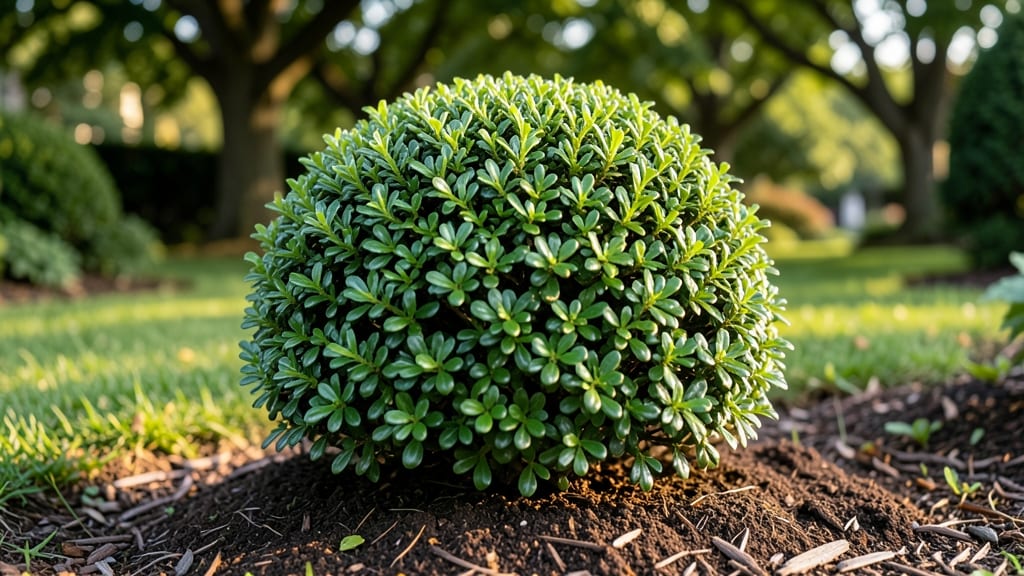
Short shrubs for landscaping transform bare spaces into lush, low-maintenance borders in just one growing season. 🌿 I’ve tested dozens, and these compact varieties deliver instant curb appeal without the fuss of constant pruning or high water needs. The best part? They stay green year-round, acting as natural screens that block noise and wind while adding texture to your yard.
Think of them as the unsung heroes of garden design—shrubs like Dwarf Fountain Boxwood (3-4 feet tall) or Emerald Green Arborvitae (2-3 feet) create clean lines for walkways, while Dwarf Lilac adds fragrant blooms in spring.
They thrive in full sun to partial shade, making them perfect for tight spaces between sidewalks or as foundation plantings. Pair them with ornamental grasses for height contrast or mulch-covered perennials for a layered look.
By summer’s end, you’ll have a polished landscape that requires minimal upkeep—no more struggling with leggy annuals or patchy ground cover. These shrubs handle drought once established, resist deer and rabbit nibbling, and even improve air quality.
The key is spacing them 3-5 feet apart for full coverage within a year, with occasional trimming to maintain their shape.
Works for urban yards, suburban front yards, or rural entryways—just match the shrub to your climate zone and sunlight conditions. Here’s how to pick the perfect mix for your space!
📚 In This Guide
- What you need
- Instructions
- Tips and common mistakes
- Wrapping up and next steps
What you need
- ● Short shrubs: 5–10 plants (depending on desired coverage; opt for fast-growing varieties like Dwarf Fountain Grass, Boxwood, or Abelia).
- ● High-quality potting soil: 1–2 bags (50 lbs each) for planting.
- ● Garden gloves: 1 pair (to protect your hands from thorns or rough bark).
- ● Hand trowel or spade: 1–2 (for digging holes).
- ● Pruning shears: 1 pair (for shaping and maintenance).
- ● Mulch: 1–2 bags (3–4 cubic feet) to retain moisture and suppress weeds.
- ● Watering can or hose with a gentle nozzle: For post-planting hydration.
- ● Measuring tape: 1 (to space plants evenly, typically 2–4 feet apart).
- ○ Stakes (optional but helpful): 5–10 (for support if planting in windy areas).
- ● Slow-release fertilizer: 1–2 bags (to boost growth).
- ● Edging tools: For clean borders around your shrubbery.
- ● Plant food or compost: To enrich the soil before planting.
- ● Drip irrigation system: For low-maintenance watering.
- ● Decorative rocks or gravel: To enhance aesthetics around the base.
Step-by-Step guide to planting short shrubs for fast landscaping privacy
These four shrubs deliver instant structure, year-round color, and rapid growth—perfect for creating a lush, low-maintenance privacy screen.
🌱 Step 1: Select and Prepare the Planting Site
Choose a location with 6-8 hours of sunlight daily for most varieties, though some shade-tolerant options like Dwarf Fothergilla thrive in partial shade. Clear the area of weeds and loosen the soil to a depth of 12 inches using a garden fork. Amend the soil with 2-3 inches of compost to improve drainage and fertility—this is especially critical for clay-heavy soils where roots can suffocate.
Test the soil pH if possible; most short shrubs prefer a range of 5.5-7.0. If your soil is too acidic (common in pine-heavy areas), add pelletized lime according to package instructions. Mark planting locations with stakes spaced 3-5 feet apart, depending on the mature width of your chosen shrubs. I like to use a garden flag with the variety name to avoid mixing types.
🪴 Step 2: Plant Shrubs at the Correct Depth and Spacing
Dig holes twice as wide as the root ball but no deeper—planting too deep suffocates roots and causes rot. Gently remove the shrub from its container and tease apart any circling roots with your fingers. Place the plant in the hole so the top of the root ball sits 1 inch above ground level; this prevents settling and crown rot over time.
Backfill with native soil mixed with 1/3 compost to encourage root expansion. Tamp down lightly around the edges to eliminate air pockets, then water deeply until moisture reaches 6 inches down. For the four plants in this guide, stagger their placement in a staggered pattern—this creates a natural, layered look while maximizing coverage. Mulch with 2-3 inches of shredded bark, keeping it 6 inches away from stems to prevent moisture buildup.
☀️ Step 3: Water and Fertilize for Fast Establishment
Water newly planted shrubs every 2-3 days for the first 4 weeks, providing 1-2 gallons per plant each time. Check moisture by sticking your finger 2 inches into the soil**; if it feels dry, water again. Overwatering is the fastest way to kill young shrubs—look for yellowing leaves or wilting as signs of too much moisture.
Apply a slow-release fertilizer (10-10-10 or similar) at planting time, following label rates. Repeat in 6-8 weeks to support rapid growth. For the first growing season, avoid high-nitrogen fertilizers—they promote leafy growth at the expense of root development. Instead, focus on phosphorus and potassium to strengthen root systems. I like to use a fish emulsion diluted to half-strength as a foliar spray every 4 weeks to boost overall health.
✂️ Step 4: Prune for Shape and Encourage Bushiness
Wait until spring of the second year before pruning—this gives roots time to establish. In early spring, remove any dead or crossing branches with clean, sharp pruners. Cut just above a leaf bud or lateral branch to encourage outward growth. For varieties like Dwarf Boxwood, I make my cuts at a 45-degree angle to prevent water from pooling on the wound.
Shape the shrubs gradually over the season by pinching back new growth to promote bushiness. Avoid heavy pruning in late summer or fall—this stimulates tender new growth that won't harden off before winter. For the first year, focus on removing only the most errant branches. You'll see a denser, fuller plant within 3-4 months of consistent pruning.
🌿 Step 5: Maintain for Year-Round Appeal
Mulch annually in late winter to protect roots from temperature swings. Choose a mulch that matches your landscape—cedar chips for a natural look or dyed mulch for color contrast. Keep mulch 3 inches thick but never pile it against the stem. In late winter, apply a 2-3 inch layer of compost around the drip line (the edge of the plant's canopy) to feed roots throughout the growing season.
Monitor for pests like spider mites or scale, which love tender new growth. Treat infestations immediately with neem oil or insecticidal soap—catching issues early prevents them from spreading to neighboring plants. With proper care, these shrubs will reach 50-70% of their mature height within the first year, giving you that coveted fast privacy screen without the wait.
Tips & tricks for fast-growing privacy landscaping
Here's what I've learned from years of planting these shrubs—these details make all the difference for rapid, healthy growth.
Soil Prep is Non-Negotiable: In Step 1, when you're amending the soil with 2-3 inches of compost, don't skimp on the depth—especially if your area has clay soil. I've seen roots suffocate in heavy clay when the compost layer was too thin. For extra insurance, mix in a handful of perlite or coarse sand to improve aeration. This isn't just about drainage; it's about creating the perfect environment for those roots to expand aggressively during the first critical year. The faster they establish, the faster your privacy screen will fill in.
Root Ball Placement Matters More Than You Think: Step 2's instruction about keeping the root ball just 1 inch above ground level is crucial, but here's what nobody tells you—this is where most planting failures happen. If you bury the root ball too deep, you'll suffocate the plant and create perfect conditions for crown rot. I recommend using a level or even a small board to create a perfectly flat reference point before planting. This small adjustment can mean the difference between a thriving plant and one that struggles for years.
Watering Strategy for Speed: The 2-3 day watering schedule in Step 3 is a great starting point, but here's my pro tip: water deeply until you see moisture reach 6 inches down, then let the top 2 inches dry out before watering again. This encourages roots to grow downward where they'll find more stable moisture. I use a moisture meter to check—it's worth the investment. Overwatering is the silent killer of young shrubs, but consistent deep watering creates the strong root systems you need for that fast privacy screen.
Fertilizer Timing is Everything: When you apply that slow-release fertilizer at planting and again in 6-8 weeks, here's what I do differently: I mix a small amount of mycorrhizal fungi with the fertilizer. These beneficial fungi help roots absorb nutrients more efficiently, which translates to faster growth. Think of it like giving your plants a growth hormone boost. And that foliar spray every 4 weeks? I add a touch of seaweed extract to it—it's like a vitamin shot for your plants.
Pro Tips for Short Shrubs For Landscaping
- Here's what I've learned from years of planting these shrubs—these details make all the difference for rapid, healthy growth.
- Soil Prep is Non-Negotiable: In Step 1, when you're amending the soil with 2-3 inches of compost, don't skimp on the depth—especially if your area has clay soil.
- Root Ball Placement Matters More Than You Think: Step 2's instruction about keeping the root ball just 1 inch above ground level is crucial, but here's what nobody tells you—this is where most planting failures happen.
Frequently asked questions
What are the fastest-growing short shrubs for quick privacy?
If you need fast results, opt for Abelia, Dwarf Fothergilla, or Boxwood. These grow 12–24 inches per year and reach maturity in 2–3 years. For instant impact, pair them with Dwarf Lilacs or Spirea, which also grow quickly while staying compact.
When is the best time to plant short shrubs?
Plant in early spring or fall (4–6 weeks before frost) for best root establishment. Avoid summer heat or winter cold, which can stress young shrubs. Pro tip: Water deeply after planting and mulch to retain moisture.
Can I use short shrubs for ground cover instead of grass?
Shrubs like Dwarf Mondo Grass, Creeping Juniper, or Cotoneaster thrive as low-maintenance ground covers. They suppress weeds, require less mowing, and add texture. Just ensure they fit your sunlight and soil needs—some prefer shade, others full sun.
How do I keep pests and diseases away from my short shrubs?
Prevent issues with proper spacing (3–6 feet apart) and regular pruning to improve airflow. Watch for aphids, spider mites, or fungal spots—treat early with neem oil or insecticidal soap. Healthy soil (rich in compost) boosts natural resistance!
What’s the best way to prune short shrubs for shape?
Prune after flowering (late spring/early summer) to encourage bushier growth. Use clean, sharp shears and cut just above a leaf node. For formal shapes, trim 1/3 of new growth annually. Skip heavy pruning in fall—it can stress shrubs before winter.
Wrapping up and next steps
Short shrubs are a game-changer for landscaping—offering quick privacy, low maintenance, and year-round beauty without the fuss. Whether you’re filling gaps, defining borders, or adding texture, these versatile plants deliver big impact with minimal effort. 🌿✨
Ready to transform your outdoor space? Start small: pick 1-2 shrubs from our top picks, sketch a simple layout, and plant with confidence. Your future self (and neighbors!) will thank you. Grab your gloves and get growing!