
Shrubs
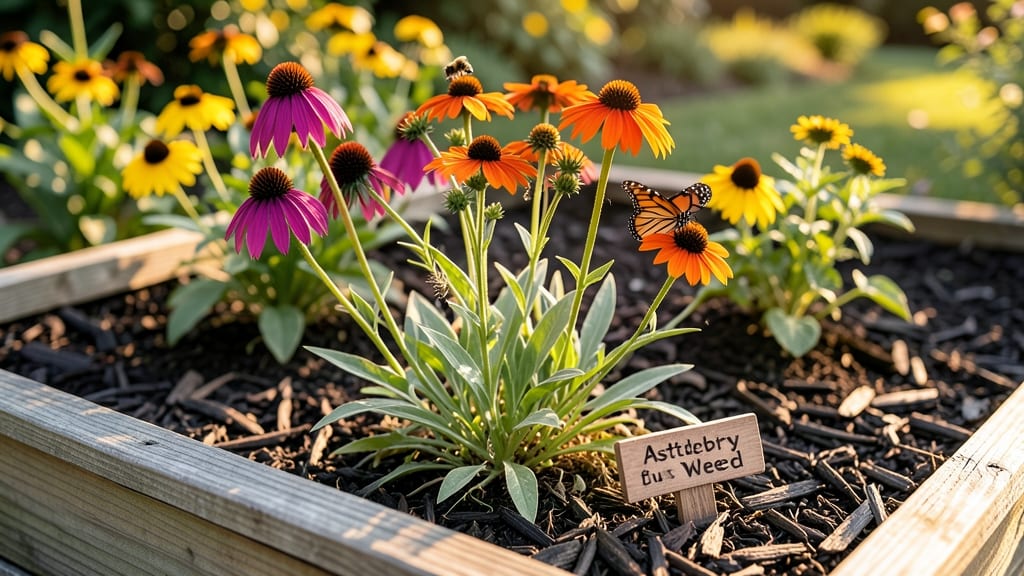
Iowa native shrubs like buttonbush and elderberry create stunning privacy screens that thrive in harsh winters and support local wildlife. 🌿 These plants aren’t just cold-hardy—they’re fragrant, four-season showstoppers that turn your yard into a pollinator paradise without the fuss of exotic imports.
The best part? They demand almost no maintenance. No fancy fertilizers, no constant pruning—just plant them in the right spot, and they’ll grow into lush, fragrant hedges that outperform many non-native options. Buttonbush’s creamy summer blooms and elderberry’s berries feed birds all winter, while sumac’s fiery fall foliage adds drama.
You’ll end up with a yard that’s both beautiful and functional—privacy that smells amazing, supports local ecosystems, and looks great in every season. The right placement makes all the difference, whether you’re lining a fence, softening a property edge, or creating a wildlife-friendly border.
Perfect for gardeners who want low-effort impact and love the idea of helping native species thrive. Let’s talk placement and variety pairings next!
📚 In This Guide
- What you need
- Instructions
- Tips and common mistakes
- Wrapping up and next steps
What you need
- ● Native Iowa shrubs: Choose from 2-5 varieties like buttonbush (Cephalanthus occidentalis), sumac (Rhus glabra), spicebush (Lindera benzoin), or eastern red cedar (Juniperus virginiana). Buy 3-5 plants per 10 feet of space for a lush look.
- ● Organic mulch: 2-3 cubic yards (pine straw, wood chips, or shredded leaves) to retain moisture and suppress weeds.
- ○ Compost or slow-release fertilizer: 5-10 lbs per 100 sq. ft. (optional but helpful for nutrient-poor soil).
- ● Shovel or spade (for digging holes 2-3 times wider than the root ball).
- ● Garden trowel (for amending soil around roots).
- ● Wheelbarrow (to haul mulch, soil, or plants).
- ● Garden hose or watering can (with a gentle spray nozzle to avoid damaging roots).
- ● Pruners or loppers (for trimming dead branches post-planting).
- ● Measuring tape (to space plants 3-6 feet apart, depending on mature size).
- ● Sunlight assessment: Confirm your site gets partial to full sun (most Iowa natives tolerate both).
- ● Soil test: Check pH (aim for 6.0-7.5; amend with lime or sulfur if needed).
- ● Water source nearby: Shrubs need 1-2 inches of water weekly for the first year.
- ● Local nursery or online supplier: Source plants from Iowa-grown stock (e.g., Prairie Moon Nursery or local conservation plant sales).
- ● Erosion control fabric (for slopes or sandy soil).
- ● Drip irrigation kit (to automate watering).
- ● Deer repellent spray (if local wildlife is a concern).
- ● Native plant guidebook (for ID’ing and care tips).
Step-by-step guide to planting Iowa native shrubs for privacy
Here's how to create a fragrant, wildlife-friendly screen that thrives in Iowa's winters.
🌱 Step 1: Choose the Right Shrubs for Your Site
Select 4-6 varieties from Iowa natives like sumac (Rhus glabra), serviceberry (Amelanchier laevis), or wild plum (Prunus americana). These handle Iowa's Zone 4-5 winters and provide year-round interest. Sumac offers brilliant fall color, serviceberry produces edible berries, and wild plum delivers early spring blooms.
Consider your space: sumac grows 10-15 feet tall, perfect for quick privacy, while serviceberry stays 10-12 feet with a rounded form. For lower borders, spirea (Spiraea alba) hits 3-5 feet with fragrant spring blooms. Check each plant's mature size before buying—crowding leads to weak growth.
🪴 Step 2: Prepare the Planting Site
Pick a location with full sun to partial shade (at least 4-6 hours of direct sun). Iowa's clay soil drains poorly, so amend the area with 2-3 inches of compost mixed into the top 12 inches of soil. This improves drainage while retaining moisture for drought years.
Dig holes twice as wide as the root ball but only as deep as the container's root level. Place plants 6-10 feet apart (depending on variety) to allow mature growth without overcrowding. For a layered effect, plant taller shrubs at the back and shorter ones in front.
☀️ Step 3: Plant and Water Deeply
Remove plants from containers and loosen any circling roots with your fingers. Place each shrub in its hole so the top of the root ball sits 1 inch above ground level—this prevents soil settling from burying the stem. Backfill with native soil, pressing gently to eliminate air pockets.
Water deeply until moisture reaches 12 inches down (use a trowel to check). Mulch with 2-3 inches of wood chips, keeping mulch 3 inches away from stems to prevent rot. Water again after 2-3 days to settle the soil—this helps roots establish before Iowa's dry spells.
✂️ Step 4: Prune for Shape and Health
Prune in early spring before new growth starts. Remove dead or crossing branches first, then shape the shrub by cutting back overgrown stems to just outside a healthy bud. For sumac, prune lightly each year to maintain its natural form—heavy pruning stresses these shrubs.
Serviceberry benefits from light annual pruning to encourage flowering spurs. Never prune in fall—new growth won't harden off before winter. If a shrub looks leggy, cut back 1/3 of the oldest stems to the ground to stimulate new growth from the base.
🌿 Step 5: Maintain for Long-Term Success
Water deeply once weekly during Iowa's first growing season (spring through fall) unless rain provides 1 inch of moisture. Native shrubs handle drought once established, but young plants need consistent moisture. After the first year, water only during prolonged dry spells.
Fertilize only if needed—Iowa's native soils often have enough nutrients. If leaves yellow in spring, apply ½ cup of 10-10-10 fertilizer around the drip line in early April. Avoid high-nitrogen fertilizers, which promote weak growth that struggles in winter.
Tips & tricks for perfect Iowa native shrub plantings
Creating a thriving native shrub screen takes thoughtful planning—here's how to avoid common pitfalls and maximize success.
Plant Selection Strategy: When choosing your 4-6 varieties, prioritize one "anchor" shrub like sumac for height and structure, then balance with serviceberry for berries and spirea for fragrance. I've found that pairing sumac (10-15 feet) with serviceberry (10-12 feet) creates natural vertical layers without overcrowding. For smaller spaces, wild plum's 8-12 foot height works beautifully as a mid-level focal point.
Soil Prep Secret: Iowa's heavy clay soil needs that 2-3 inch compost amendment—but don't just mix it in superficially. Use a broadfork to loosen the top 12 inches while incorporating compost. This creates channels for roots to penetrate deeply, which is crucial during summer droughts. I've seen plants double their growth rate when planted in properly amended soil compared to unamended areas.
Watering Wisdom: That first deep watering until moisture reaches 12 inches down is non-negotiable, but timing matters too. Water in the morning between 6-8am to reduce evaporation and fungal risks. The follow-up watering after 2-3 days helps settle the soil around roots—this simple step prevents that "sinking feeling" where plants settle below soil level after initial watering.
Pruning Precision: When pruning serviceberry, focus on removing stems that grow straight up rather than outward—these vertical stems produce fewer flowers. For sumac, I've learned to prune in early spring before new growth begins, but only remove dead wood and shape lightly. Heavy pruning triggers stress responses that make these native shrubs more vulnerable to Iowa's winter winds.
Pro Tips for Iowa Native Shrubs
- Creating a thriving native shrub screen takes thoughtful planning—here's how to avoid common pitfalls and maximize success.
- Plant Selection Strategy: When choosing your 4-6 varieties, prioritize one "anchor" shrub like sumac for height and structure, then balance with serviceberry for berries and spirea for fragrance.
- Soil Prep Secret: Iowa's heavy clay soil needs that 2-3 inch compost amendment—but don't just mix it in superficially.
Frequently asked questions
Got questions about Iowa native shrubs? You’re not alone! Here are some of the most common inquiries—plus straightforward answers to help you plant with confidence.
What’s the best time of year to plant Iowa native shrubs?
Spring or early fall are ideal for planting native shrubs in Iowa. These seasons offer mild temperatures, ample rainfall, and minimal stress for roots. Avoid extreme heat or frost, as they can hinder establishment. Planting in spring (March–May) gives shrubs time to root before winter, while fall (September–October) allows them to settle before dormancy.
Do I need to amend the soil before planting?
Native Iowa shrubs thrive in well-draining, slightly acidic to neutral soil (pH 6.0–7.5). While they’re adaptable, amending heavy clay soil with compost or sand improves drainage. Avoid over-amending—native plants prefer natural conditions. A simple soil test (available through Iowa State Extension) can guide minor adjustments.
Are Iowa native shrubs deer-resistant?
Some native shrubs, like sumac (Rhus spp.) or buttonbush (Cephalanthus occidentalis), are less appealing to deer due to their fuzzy leaves or bitter taste. However, no plant is 100% deer-proof. For extra protection, use deer repellents, fencing, or companion planting with fragrant herbs like rosemary or lavender.
How do I protect native shrubs from Iowa winters?
Most Iowa native shrubs are cold-hardy (USDA Zones 3–5), but young plants benefit from a 3-inch layer of mulch around the base to insulate roots. Avoid piling mulch against stems, which can cause rot. Evergreens like winterberry (Ilex verticillata) may need light winter watering if snow cover is minimal.
What’s a low-maintenance alternative to high-privacy shrubs?
If you want privacy without constant pruning, try eastern red cedar (Juniperus virginiana) or American hazelnut (Corylus americana). Both grow densely, tolerate drought, and provide year-round interest. For fragrant options, spicebush (Lindera benzoin) offers aromatic foliage and berries with minimal upkeep.
Why are my native shrubs losing leaves early?
Early leaf drop in Iowa native shrubs often signals stress from transplant shock, drought, or pests (like spider mites). Check soil moisture and inspect leaves for holes or webbing. Overwatering can also cause yellowing—ensure pots or beds have drainage. If the issue persists, consult a local nursery or extension office for targeted solutions.
Wrapping up and next steps
Native Iowa shrubs offer a low-maintenance, eco-friendly solution for year-round beauty and privacy—without compromising resilience in the Hawkeye State’s climate. 🌿 From fragrant blooms to wildlife-friendly habitats, these cold-hardy plants are perfect for gardeners who want both curb appeal and sustainability.
Ready to transform your landscape? Start by selecting the shrubs that best fit your space and soil, then plan your planting for early spring or fall.
🌱 Your Next Step:
- Sketch a simple layout of your yard to visualize shrub placement.
- Check local nurseries for native Iowa varieties to buy.
- Join a gardening group (online or in-person) for tips from fellow Iowans!