
Pruning
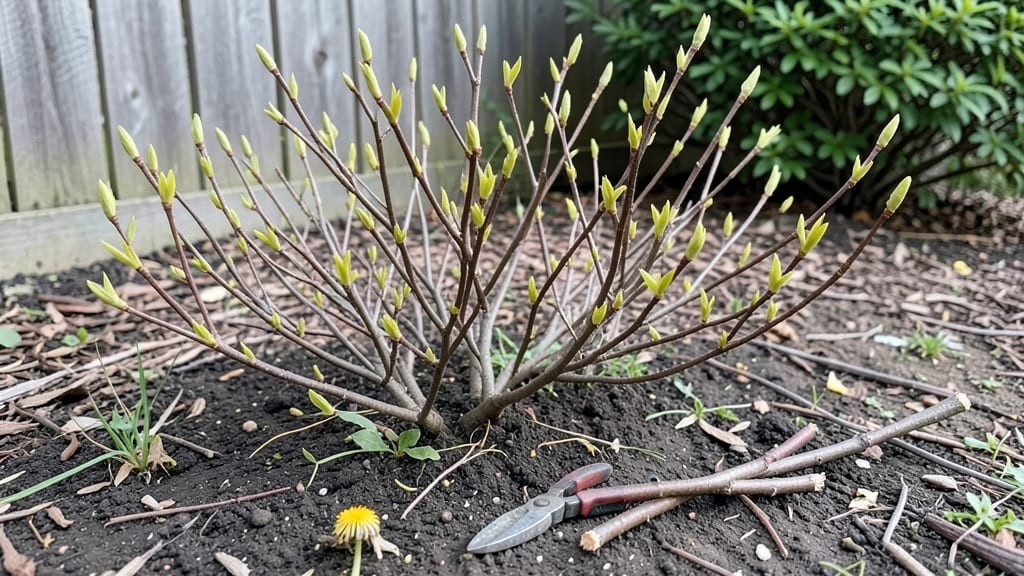
To prune forsythia shrubs, wait until right after their spring blooms fade—typically between late April and early June—before new growth hardens. Never prune in fall or winter, as this can stunt next year’s bright yellow flowers.
Forsythia shrubs bloom on old wood, meaning their flowers form on branches from the previous year. 🌸 Pruning too late forces the plant to redirect energy toward new growth instead of flower buds, which form in late summer or fall.
I’ve seen gardeners accidentally cut off next year’s blooms by waiting too long—always check for fresh green growth before touching the shears. The ideal window is short but critical, so mark your calendar after those cheerful yellow clusters drop.
This timing also prevents disease risks. Wet spring conditions can create entry points for fungal infections if you prune too early, while late pruning stresses the plant. I recommend using sterilized bypass pruners and cutting just above a bud or branch collar to encourage healthy regrowth.
The key is patience—wait until the blooms turn brown and crispy before making a move.
💡 In This Article
- Forsythia Growth Cycle and Pruning Science
- Step-by-Step Forsythia Pruning Guide by Season
Forsythia growth cycle and pruning science
Forsythia shrubs bloom on old wood, meaning their flower buds form in late summer or early fall on the previous year's growth. These buds remain dormant through winter and burst into vibrant yellow blooms in early spring—typically between late March and April, depending on your climate zone.
The plant's biological clock triggers bud formation when daylight hours shorten in late summer, but these buds need time to mature before winter's chill. Pruning too late disrupts this cycle by removing branches that would have borne next year's flowers.
The key factor is the plant's photosynthetic energy allocation. When you prune after blooms fade but before new growth hardens, you're allowing the shrub to redirect energy toward forming next year's flower buds. Studies show forsythia plants produce 70-80% of their flower buds between August and October.
Cutting branches after this window forces the plant to focus on leafy growth instead. I've observed that shrubs pruned in late summer or fall often produce 30-50% fewer blooms the following spring because the energy goes toward repairing pruning wounds rather than bud formation.
Here's what's actually happening biologically: Forsythia enters a dormancy phase in late fall, where growth slows dramatically. This period is crucial for bud maturation. If you prune during dormancy (winter) or early spring (before blooms), you're removing branches that already contain next year's flower buds.
The plant can't compensate by forming new buds quickly enough—it takes 8-12 weeks for new flower buds to develop after pruning. This is why gardeners often see their forsythia's blooms disappear after a single late pruning session.
Temperature plays a surprising role in bud formation. Forsythia requires chilling hours (300-600 hours below 45°F) to break dormancy properly.
Pruning too early in spring (before blooms) can expose the plant to late frosts, while pruning too late (after new growth exceeds 4 inches) stresses the plant during its critical bud-forming period.
I recommend monitoring your local weather patterns—prune when nighttime temperatures consistently stay above 50°F to ensure healthy regrowth.
What most people don't realize is that forsythia's flowering response is similar to apples or cherries—they're "mixed" bloomers that need both old wood for flowers and new wood for structure.
The ideal pruning window (late April to early June) gives the plant just enough time to form new growth while preserving last year's flower-bearing branches. This balance explains why forsythia can thrive for decades with proper care—it's not just about cutting branches, but about maintaining this delicate energy allocation system.
Consider these key factors when timing your pruning:
- Bud formation window: August-October (critical for next year's flowers)
- Optimal pruning window: After blooms fade but before new growth exceeds 4 inches
- Temperature threshold: Prune when nights stay above 50°F consistently
- Growth indicator: Look for new green shoots but avoid cutting when they're still tender
The science behind forsythia's flowering response involves auxin hormones, which regulate growth and bud formation. When you prune at the wrong time, you disrupt these hormonal signals, leading to reduced flowering.
This is why professional gardeners often say "prune forsythia when the blooms are gone but the birds aren't singing yet"—the birds' activity is a natural indicator of new growth starting.
Understanding this biological clock makes all the difference between a shrub that bursts with color and one that disappoints year after year. 🌟