
Shrubs
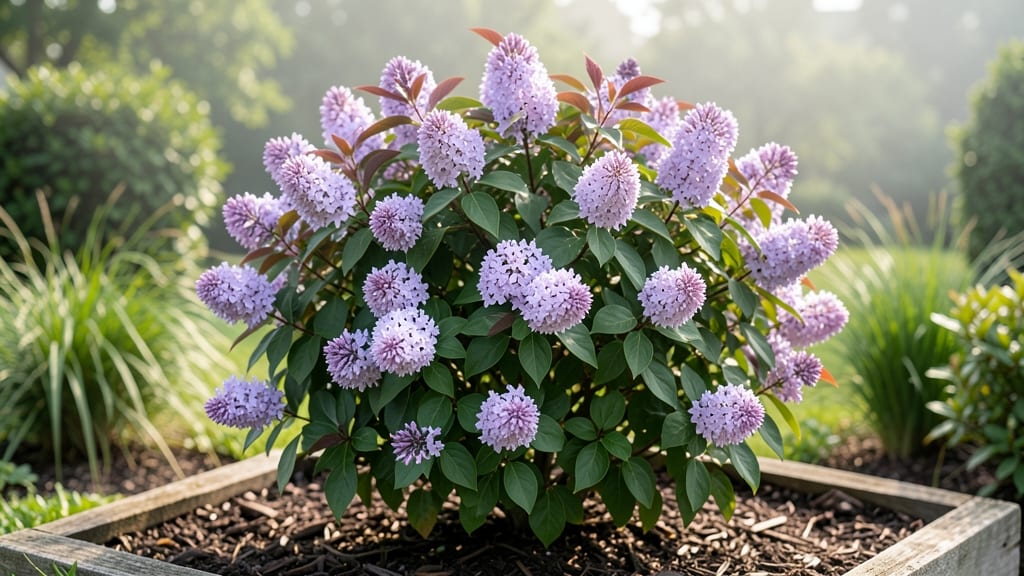
Your Sensation lilac shrub could be the fragrant centerpiece of your garden—if you prune it right. 🌸 I learned the hard way that timing makes all the difference between a bush bursting with blooms and one that barely puts out flowers.
The secret isn’t just when to cut, but how to shape it for maximum fragrance and vigor.
These lilacs thrive in full sun and well-draining soil, but their real magic happens after you prune. Start with clean, sharp shears and focus on removing old wood in late winter or early spring.
The goal? Encourage fresh growth where those signature purple blooms will appear. Over-pruning? You’ll stunt new flowers. Under-pruning? You’ll get a tangled mess.
By summer, you’ll see lush, glossy foliage and clusters of fragrant blooms that draw hummingbirds and neighbors alike. The key is consistency—prune annually, and your lilac will reward you with 10-14 days of intense fragrance every spring. Even black-thumbed gardeners can nail this with the right technique.
Works for both landscape shrubs and container plantings, though larger varieties need space to spread. Here’s how to keep yours thriving for decades—without the guesswork.
📚 In This Guide
- What you need
- Instructions
- Tips and common mistakes
- Wrapping up and next steps
What you need
- ● Pruning shears: Sharp, bypass-style shears (2–4-inch blade length) for clean cuts. Pro tip: 🔪 Sanitize blades with rubbing alcohol before and after use to prevent disease spread!
- ● Loppers: 1 pair (8–12-inch cutting range) for thicker branches (½–1 inch in diameter).
- ● Hand pruners: 1 pair (for fine-tuning smaller stems).
- ● Gloves: Heavy-duty gardening gloves (cut-resistant for safety).
- ● Disposable pruning bags: 2–3 (for collecting clippings and debris).
- ● Rake: Small handheld rake (for clearing fallen leaves/debris post-pruning).
- ● Pruning saw: If your lilac has thick, woody stems (rare but possible in mature shrubs).
- ● Ladder: A sturdy step ladder (if your shrub is over 6 feet tall).
- ○ Pruning sealant: (Optional) For sealing large cuts (follow package instructions).
- ● Notebook/pencil: To jot down notes on pruning cuts or growth patterns.
- ● Weather check: Prune on a dry, calm day (avoid rain or high humidity for 24 hours post-pruning).
- ● Safety first: Wear long sleeves/pants to protect against thorns.
- ● Know your shrub: Confirm it’s a Sensation Lilac (look for dark purple, fragrant blooms and upright growth habit).
Step-by-step instructions for reviving a Sensation lilac shrub
Here's how to coax your fragrant lilac back to full bloom with precise pruning timing.
☀️ Step 1: Identify the Right Pruning Season
Sensation lilacs bloom on old wood, meaning last year's growth produces this year's flowers. Prune immediately after blooming—within 2-4 weeks—when flower clusters fade but before new buds form. This timing ensures you never cut off next year's blossoms.
If you prune too early, you risk removing flower buds that haven't opened yet. Too late, and you encourage weak, leggy growth. Watch for brown flower clusters turning to seed pods—that's your signal to act.
✂️ Step 2: Remove Dead, Diseased, or Crossing Branches
Start by cutting out any dead wood (branches that snap when bent) or diseased stems (blackened, oozing, or with strange growths). Use clean, sharp pruners to make cuts at a 45-degree angle, about ¼ inch above a outward-facing bud.
Next, remove branches that cross or rub against others—these create wounds that invite pests. I always work from the bottom up, clearing out the oldest, thickest stems first. This opens the center and lets light reach all parts of the shrub.
⏰ Step 3: Thin Out Overcrowded Growth
Step back and look for thin, spindly branches growing inward. These compete with stronger stems for nutrients. Cut these back to their origin, making your cuts just above a healthy bud. Aim to leave 6-8 strong, outward-facing branches per shrub.
Don't remove more than ⅓ of the shrub's total growth in one year—this stresses the plant. You'll see new, vigorous shoots emerging from the base within 4-6 weeks of proper thinning.
🌿 Step 4: Shape for Airflow and Light Penetration
Use your pruners to create an open, vase-like shape. Cut back the longest branches by ⅓ of their length, always cutting just above a bud. Avoid leaving stubs—this invites disease. For thicker branches, make the cut ½ inch above a bud.
After shaping, step back and check for gaps in the canopy. Fill these by selectively pruning back competing branches. The goal is sunlight reaching all leaves and buds—this ensures strong, fragrant blooms next season.
💧 Step 5: Post-Pruning Care for Recovery
Water deeply right after pruning to help the shrub recover. Apply 2-3 inches of mulch around the base (but not touching the trunk) to retain moisture and suppress weeds. This is especially important if you pruned in late summer or fall.
Fertilize lightly with a balanced 10-10-10 formula in early spring to support new growth. Avoid heavy fertilizers after pruning—they encourage tender new shoots that can't survive winter.
Tips & tricks for perfect lilac shrub revival
Here's what I learned after years of pruning lilacs—these tricks make all the difference between a sad shrub and a fragrant, blooming beauty.
Timing is Everything: The 2-4 week window after blooming is your golden opportunity. I've missed it before and ended up with weak growth—don't skip this! Watch for those brown flower clusters turning to seed pods, and that's your exact signal to prune. Mark your calendar right after your lilacs bloom to set a reminder.
Tool Prep Matters: Before you even touch a branch, clean your pruners with rubbing alcohol to prevent spreading disease. I sterilize mine between every shrub, especially when working with diseased branches. You'll also want to sharpen your blades—dull pruners tear wood instead of making clean cuts, which invites infections.
Visual Cues for Perfect Cuts: When making your 45-degree cuts in Step 2, imagine you're cutting a slice of pizza—just above that outward-facing bud. For thicker branches, visualize a half-inch above the bud. This creates the perfect angle for water runoff and new growth. I always test my angle on a scrap piece of wood first to get the feel right.
Post-Pruning Recovery Boost: That 2-3 inches of mulch isn't just decoration—it's insulation for your shrub's roots. I've seen dramatic differences when I skip this step, especially in hot climates. Water immediately after pruning helps too—think of it as giving your lilac a drink after surgery. The deeper watering encourages strong root development for next year's blooms.
Pro Tips for Sensation Lilac Shrub
- Here's what I learned after years of pruning lilacs—these tricks make all the difference between a sad shrub and a fragrant, blooming beauty.
- Timing is Everything: The 2-4 week window after blooming is your golden opportunity.
- Tool Prep Matters: Before you even touch a branch, clean your pruners with rubbing alcohol to prevent spreading disease.
Frequently asked questions
Got questions about keeping your Sensation Lilac shrub thriving? You’re not alone—this fragrant beauty has a few quirks! Here are answers to the most common queries to help you prune like a pro.
When is the best time to prune a Sensation Lilac shrub?
The ideal window is late winter or early spring (just before new growth starts). Avoid pruning in fall or after flowering—this encourages weak growth and can reduce next year’s blooms. For heavy shaping, prune gradually over 2-3 years to avoid stressing the shrub.
How long does it take for a Sensation Lilac to recover after pruning?
Recovery time varies, but with proper care, your shrub should bounce back within 4-6 weeks. Focus on watering deeply (1-2 inches per week) and avoid heavy pruning in hot weather. New growth should appear in 2-3 weeks, signaling a healthy response!
Can I prune a Sensation Lilac after it blooms?
Yes, but lightly—just enough to shape or remove spent flowers. Heavy pruning after blooming can delay next year’s flowers since lilacs bloom on old wood. If you must prune post-bloom, do it only for maintenance and avoid cutting back more than 1/3 of the stems.
Why aren’t my Sensation Lilacs blooming this year?
Common culprits include:
- Over-pruning: Cutting back too aggressively removes next year’s flower buds.
- Poor nutrition: Lilacs thrive in well-draining soil with phosphorus (use a balanced fertilizer in early spring).
- Age or stress: Older shrubs or those recovering from disease may skip blooming. Give them time and proper care.
Are there alternatives to Sensation Lilacs for low-maintenance fragrance?
If Sensation Lilacs seem high-maintenance, consider these fragrant, low-fuss alternatives:
- Dwarf Lilacs (e.g., ‘Miss Kim’): Compact, bloom reliably, and need minimal pruning.
- Butterfly Bush (Buddleia): Fragrant, attracts pollinators, and tolerates drought.
- Mock Orange (Philadelphus): Creamy-white blooms with a sweet scent; prune lightly after flowering.
- Abelia: Semi-evergreen with fragrant blooms and no major pruning needs.
Wrapping up and next steps
The Sensation Lilac Shrub is a fragrant gem that thrives with the right care—especially when it comes to pruning! By timing your cuts correctly, you’ll encourage lush blooms, vibrant foliage, and a healthier plant for years to come.
Whether you’re a seasoned gardener or just starting, these tips ensure your lilac stays sensationally beautiful.
Ready to transform your garden? Grab your pruners, mark your calendar, and give your lilac the love it deserves—your yard (and nose!) will thank you. 🌸 Happy pruning!