
Pruning
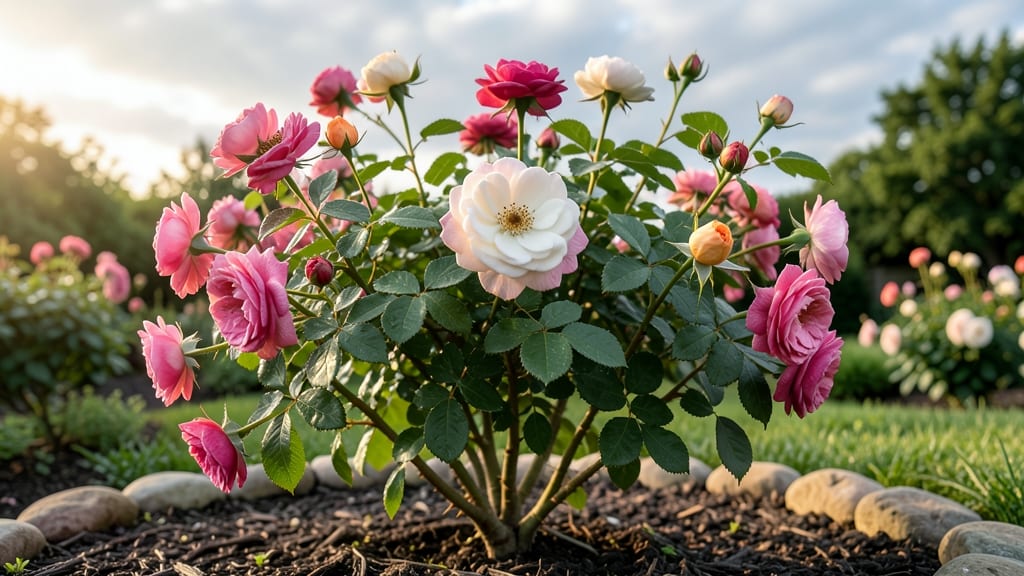
Growing a rose tree shrub that blooms reliably year-round starts with the right pruning timing—because when you cut, you control everything. ✨ I’ve spent years perfecting my approach, and the difference between a scraggly bush and a lush, fragrant masterpiece comes down to just a few key cuts at the right moments.
The secret isn’t complicated, but timing matters more than most gardeners realize.
First, you’ll need sharp pruners (dull blades crush stems), a clean workspace, and a clear goal: shape the bush to encourage strong growth while keeping it compact. Most people prune too late or too aggressively, which stresses the plant.
Instead, focus on three strategic cuts—early spring, mid-summer, and late fall—each serving a different purpose. The first cut in early spring removes dead wood and sets the stage for the season’s blooms, while the summer trim keeps flowers coming and the shape tidy.
By mastering this rhythm, you’ll end up with a rose shrub that smells like a summer garden even in winter. The blooms stay vibrant, the fragrance lingers, and the plant resists disease better because you’re not overcrowding branches.
I’ve seen roses that looked dead in January burst into life with just a little pruning love—it’s like giving them a fresh start every season.
This method works for all rose types—hybrid teas, floribundas, even climbing roses—so you can adapt it to your space. Whether you’re pruning a single bush or a whole hedge, the principles stay the same. Ready to transform your roses into a fragrant, year-round showstopper? Let’s get started.
📚 In This Guide
- What you need
- Instructions
- Tips and common mistakes
- Wrapping up and next steps
What you need
- ● Pruning shears – Bypass-style (sharp, clean blades), 5–7 inches long
- ● Loppers – For thicker branches (1.5–2 inches in diameter)
- ● Gloves – Heavy-duty, thorn-resistant (leather or reinforced fabric)
- ● Disinfectant (70% isopropyl alcohol or bleach solution) – 1 part bleach to 9 parts water
- ○ Pruning sealant (optional but recommended) – For large cuts (e.g., Tanglefoot Tree Wound Pruning Seal)
- ● Bucket or bag – For collecting pruned branches (5–10 gallon capacity)
- ● Garden hose or spray bottle – For cleaning tools between cuts
- ● Sharpie or marker – To label branches if grafting/propagating
- ● Hand pruners (felco-style) – For precision on small stems
- ● Safety glasses – Protects eyes from flying debris
- ● Knee pads – For comfort during long sessions
- ● Compost bin – To recycle pruned branches (if disease-free)
- ● Plant food (balanced fertilizer) – 10-10-10 or rose-specific formula
How to prune a rose tree shrub for year-round blooms
Here's the simple system I use to keep my roses blooming nonstop—no fancy tools, just timing and a sharp eye.
✂️ Step 1: Clean Up Dead Wood in Late Winter
Wait until your last frost date has passed, but before new growth starts. Grab your pruners and scan each branch—anything brown, brittle, or completely bare gets removed completely. I always cut back to a healthy bud or outward-facing growth point. This isn't about shaping yet, just clearing out last year's dead wood that would only drain energy.
Make cuts at a 45-degree angle about ¼ inch above a bud that faces outward. The angle helps water run off the stem instead of pooling. If you see any cankers (dark, sunken spots) on the stems, cut 6 inches below the affected area to prevent disease from spreading. I like to sterilize my pruners with rubbing alcohol between cuts on infected wood.
☀️ Step 2: Shape and Thin in Early Spring
Once you see new green growth popping from the buds (usually 2-3 weeks after your last frost), it's time to shape. Step back and look at your rose's natural form—you're aiming for an open center that lets light and air circulate. Remove any crossing branches or ones growing straight inward toward the center. These compete for sunlight and often get diseased.
Cut back one-third of last year's growth on each stem, always making your cuts just above an outward-facing bud. For flowering shrub roses, look for the first 5 strong buds from the base and cut just above the fifth one. This encourages bushier growth lower on the plant where flowers will appear. Never leave stubs—always cut to a bud. I find it helps to hold the stem where I want to cut, then make the angled slice upward.
🌿 Step 3: Light Maintenance After Each Bloom Cycle
Here's where the year-round magic happens: after each flush of flowers fades, do a quick light pruning. Grab your pruners and remove any spent blooms by cutting the stem just above the next set of leaves (or the first outward-facing bud). This might seem counterintuitive—why cut when flowers are still visible?—but it prevents the plant from wasting energy on seed production and redirects it to new blooms.
While you're at it, look for any branches that are growing too long or leggy. Cut them back by one-third to encourage branching. I do this every 4-6 weeks through summer and fall, which keeps my roses flowering continuously. The key is consistency—just 10 minutes every month makes a huge difference. Always clean your pruners with rubbing alcohol between cuts to prevent spreading disease.
⏰ Step 4: Final Light Pruning in Fall
About 6 weeks before your first expected frost, do one last light pruning to clean up the garden before winter. Remove any dead or diseased wood you missed earlier, and thin out any branches that are growing too densely. The goal is to let air circulate freely so the plant doesn't stay damp over winter, which can lead to fungal problems.
For hybrid tea roses, you can also do a light shaping cut to maintain their form. Just remember—this isn't about drastic changes. We're not removing more than 10-15% of the plant's total growth. Cut back any stems that have finished flowering for the year by one-third, and remove any suckers growing from the base. I like to mulch heavily after this final pruning to protect the roots through winter—about 3-4 inches of organic mulch keeps the soil insulated.
Tips & tricks for pruning rose tree shrubs
These simple tricks will help you keep your roses blooming beautifully all year—without the guesswork.
Timing is Everything: Those 2-3 weeks after your last frost for Step 2 are crucial. Check your local frost dates and mark your calendar! If you prune too early, you risk damaging new growth that hasn't hardened off yet. I always wait until I see fresh green growth popping from at least 50% of the buds before I start shaping.
The 45-Degree Angle Secret: When making cuts in Step 1 or Step 2, that 45-degree angle isn't just for looks—it creates a natural water runoff path. If you make straight cuts, water pools at the wound, which can lead to rot. Practice on a few branches first if you're new to this technique. The angle should be just steep enough that water runs off, not so steep it looks like you're cutting a wedge of cheese!
Bud Counting Made Easy: For flowering shrub roses in Step 2, finding the first 5 strong buds from the base can be tricky if you're not used to it. Here's my trick: Start at the base and count upward while gently bending each stem. The fifth bud is often easier to spot when you can feel the stem's natural growth pattern. If you're unsure, count back from a known bud—sometimes working backward helps.
Disease Prevention: That 6 inches below canker cuts in Step 1 and rubbing alcohol between cuts in Step 3 are non-negotiable. I keep a small bottle of 70% isopropyl alcohol in my gardening tool bag specifically for this. If you're dealing with a particularly diseased plant, you might want to disinfect your pruners between every 3-5 cuts to be extra safe. Prevention is always easier than dealing with fungal infections later!
Pro Tips for Rose Tree Shrub
- These simple tricks will help you keep your roses blooming beautifully all year—without the guesswork.
- Timing is Everything: Those 2-3 weeks after your last frost for Step 2 are crucial. Check your local frost dates and ...
- The 45-Degree Angle Secret: When making cuts in Step 1 or Step 2, that 45-degree angle isn't just for looks—it create...
Frequently asked questions
Got questions about caring for your rose tree shrub? You’re not alone! Whether you’re a newbie or a seasoned gardener, these common queries can help you keep your roses thriving year-round.
When is the best time to prune a rose tree shrub?
The ideal time to prune most rose tree shrubs is late winter or early spring (just before new growth starts). For fall-blooming varieties, prune lightly after they bloom. Avoid heavy pruning in late summer—it can stunt fall blooms!
How much should I cut back a rose tree shrub?
Typically, reduce the height by one-third and shape the shrub by removing dead, crossing, or weak branches. Cut just above an outward-facing bud (about ¼ inch above) for the best regrowth. Never leave stubs—this invites disease!
Can I prune roses in winter? Why or why not?
Light pruning (removing dead wood) is fine in mild winters, but avoid heavy cuts in freezing temps. Pruning stimulates new growth, which can be damaged by frost. Wait until dormant season is over (when buds swell) for the safest results.
What if my rose tree shrub isn’t blooming after pruning?
Lack of blooms often means too much pruning, poor sunlight (6+ hours/day needed), or over-fertilizing with nitrogen (which promotes leaves, not flowers). Try balanced fertilizer (like 10-10-10) and deadhead spent blooms to encourage more flowers!
Are there low-maintenance rose tree shrub alternatives?
Yes! Consider Knock Out® roses (disease-resistant, blooms all season) or climbing roses (like ‘New Dawn’) for easier care. Shrub roses like ‘Dr. Huey’ also thrive with minimal pruning—just shape them lightly twice a year!
Wrapping up and next steps
Transforming your rose tree shrub into a fragrant, year-round beauty is simpler than you think! By mastering pruning timing—whether in late winter, spring, or summer—you’ll encourage lush blooms and vibrant growth.
Remember, consistency and patience are key, so don’t hesitate to experiment with techniques that work best for your climate and rose variety.
Ready to elevate your garden? Grab your pruners and start today! 🌹 Whether you’re a seasoned gardener or just beginning, every snip brings you closer to a garden bursting with color and scent. Happy pruning!