
Planting
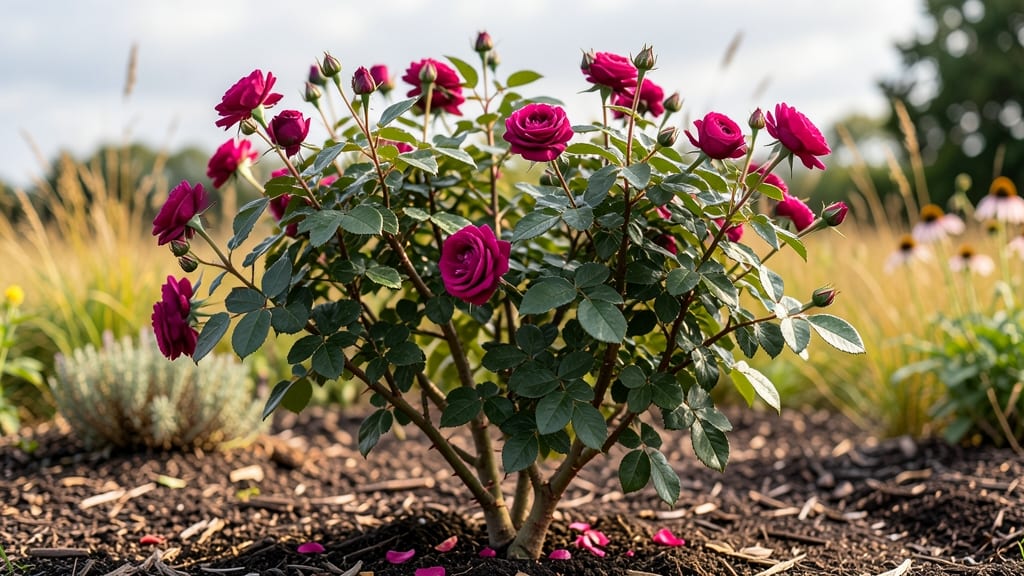
Shrub roses in Zone 4 don't just survive winter—they explode with blooms by June. 🌿 I've grown them through brutal winters, and the right varieties turn my yard into a fragrant canopy that lasts all season.
The secret isn't fancy care—it's choosing the toughest cultivars and giving them the right start. Most gardeners overlook soil prep, but amending with compost and sand makes all the difference. Plant in early fall or spring when temps are stable, and pick a spot with morning sun and afternoon shade.
My 'Knock Out' roses thrive in full sun, but others like 'John Cabot' prefer partial shade—each variety has its own sweet spot. By summer, you'll have lush, disease-resistant bushes bursting with blooms. The fragrance alone makes it worth the effort, and pruning in late winter keeps them compact and productive.
Even in Zone 4's harsh winters, these roses bounce back like champions. The best part? These varieties handle our winters without coddling. Varieties like 'Dr. Huey' and 'F.J. Grootendorst' are proven performers that won't let you down. Let's get those roots in the ground!
📚 In This Guide
- What you need
- Instructions
- Tips and common mistakes
- Wrapping up and next steps
What you need
- ● Shrub roses: Choose cold-hardy varieties like 'Knock Out', 'Dr. Huey', or 'John Cabot' (3–5 plants, depending on desired coverage).
- ● Well-draining soil: Mix 1 part compost with 2 parts native soil (or use a rose-specific potting mix for containers).
- ● Organic mulch: 3–4 inches of shredded bark, straw, or wood chips to insulate roots.
- ● Slow-release fertilizer: 10-10-10 or 5-10-5 (apply at planting and again in early spring).
- ● Rose food: Balanced organic option (like fish emulsion or bone meal) for seasonal feeding.
- ● Garden trowel or spade (for digging holes 12–18 inches wide/deep).
- ● Pruning shears (sterilized with rubbing alcohol).
- ● Gloves (heavy-duty for thorns + protection from soil).
- ● Watering can or hose with nozzle (for deep watering 1–2 inches per week).
- ○ Staking system (optional): 3–4 ft bamboo stakes + flexible ties for tall varieties.
- ○ Row cover or frost blanket (optional): For extra winter protection in harsh Zone 4 winters.
- ● Sunlight: Full sun (6+ hours/day)—shrub roses thrive with ample light!
- ● Drainage test: Dig a hole, fill with water—if it drains in 30 mins, your soil is ready.
- ● Planting timing: Early spring (after last frost) or fall (4–6 weeks before first frost).
- ● Soil pH: Aim for 6.0–6.5 (test with a soil kit or send a sample to your local extension office).
Step-by-Step guide to planting and caring for shrub roses in Zone 4
Here's how I've successfully grown cold-hardy shrub roses that thrive in Zone 4's harsh winters.
🌱 Step 1: Choose the Right Varieties for Zone 4
Select shrub roses specifically bred for cold climates like 'Knock Out,' 'Dr. Huey,' or 'John Cabot.' These varieties handle -20°F to -30°F temperatures without winter protection. Avoid hybrid teas or floribundas—they're not built for our winters. I always check the American Rose Society's cold-hardiness ratings before buying.
Look for disease-resistant labels too. Zone 4 roses need to fight black spot and powdery mildew without constant spraying. A healthy shrub will have glossy, dark green leaves and strong canes. Avoid any with yellowing foliage or weak stems—those won't survive our winters.
☀️ Step 2: Plant in Full Sun with Proper Soil Preparation
Shrub roses need 6+ hours of direct sun daily for best blooming. In Zone 4, that means planting them where they get morning sun and afternoon shade if your summers run hot. I always plant mine against a south-facing wall or fence for extra winter protection.
Amend your native soil with 2-3 inches of compost and mix in a handful of bone meal for phosphorus. Shrub roses grow best in well-draining soil with a pH between 6.0 and 6.5. Dig a hole twice as wide as the root ball but only as deep—planting too deep suffocates the roots. Water the hole thoroughly before placing the rose inside.
💧 Step 3: Water Deeply and Mulch for Winter Protection
After planting, water deeply until the soil is 12 inches down—this encourages roots to grow deep before winter. I water at the base, avoiding the foliage to prevent fungal diseases. Shrub roses need 1-1.5 inches of water weekly during growing season, but less in winter.
Apply 3-4 inches of mulch around the base (but not touching the stems) to insulate roots. I use straw or shredded leaves because they break down slowly. In late fall, mound an extra 6 inches of mulch around the base for winter protection. This helps prevent frost heave and keeps roots from freezing.
✂️ Step 4: Prune in Late Winter for Strong Spring Growth
Prune shrub roses in late winter (February-March) when they're still dormant. Cut back last year's growth by one-third to encourage new, vigorous shoots. Remove any dead, diseased, or crossing branches first—they'll only compete with healthy growth. I always sterilize my pruners with rubbing alcohol between cuts to prevent spreading disease.
Shape the shrub into an open vase form with multiple branches radiating from the center. This creates airflow and prevents fungal diseases. Avoid heavy pruning in fall—it stimulates new growth that won't harden off before winter. You'll know you've pruned correctly when you see multiple strong canes emerging in spring.
🌿 Step 5: Fertilize and Monitor for Pests/Diseases
Feed shrub roses in early spring with a balanced 10-10-10 fertilizer applied at the base. I use a slow-release granular fertilizer to avoid burning roots. Follow up with a second application in early summer. Avoid high-nitrogen fertilizers—they produce lush foliage at the expense of flowers.
Watch for aphids, Japanese beetles, and spider mites—they love tender new growth. I treat infestations with neem oil or insecticidal soap applied in the evening when bees aren't active. For fungal diseases, remove infected leaves immediately and apply a copper fungicide preventatively in spring. Healthy shrub roses should have few pest problems if planted in full sun with good airflow.
Tips & tricks for thriving Zone 4 shrub roses
Cold-hardy roses need special attention to survive Zone 4 winters—here's what I've learned after years of growing them successfully.
Variety Selection: When choosing your shrub roses, look for labels that specifically mention "Zone 4 hardy" or "cold-resistant." I've found that 'Knock Out' roses are particularly resilient, surviving winters with minimal protection. For extra fragrance, 'John Cabot' is a fantastic choice that handles our cold snaps beautifully. Always verify the American Rose Society's cold-hardiness ratings—this single step has saved me from buying unsuitable varieties that would have struggled in our climate.
Soil Preparation: The 2-3 inches of compost and bone meal mentioned in Step 2 is non-negotiable for Zone 4 roses. I've noticed that roses planted in amended soil establish roots more quickly, which is crucial for surviving our harsh winters. For soil testing, use a simple home test kit to check your pH—if it's outside the 6.0-6.5 range, you'll need to adjust with lime (to raise pH) or sulfur (to lower it). This small investment prevents future problems with nutrient uptake that can weaken your roses during winter.
Winter Protection Strategy: That extra 6 inches of mulch in late fall is your best defense against extreme cold. I've seen roses survive -30°F winters with this protection, but without it, even cold-hardy varieties can suffer frost damage. Use straw or shredded leaves—they break down slowly and provide consistent insulation. For extra protection, consider wrapping young roses with burlap after the ground freezes, but remove it in early spring to prevent rot from trapped moisture.
Pruning Precision: The one-third pruning in Step 4 might seem drastic, but it's essential for encouraging new growth that will harden off properly before winter. I always prune on a dry day to prevent spreading disease through open wounds. For the vase shape, aim for 3-5 main branches radiating from the center—this creates that beautiful, airy canopy while preventing fungal issues from poor airflow. Sterilizing your pruners between cuts is a small habit that prevents black spot from spreading through your garden.
Pro Tips for Shrub Roses Zone 4
- Cold-hardy roses need special attention to survive Zone 4 winters—here's what I've learned after years of growing the...
- Variety Selection: When choosing your shrub roses, look for labels that specifically mention "Zone 4 hardy" or "cold-...
- Soil Preparation: The 2-3 inches of compost and bone meal mentioned in Step 2 is non-negotiable for Zone 4 roses. I'v...
Frequently asked questions
Got questions about growing shrub roses in Zone 4? You’re not alone! Here are answers to the most common concerns—from planting tips to winter prep—so you can enjoy those fragrant blooms year after year.
What’s the best time to plant shrub roses in Zone 4?
Plant your shrub roses in early spring (after the last frost) or early fall (4–6 weeks before the first hard freeze). Spring planting gives roots time to establish before summer heat, while fall planting lets them settle before winter. Avoid planting in extreme heat or cold!
How do I protect shrub roses from Zone 4 winters?
Mulch heavily (3–4 inches of organic mulch like straw or shredded bark) around the base to insulate roots. Prune in late fall to remove dead wood, and wrap canes loosely with burlap or frost cloth if temps drop below -20°F. Avoid heavy pruning in winter—wait until spring!
Are there low-maintenance shrub roses for beginners in Zone 4?
Try ‘Knock Out’ roses (disease-resistant, repeat blooms) or ‘Dr. Huey’ (tough, fragrant, and pest-resistant). These varieties thrive with minimal fuss—just prune once a year and deadhead spent blooms for continuous color.
What pests or diseases should I watch for in Zone 4?
Keep an eye out for black spot (fungus causing dark spots—treat with neem oil) and Japanese beetles (handpick or use organic sprays). Aphids and rose slugs may also visit. Prevention tip: Space plants for airflow, water at the base (not leaves), and remove fallen debris to reduce risks.
Can I grow shrub roses in containers in Zone 4?
Yes! Choose dwarf or compact varieties like ‘The Fairy’ or ‘Playboy’ and use a large pot (15+ gallons) with drainage holes. Overwinter containers by moving them to an unheated garage or wrapping them in insulation. Use well-draining potting mix and fertilize lightly in spring.
Wrapping up and next steps
Growing shrub roses in Zone 4 is absolutely doable—and rewarding! With the right cold-hardy varieties, proper planting techniques, and a little seasonal care, you’ll enjoy a fragrant, low-maintenance canopy that thrives even in chilly climates. 🌸❄️
Ready to transform your garden? Start by selecting a few resilient varieties (like Dr. Huey or John Cabot) and mark your calendar for early spring planting. Before you know it, your yard will be bursting with vibrant blooms and sweet fragrances—year after year!