
Shrubs
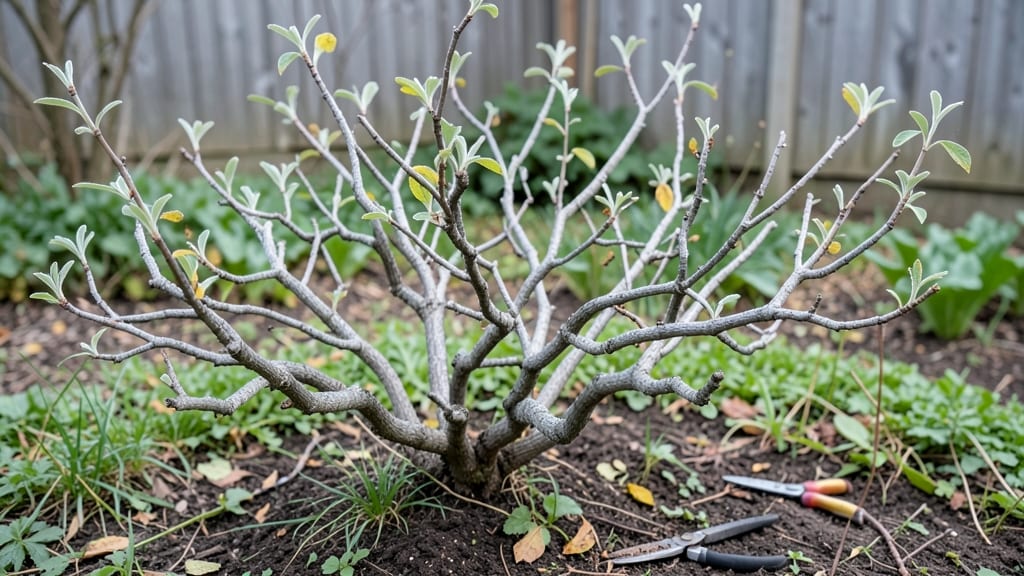
To prune a dappled willow shrub at the right time means catching it in late winter, just as the buds swell but before the leaves burst 🌿 — a window that turns a simple trim into a growth explosion by spring.
Pruning your dappled willow shrub at the wrong time can stunt its growth or even harm its delicate branches—yet timing this task perfectly unlocks lush, vibrant foliage all season long.
In USDA Zone 6a, that means late February to early March, when the ground is thawed but the shrub is still dormant. Get it wrong, and you risk exposing fresh cuts to frost or triggering a late-season flush of tender growth that won’t survive the cold.
Below, I’ll walk you through the exact cues to watch for, the tools to use, and how to avoid the three biggest pruning mistakes that turn healthy shrubs into sad, leggy shadows.
Best late winter pruning timeline for dappled willow shrubs
Timing is everything when pruning your dappled willow shrub—especially in late winter. This is the ideal window to reshape your shrub while it's dormant but before new growth begins. Pruning too early risks frost damage, while waiting too late can stress the plant as it wakes up.
Let’s break down the perfect schedule to maximize regrowth and keep your willow thriving.
Your dappled willow (Salix caprea) thrives when pruned during its dormant season, which typically spans from late winter to early spring. The key is to act just before bud break—usually when daytime temperatures consistently reach 50°F (10°C) or higher.
This timing ensures your cuts heal quickly without inviting pests or diseases. Let’s dive into the month-by-month breakdown to avoid common mistakes.
| Month | Temperature Range | Pruning Task | Notes |
|---|---|---|---|
| January | Below 40°F (4°C) | Avoid pruning | Plant is fully dormant; frost risk is high. |
| February | 35-50°F (2-10°C) | Light pruning (dead/diseased branches) | Remove only damaged wood; no heavy cuts. |
| Early March | 45-60°F (7-15°C) | Major pruning (shape, thin out) | Best time for structural cuts before bud break. |
| Late March | Above 50°F (10°C) | Final light touches (if needed) | Only if buds haven’t swollen; avoid heavy pruning. |
In January, your dappled willow is in deep dormancy, making it the worst time to prune. The cold temperatures can slow healing, and any cuts may not seal properly, inviting infections or pests.
Instead, focus on clearing debris around the base to improve airflow and reduce disease risk. This preparatory step sets the stage for a healthier pruning session later.
By February, if your region experiences mild winters, you can start with light pruning. Remove any dead branches or diseased wood—these are easy to spot as they’re often brown, brittle, or lacking leaves.
Use sterilized shears to make clean cuts just outside the branch collar. Avoid heavy pruning, as the plant is still recovering from winter stress.
Early March is the golden window for pruning your dappled willow. Aim to finish by the end of the month, ideally when daytime temperatures hover around 50-60°F (10-15°C). This is when you can reshape the shrub, thin out crowded branches, and encourage new growth.
Cut back to a healthy bud or outward-facing branch to maintain an open, airy structure. Remember, willows respond well to pruning, so don’t be afraid to get bold!
If you miss the early March window, late March can still work—but only if buds haven’t yet swollen. Prune lightly, focusing on fine-tuning rather than major cuts. Heavy pruning at this stage can stimulate too much new growth before the plant is ready, leading to weak, leggy branches.
Always prioritize bud health over aggressive reshaping.
One critical tip for late winter pruning is to time your cuts with the weather. Avoid pruning on windy days or right before rain, as this can stress the plant. Instead, choose a calm, dry day with mild temperatures.
After pruning, apply a wound sealant (like tree paint) to larger cuts to prevent disease entry, though smaller cuts typically heal on their own.
Regional differences matter when pruning dappled willows. In colder climates (USDA Zones 3-5), wait until late March or early April when frost risk is minimal. In milder zones (Zones 6-8), you can start as early as February.
Always check your last frost date—pruning at least 2-3 weeks before ensures your willow has time to recover before spring’s warmth triggers growth.
After pruning, your dappled willow will reward you with vigorous new growth by late spring. To support this, water deeply at the base (about 1-2 gallons) and apply a layer of mulch to retain moisture.
Avoid fertilizing immediately post-prune; instead, wait until new shoots appear (usually in April) before adding a balanced fertilizer like 10-10-10 to fuel growth.
Finally, keep an eye out for new growth signs like swollen buds or tiny leaves. If you see these after pruning, your timing was perfect! If not, you may have pruned too late.
Next year, adjust your schedule to align with bud break for optimal results. With the right timing, your dappled willow will thrive for years to come.
Signs your dappled willow needs pruning (and how to fix it)
Your dappled willow shrub silently signals when it’s time for a pruning session. Ignoring these cues can lead to overcrowded branches or weak growth—but catching them early means a healthier, more vibrant plant.
Look for leggy stems stretching skyward or bare patches where branches have died back. These are your shrub’s way of saying, "I need help!"
The shape of your willow is another dead giveaway. If it’s become too wide or lopsided, pruning can restore balance and encourage new, bushier growth. Even yellowing leaves or mushroom growth at the base can indicate stress from overgrowth.
Addressing these issues now prevents long-term damage and keeps your shrub thriving for years.
Prune your dappled willow in late winter or early spring—just as buds begin to swell but before new growth starts. This timing ensures you remove dead or weak branches while avoiding frost damage to fresh cuts. For mild climates, aim for February to March; in colder zones, wait until March or April when frost risk has passed.
Start by removing dead or diseased branches first—they’re the easiest to spot and the most critical to cut. Use clean, sharp pruners to make 45-degree cuts just above a bud or lateral branch. This encourages healthier regrowth and prevents unsightly stubs.
Next, tackle overcrowded areas by thinning out crossing branches or those growing inward. This improves air circulation and sunlight penetration, reducing the risk of fungal infections.
Don’t forget to shape your willow while you’re at it. If your goal is a neat, rounded shrub, trim back longer branches to create a balanced silhouette. For a more natural look, simply remove excessive growth without worrying about symmetry.
The key is to never remove more than 25% of the foliage in one session—this keeps your shrub from becoming stressed or stunted.
After pruning, clean up debris from the area to prevent pests or diseases from taking hold. Apply a layer of mulch around the base to retain moisture and nutrients while protecting the roots.
Water deeply but thoroughly to help your willow recover from the pruning process. With the right care, your shrub will reward you with lush, vibrant foliage all season long.
If you’re unsure whether a branch is dead or alive, perform a simple scratch test. Scrape a small section of the inner bark—if it’s green underneath, the branch is still alive and worth saving.
If it’s brown or crumbly, it’s time to prune it out. This quick check saves you from accidentally removing healthy growth while ensuring you don’t leave deadwood that could harbor pests or diseases.