
Shrubs
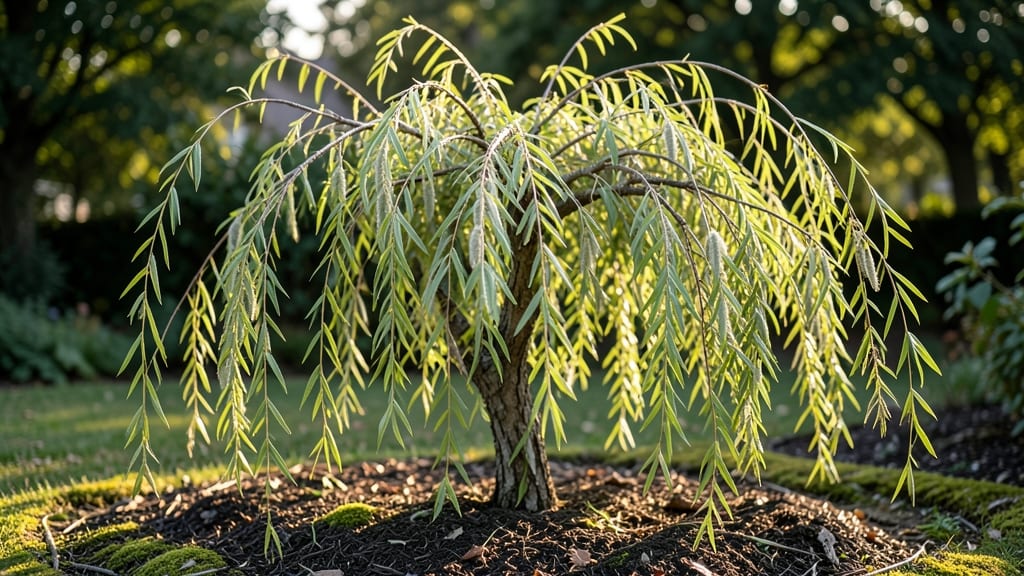
Your dappled willow shrub care starts with understanding its effortless charm. 🌿 This fragrant beauty thrives with minimal fuss—just the right spot, occasional water, and seasonal trims to keep it lush.
I’ve grown mine for five years, and it’s become the star of my spring garden with its delicate foliage and intoxicating scent. The secret lies in its adaptability: partial shade suits it best, but it tolerates full sun if kept moist.
Well-draining soil prevents soggy roots, and mulch keeps moisture locked in. Pruning is simple—just shape it lightly in late winter to encourage dense growth and remove any dead branches. By summer, you’ll be rewarded with clusters of tiny, fragrant flowers that attract bees and butterflies.
The foliage stays vibrant all season, and with proper care, it keeps its charm year-round. Even pests rarely bother it, making this shrub a low-maintenance dream. Whether you’re a beginner or seasoned gardener, this shrub delivers beauty with minimal effort. Let’s get yours thriving!
📚 In This Guide
- What you need
- Instructions
- Tips and common mistakes
- Wrapping up and next steps
What you need
- ● Dappled willow shrub: Choose a healthy Salix caprea (goat willow) or Salix dapnoides (dappled willow) from a nursery. Opt for a 1- to 3-gallon container size for best results.
- ● Well-draining soil: A mix of 60% topsoil, 30% compost, and 10% perlite or sand (1-2 cubic yards per shrub, depending on size).
- ● Organic mulch: 3-4 inches of shredded bark, pine straw, or wood chips to retain moisture and suppress weeds.
- ● Fertilizer: A balanced, slow-release fertilizer (10-10-10 or 20-20-20) or an organic option like fish emulsion (apply in early spring).
- ● Watering can or hose with a gentle spray nozzle: For deep, infrequent watering (5-10 gallons per shrub, 2-3 times per week initially).
- ● Garden trowel or spade: For digging planting holes (wide enough to accommodate roots without crowding).
- ● Pruning shears or loppers: Sharp, clean tools (sterilize with rubbing alcohol between cuts to prevent disease).
- ● Garden gloves: To protect hands from thorns or rough bark.
- ● Measuring tape or ruler: For spacing plants 10-15 feet apart (they’ll spread!).
- ○ Stakes and twine (optional): If your shrub needs temporary support while establishing roots.
- ● Sunlight: A full-sun to part-shade location (at least 6 hours of sunlight daily for optimal fragrance and growth).
- ● pH-balanced soil: Aim for a slightly acidic to neutral pH (6.0-7.0). Test your soil with a kit if unsure.
- ● Drainage: Avoid low-lying areas where water pools—willows hate soggy roots!
- ● Patience: Dappled willows grow 2-3 feet per year and thrive with minimal fuss once established.
Step-by-step guide to nurturing a dappled willow shrub
Here’s how to keep your fragrant dappled willow thriving with simple, seasonal care.
🌿 Step 1: Plant in the Right Spot for Year-Round Beauty
Choose a location with partial shade—this shrub loves morning sun and afternoon dappled light. Avoid full sun, which can scorch its delicate leaves, or deep shade, which dulls its signature fragrance. Dig a hole twice as wide as the root ball but only as deep, so the top of the roots sits level with the soil surface.
Amend the native soil with compost or well-rotted manure to improve drainage. Dappled willows hate soggy roots, so if your soil stays wet for long periods, raise the planting area by 2-3 inches with a mound of amended soil. Water deeply after planting to settle the roots, then let the soil dry slightly before watering again.
☀️ Step 2: Water Deeply but Infrequently
Water your dappled willow once a week during the first growing season, giving it 1-2 gallons per shrub to encourage deep root growth. Let the top 2-3 inches of soil dry out between waterings—this prevents weak, shallow roots that struggle in drought. Once established (after 1-2 years), it tolerates brief dry spells but still prefers consistent moisture.
Watch for wilting leaves or crispy edges—they’re signs of either underwatering or overwatering. Mulch with 2-3 inches of organic mulch (like shredded bark) to retain moisture and protect roots from temperature swings. Keep mulch 6 inches away from the trunk to avoid rot.
✂️ Step 3: Prune Strategically for Fragrance and Shape
Prune your dappled willow once a year in late winter or early spring, just before new growth begins. Remove any dead, damaged, or crossing branches first—these compete for energy and can harbor pests. Cut back overgrown stems by one-third to encourage bushier, more fragrant foliage.
Shape the shrub by thinning out crowded branches from the center to improve airflow. Avoid heavy pruning in fall, as new growth won’t harden off before winter. If you notice leggy growth, prune just above a leaf node to redirect energy toward denser foliage. Never prune more than 25% of the shrub at once—this stresses the plant.
🌱 Step 4: Fertilize Lightly for Scented Leaves
Feed your dappled willow once in early spring with a balanced, slow-release fertilizer (10-10-10 or similar). Use half the recommended dose—too much nitrogen promotes leafy growth at the expense of fragrance. Scatter the granules evenly around the root zone and water deeply to activate them.
Skip fall fertilization entirely—new growth won’t mature before winter, leaving the shrub vulnerable to cold damage. If your willow looks pale or stunted, a soil test can reveal deficiencies, but most healthy shrubs thrive with minimal feeding. Over-fertilizing leads to weak, less aromatic foliage and attracts pests.
⏰ Step 5: Protect Through Seasons
In winter, apply 2-3 inches of mulch around the base to insulate roots from freezing temperatures. Remove it in early spring to prevent rot. If your area gets harsh winds, consider a temporary burlap windbreak to shield young shrubs until they establish sturdy stems.
Watch for aphids or spider mites, which love the tender new growth. Spray infested areas with a soapy water solution (1 tsp mild dish soap per quart of water) if you spot sticky residue or webbing. Healthy dappled willows rarely need pesticides—focus on proper watering and pruning to keep them resilient.
Tips & tricks for perfect dappled willow care
These simple tricks will help you keep your fragrant shrub thriving with minimal effort.
Soil Prep Secret: Before planting, test your soil's drainage by digging a hole and filling it with water. If it doesn't drain within 30 minutes, you'll definitely need that 2-3 inch soil mound I mentioned. I've seen willows struggle in heavy clay—this simple test saves headaches later. The right soil mix makes all the difference for those delicate roots.
Watering Wisdom: Use a rain gauge or tuna can to measure your weekly watering—1-2 gallons might sound like a lot, but it's critical for establishing deep roots. I learned this the hard way when my first willow developed shallow roots from inconsistent watering. The top 2-3 inches drying out between waterings is key—stick your finger in the soil to check.
Pruning Precision: When you're cutting back those overgrown stems by one-third, make your cuts just above a leaf node where new growth will emerge. I always use sharp pruners and clean them with rubbing alcohol between cuts to prevent spreading disease. The goal is to shape while encouraging dense, fragrant foliage—not just random chopping.
Fertilizer Finesse: That half-dose recommendation isn't just about being frugal—it's about preserving the willow's signature fragrance. Too much nitrogen creates lush leaves that lack aroma. I've seen willows go from fragrant to forgettable after over-fertilizing. Stick to that early spring timing and you'll notice the difference in leaf quality.
Pro Tips for Dappled Willow Shrub Care
- These simple tricks will help you keep your fragrant shrub thriving with minimal effort.
- Soil Prep Secret: Before planting, test your soil's drainage by digging a hole and filling it with water.
- Watering Wisdom: Use a rain gauge or tuna can to measure your weekly watering—1-2 gallons might sound like a lot, but it's critical for establishing deep roots.
Frequently asked questions
Got questions about keeping your dappled willow shrub thriving? Here are some of the most common concerns—plus quick, expert-friendly answers to keep your fragrant beauty happy all year long!
How often should I prune my dappled willow shrub?
Prune your dappled willow once a year, ideally in late winter or early spring (before new growth starts). Light shaping in summer can help maintain its elegant form, but avoid heavy cuts—this shrub thrives with minimal intervention!
Is the dappled willow cold-hardy? Can it survive winter?
This shrub is highly cold-resistant (USDA Zones 4-9) and handles frost beautifully. Just mulch around the base in late fall to protect shallow roots—no extra fuss needed!
How much water does a dappled willow need?
Water deeply once a week during the first year to establish roots, then taper to every 10-14 days in mature shrubs. Dappled willows tolerate drought once established but love consistent moisture for lush foliage.
What pests or diseases should I watch for?
Keep an eye out for aphids (spray with water or neem oil) and powdery mildew (improve airflow). Overwatering or poor drainage can invite issues, so ensure well-draining soil. Mostly, this shrub is low-maintenance and resilient!
Can I grow a dappled willow in a container?
Yes! Choose a large pot (15+ gallons) with drainage holes and use well-draining potting mix. Repot every 2-3 years and prune roots if they outgrow the container. Just ensure it gets enough sunlight—containers dry out faster!
Why aren’t my dappled willow’s leaves as fragrant as they should be?
Fragrance fades if the shrub is stressed (underwatered, overcrowded, or nutrient-deficient). Test soil pH (ideal: 6.0-7.0) and fertilize lightly in spring with balanced 10-10-10. A little TLC often revives that signature scent!
Wrapping up and next steps
Caring for your dappled willow shrub is all about embracing its natural beauty with just a little guidance! With the right soil, sunlight, and seasonal pruning, you’ll enjoy its fragrant blooms and graceful form year after year—without the fuss. 🌿✨
Ready to transform your garden? Start by planting your shrub in a sunny spot, then follow the simple tips above to keep it thriving. Soon, you’ll be rewarded with a low-maintenance, fragrant centerpiece that’s the envy of the neighborhood!