
Shrubs
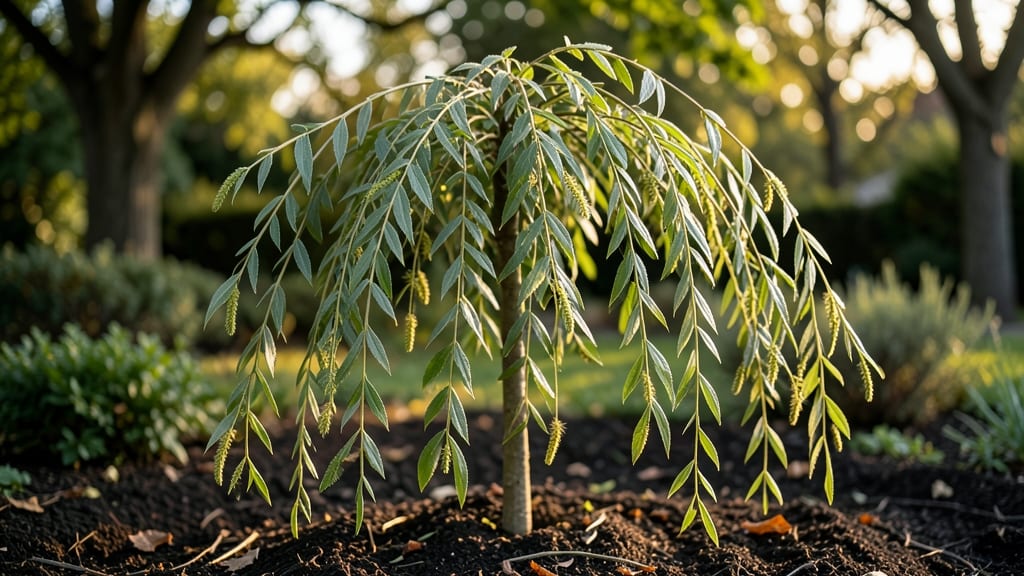
That cascading fragrance in spring is what sold me on the dappled willow accent shrub. 🌿 Its silvery foliage and weeping branches create a living privacy screen that looks stunning year-round, whether planted near a pond or along a garden path.
The scent alone makes it worth the space—imagine stepping into your yard and being greeted by that fresh, springtime aroma. This shrub thrives in moist soil and partial shade, making it perfect for problem areas where other plants struggle.
Its graceful, arching form adds movement to any garden design, while the silver leaves catch the light beautifully. The best part? It grows 8-10 feet tall but stays narrow, so it won’t overwhelm small spaces.
Pair it with hostas for shade-loving companions or add some ferns at its base for texture. Near water features, it becomes a dramatic focal point, while along walkways, it creates a fragrant tunnel effect. The golden yellow catkins in early spring are just the beginning—its beauty evolves with the seasons.
Whether you want natural privacy, a fragrant garden accent, or a stunning backdrop for perennials, this shrub delivers. It’s the kind of plant that makes your garden feel like a serene retreat all year long.
📚 In This Guide
- What you need
- Instructions
- Tips and common mistakes
- Wrapping up and next steps
What you need
- ● Dappled Willow Accent Shrub: 1 healthy, mature plant (3–5 feet tall, depending on variety). Look for Weigela florida or Weigela ‘Wine & Roses’ for vibrant blooms and fragrance.
- ● High-quality potting soil or garden soil: 5–10 gallons (mix with compost for nutrient-rich planting).
- ● Organic mulch: 2–3 inches (cedar or pine bark works best to retain moisture and suppress weeds).
- ● Slow-release fertilizer: 10–20-10 NPK ratio (follow package instructions for dosage).
- ● Pruning shears: Sharp, clean pair (sterilize with rubbing alcohol to prevent disease).
- ● Watering can or hose with a gentle spray nozzle: For deep, even watering.
- ● Garden gloves: 1 pair (to protect hands from thorns or rough bark).
- ● Trowel or spade: For digging holes (6–8 inches wider than the root ball).
- ○ Stakes or plant supports (optional): 2–4 stakes + soft ties (if your shrub needs structural help).
- ○ Landscape fabric (optional): To reduce weed competition around the base.
- ○ Mosquito-repellent plants (optional):
- ○ Seasonal care kit (optional): Winter: Burlap wrap for young shrubs.
- ● Spring: Bloom booster (like fish emulsion).
Step-by-Step guide to planting and caring for a dappled willow accent shrub
This elegant shrub thrives with minimal fuss—just follow these simple steps for lush growth and year-round fragrance.
🌱 Step 1: Choose the Perfect Planting Location
Dappled willows love partial shade to full sun—think 4-6 hours of morning sun with afternoon shade for best results. Avoid deep shade spots; the plant will grow leggy and lose its signature delicate foliage. I always check the area for at least 3 feet of clearance around the planting site, since willows spread gradually over time.
Test the soil by digging a 6-inch hole—if it’s heavy clay, mix in 2-3 inches of compost to improve drainage. The shrub tolerates many soil types but performs best in well-draining, slightly acidic soil (pH 5.5-7.0). If your soil is alkaline, add sulfur or peat moss to adjust the pH before planting.
🪴 Step 2: Plant Your Dappled Willow with Care
Dig a hole twice as wide as the root ball but only as deep as the container’s base. This prevents burying the trunk too deeply, which can cause rot. Gently remove the shrub from its container and loosen any circling roots with your fingers—this encourages outward growth instead of a tangled root ball.
Place the shrub in the hole so the top of the root ball sits level with the surrounding soil. Backfill with native soil, pressing lightly to remove air pockets. Water deeply right after planting—about 1 gallon—to settle the soil and eliminate gaps. Mulch the base with 2-3 inches of organic mulch, keeping it 6 inches away from the trunk to prevent rot.
☀️ Step 3: Water and Fertilize for Strong Growth
Keep the soil consistently moist but not soggy for the first 2-3 weeks after planting. Water deeply every 2-3 days until new growth appears—you’ll see bright green leaves unfurling as a sign it’s thriving. Once established, dappled willows are drought-tolerant but still prefer 1 inch of water weekly during dry spells.
Fertilize once in early spring with a balanced, slow-release fertilizer (10-10-10). Avoid heavy nitrogen feeds—too much causes rapid but weak growth. I like to top-dress with compost in fall to feed the roots over winter. Yellowing leaves? That’s your cue to check watering or soil pH.
✂️ Step 4: Prune to Encourage Shape and Fragrance
Prune lightly in late winter or early spring before new growth begins. Remove dead or crossing branches first, then shape by cutting back overly long stems by 1/3. The dappled willow’s natural weeping habit means it rarely needs heavy pruning—just tidy up to maintain its graceful form.
For fragrance, avoid heavy pruning in fall. The shrub’s scented foliage develops best with minimal stress. If you notice leggy growth, it’s a sign of too much shade or over-fertilizing. Trim back just enough to open the center for airflow—this keeps the plant healthy and fragrant year-round.
⏰ Step 5: Maintain Year-Round for Beauty and Privacy
Dappled willows are low-maintenance, but a little attention keeps them looking their best. Check mulch levels annually, replenishing to 2-3 inches in early spring. This protects roots from temperature swings and retains moisture. Watch for aphids or spider mites—a strong spray of water usually clears them up before they cause damage.
In late winter, rake away fallen leaves to prevent fungal diseases. The shrub’s natural weeping branches create a stunning privacy screen over time—just avoid over-pruning, or you’ll lose its signature cascading shape. With proper care, your dappled willow will reward you with fragrance, texture, and seasonal interest for decades.
Tips & tricks for perfect dappled willow planting
Here's what I've learned from years of growing these fragrant beauties—simple secrets that make all the difference.
Location is Everything: That 4-6 hours of morning sun is non-negotiable for vibrant foliage. I always scout the site at midday to check for afternoon shade—dappled willows will stretch toward light if they're not getting enough. Watch for nearby trees that might cast shade as they grow taller over time. A south or southwest exposure works best for that perfect balance of light and fragrance.
Root Ball Prep Matters: When loosening those circling roots in Step 2, I use my fingers to gently tease them outward rather than cutting them. This encourages the roots to spread naturally in the soil instead of staying compact. If you notice any damaged roots, simply trim them with clean pruners—just don't remove more than 10% of the root ball. The goal is to maintain that natural shape while preventing future tangling.
Watering Wisdom: That gallon of water right after planting isn't just about settling the soil—it's about signaling to the roots that they're in a safe environment. For the first 2-3 weeks, I water in the morning so the soil has time to dry slightly before nightfall. This prevents fungal issues while keeping those roots consistently moist. A moisture meter comes in handy here—aim for soil that's damp but not soggy to the touch.
Pruning Pro Tip: When you're cutting back those overly long stems by 1/3 in Step 4, make sure to use sharp pruners and cut just above a leaf node or bud. This ensures new growth will sprout from the right spot. I always sterilize my pruners with rubbing alcohol between cuts to prevent spreading disease. And remember—less is more with these shrubs. Their natural weeping form is what makes them so special.
Pro Tips for Dappled Willow Accent Shrub
- Here's what I've learned from years of growing these fragrant beauties—simple secrets that make all the difference.
- Location is Everything: That 4-6 hours of morning sun is non-negotiable for vibrant foliage.
- Root Ball Prep Matters: When loosening those circling roots in Step 2, I use my fingers to gently tease them outward rather than cutting them.
Frequently asked questions
Got questions about the dappled willow accent shrub?
You’re not alone! Here are some of the most common queries—plus straightforward answers to help you make the most of this versatile, fragrant beauty.
How fast does a dappled willow grow, and when can I expect privacy?
A dappled willow typically grows moderately fast—about 12 to 24 inches per year under ideal conditions. With consistent care, you can expect a 6-foot-tall hedge in 3–5 years, offering natural privacy by the second or third season. Pro tip: Prune lightly in late winter to encourage bushier growth and faster coverage.
Is the dappled willow cold-hardy, and how do I protect it in winter?
Yes! This shrub thrives in USDA zones 5–9, handling temperatures down to -20°F. For extra winter care, mulch the base with 2–3 inches of organic mulch (like shredded bark) to insulate roots. Avoid heavy pruning in late fall—wait until early spring to shape it. Bonus: Its silvery foliage adds winter interest, so skip the winter wrap unless you’re in an extreme microclimate.
Can I plant a dappled willow in full sun or shade?
This shrub is flexible but prefers partial shade to full sun (4–6 hours of sunlight daily). In hot climates, afternoon shade helps prevent leaf scorch. For shadier spots, it’ll still grow but may lose some of its signature fragrance and vibrant foliage. Ideal spot: Near a patio or foundation where it gets dappled light (hence the name!).
Are dappled willows prone to pests or diseases, and how do I prevent issues?
Generally low-maintenance, but watch for aphids or spider mites in dry spells. Treat with neem oil if you spot sticky leaves or webbing. Overwatering can cause root rot, so ensure well-draining soil. Preventative care: Prune for airflow and avoid wetting foliage during watering. Red flag: Yellowing leaves? Check for powdery mildew—spray with a fungicide if needed.
What are some great alternatives if I want a fragrant, low-maintenance shrub?
If the dappled willow isn’t quite right, consider these fragrant, privacy-friendly options:
- Dwarf Fothergilla – Stunning fall color + sweet spring blooms (zones 4–8).
- Oregon Grape Holly – Evergreen, berry-producing, and drought-tolerant (zones 6–9).
- Sweet Pittosporum – Glossy leaves + citrusy scent (zones 7–10).
- Boxwood ‘Green Velvet’ – Classic, dense, and low-growing (zones 5–9).
Each offers year-round interest with minimal fuss!
Wrapping up and next steps
The dappled willow accent shrub is a versatile, fragrant, and low-maintenance addition to any garden, offering both beauty and privacy year-round. 🌿 With its delicate foliage, natural fragrance, and adaptability to various climates, it’s a perfect choice for enhancing curb appeal while requiring minimal effort.
Whether you’re a seasoned gardener or just starting, this shrub makes it easy to create a serene, inviting outdoor space.
Ready to transform your garden? Start by selecting the ideal location—whether it’s a sunny border, a fragrant hedge, or a focal point—and enjoy the rewards of a lush, fragrant landscape with ease! 🌱