
Shrubs
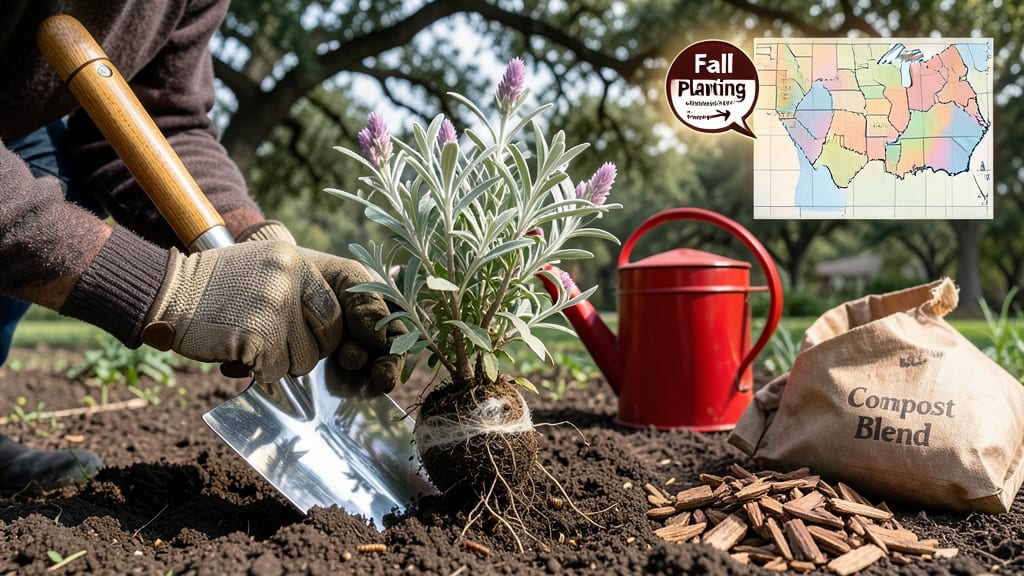
To plant shrubs in Texas at the right time means avoiding the brutal summer heat and giving roots a fighting chance before winter freezes—so timing isn’t just about seasons, it’s about survival.
Picture this: you’ve spent hours picking out the perfect 🌿 shrubs for your Texas landscape, only to watch them wilt under 100°F temperatures or struggle through an unexpected frost. That’s why knowing your USDA zone and microclimate is the key to success.
In 8a-10b, the ideal windows are fall (October–December) and early spring (February–April), but South Texas and North Texas play by different rules. Evergreens like Yaupon Holly need cooler soil, while drought-resistant varieties like Mexican Petunia can handle a later start.
Below, I’ll break down the exact months for your region, how to prep soil for Texas’s unpredictable weather, and which shrubs thrive when planted in fall vs. spring—so you can finally stop guessing and start growing.
Texas hardiness zones & best planting months by region
Texas spans USDA hardiness zones 6a through 10a, creating dramatic differences in planting windows from the Panhandle to South Texas. In North Texas (zones 7b-8a), early freezes in December can damage tender shrubs, while South Texas (zones 9a-10a) offers year-round planting opportunities for heat-loving varieties.
Understanding these zones helps you avoid transplant shock and maximize root establishment before summer's brutal heat.
For most Texas gardeners, fall (October-December) and early spring (February-April) are the safest planting windows.
However, drought-tolerant shrubs like Texas sage or yucca can be planted in late winter (January) in warmer zones (9a+), while evergreens like yaupon holly thrive when planted in cool fall months to establish roots before summer dormancy.
Here’s a quick reference for your region—adjust timing based on microclimates (e.g., urban heat islands or elevated areas that freeze earlier):
In North Texas (zones 7b-8a), avoid planting tender shrubs like Mexican Petunia after November 15, as temperatures can drop below 20°F. Instead, opt for cold-hardy evergreens like yaupon holly, which establish roots in fall’s cooler temps and handle winter dormancy better.
For deciduous shrubs like crape myrtle, wait until February to plant—this lets the soil warm slightly and reduces transplant shock.
South Texas gardeners enjoy longer windows, but summer planting (May–August) is risky due to intense heat and drought. Even drought-tolerant shrubs like yucca or Texas sage struggle when planted in peak summer.
Instead, plant in September or January to give roots time to establish before the next heatwave. Mulch heavily (3–4 inches) to retain moisture and protect roots from temperature swings.
For Central Texas (zones 8a-9a), the fall window (September–November) is ideal for evergreens and semi-evergreens, while spring (February–April) suits deciduous shrubs. A pro tip: Soil temperatures should be above 60°F for root growth.
Use a soil thermometer to check—if it’s cooler, wait 1–2 weeks. Drought-tolerant shrubs like Turk’s Cap can handle late winter planting (January) in this zone, but water deeply every 7–10 days for the first month.
High-elevation areas (e.g., West Texas or Davis Mountains) have shorter growing seasons and earlier freezes. Plant spring-blooming shrubs like smokebush in April–May to avoid late-spring frosts, and stick to September for fall-planted evergreens.
These regions benefit from windbreaks to protect young shrubs from drying winds and temperature fluctuations.
Regardless of your zone, avoid planting during extreme heat or cold snaps. For example, Central Texas’s "blue norther" freezes (sudden drops to 20°F) can kill newly planted shrubs.
If you must plant in late winter (January–February), choose heat-acclimated varieties like Mexican Buckeye or Firebush, and water daily for 2 weeks to encourage root growth before summer arrives.
Pro tip: Adjust for microclimates—a south-facing slope may warm up faster than your neighbor’s north-facing yard
Signs your Texas shrubs are ready for planting (and when to wait)
Timing your shrub planting in Texas is like catching a wave—too early, and you risk frost damage; too late, and your plants struggle with summer heat. The key is watching for soil temperature, rainfall patterns, and pest activity that signal the perfect window.
In most regions, this falls between October and December for fall planting or February to April for spring, but local conditions can shift these dates by weeks.
For example, in North Texas (Zone 7-8), wait until soil temps stay above 60°F for at least a week before planting. Meanwhile, South Texas (Zone 9-10) gardeners can start earlier, often by late September, thanks to milder winters.
Even within these zones, microclimates—like urban heat islands or shaded areas—can create 1-2 week differences in ideal timing.
Common Mistakes That Delay Success
Planting too early in Central Texas (Zone 8) risks late-winter freezes, while rushing spring planting can lead to transplant shock from sudden heat. Overlooking soil moisture before planting is another pitfall—dry soil stresses roots and slows establishment. Always check for pest activity (like aphids or spider mites) before planting; active pests mean your new shrubs will face immediate stress.
One of the most reliable signs your shrubs are ready is consistent rainfall or your ability to water deeply without puddling. Aim for 1-2 inches of moisture per week before and after planting.
Use a soil thermometer to confirm temps are stable; most Texas shrubs thrive when soil stays between 60°F and 75°F for root growth. If your area has had recent heavy rains, wait until the ground dries slightly to avoid waterlogged roots.
Pest activity also gives clues. If you notice aphids or whiteflies thriving on existing plants, delay planting until after a heavy rain or targeted pest control. These pests swarm when conditions are warm and humid—exactly when your new shrubs will be most vulnerable.
Conversely, if you see beneficial insects like ladybugs or lacewings, it’s a good sign the ecosystem is balanced for new plantings.
Don’t ignore the moon phase either—while not scientific, many Texas gardeners swear by planting during the waxing moon (when roots grow upward). Pair this with early morning planting to reduce transplant shock from midday heat.
After planting, mulch heavily (2-3 inches) to retain moisture and regulate soil temperature, which is critical in Texas’s extreme climate swings.
Finally, observe your local weather patterns for at least a week before planting. If forecasts predict unseasonal cold snaps or prolonged drought, adjust your timeline. For instance, Crape Myrtles planted in late spring may struggle with summer heat, while Yaupon Hollies thrive when established in early fall.
Tailor your approach to your shrub’s native resilience and your region’s quirks.