
Shrubs
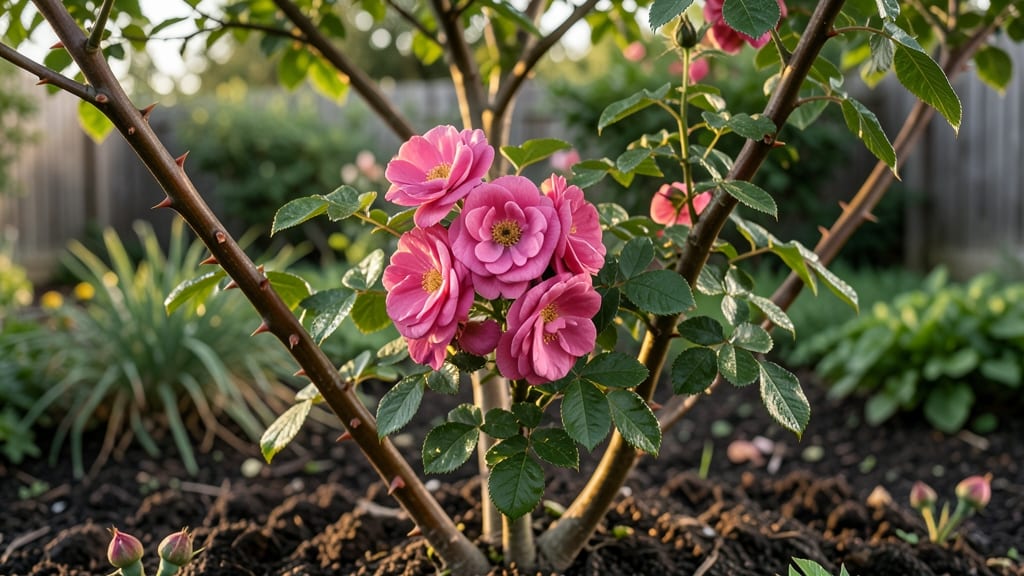
A shrub rose is a hardy, multi-stemmed rose bush known for its disease resistance, long bloom seasons, and adaptability to various climates, making it ideal for hedges, borders, or standalone garden focal points. Unlike climbers or hybrid teas, shrub roses thrive with minimal pruning and offer abundant, repeat-flowering blooms in diverse colors and forms.
A shrub rose stands out from other roses because it grows as a bush with multiple stems, creating a full, rounded shape that's perfect for garden structure. 🌸 These roses are bred to be low-maintenance yet resilient, often surviving in zones 4-9 without fuss, and their blooms come in clusters rather than single flowers like hybrid teas.
What sets them apart is their ability to flower repeatedly throughout the season—some varieties even bloom on old wood, meaning they can flower before you prune them.
Unlike delicate climbers or formal hybrid teas, shrub roses excel in informal settings. Their natural bushy growth makes them ideal for creating living hedges, privacy screens, or colorful borders. Many varieties also produce fragrant blooms, adding sensory appeal to your garden while attracting pollinators like bees and butterflies.
The best part? They handle neglect better than most roses, making them perfect for busy gardeners.
💡 In This Article
- Key Characteristics of Shrub Roses
- Best Shrub Rose Varieties for Gardens
Key characteristics of shrub roses
Shrub roses are genetically distinct from other rose types because they're bred to have a strong, multi-stemmed structure that grows 3-6 feet tall and 3-5 feet wide, creating a dense, bushy form. This differs from climbers (which need trellises) or hybrid teas (which grow on single stems).
Their woody canes develop over multiple years, forming a sturdy framework that supports the plant's upright yet rounded growth habit. 🌿 The key genetic trait is their ability to produce blooms on both old and new wood, unlike hybrid teas that only flower on new growth.
Their hardiness is another defining feature—most shrub roses thrive in USDA zones 4-9, with some varieties like 'Knock Out' roses surviving down to zone 3. This cold tolerance comes from their thick, woody stems that store nutrients, allowing them to regrow quickly after winter dieback.
Disease resistance is built into their genetics too; many modern shrub roses have been bred to resist common rose diseases like black spot and powdery mildew through genetic crossbreeding with disease-resistant species like Rosa rugosa.
What makes shrub roses unique is their repeat-blooming nature. Unlike once-blooming roses, shrub roses produce flowers in 3-4 flushes per season, with some varieties like 'Dr. Huey' flowering continuously from early summer until frost.
This happens because their flower buds form on both old and new wood, creating a staggered bloom cycle. The flowers themselves come in clusters of 5-25 blooms per stem, unlike the single flowers of hybrid teas.
Shrub roses also excel in texture contrast—their glossy, dark green leaves (often 2-4 inches long) provide a rich backdrop for their blooms, which range from 1-3 inches wide in colors like pink, red, yellow, and white.
Some varieties even produce hip fruit in fall, adding another layer of interest. This combination of structural form, seasonal interest, and low-maintenance care makes them the workhorse of the rose world.
Consider this comparison: while hybrid teas grow on single stems and require staking, shrub roses grow as multi-stemmed bushes that support themselves. Their canes develop at wider angles (typically 45-60 degrees) compared to the upright growth of climbers, creating that signature rounded shape.
This structural difference means they need far less pruning—just removing dead wood and shaping in late winter—while still delivering abundant blooms.
One fascinating mechanism is their photoperiod sensitivity. Many shrub roses detect daylight changes and respond by producing flower buds in late summer, setting up their spring blooms. This natural timing means they often bloom earlier in the season than hybrid teas, giving pollinators an early food source.
The combination of these traits—hardiness, disease resistance, and repeat blooming—explains why shrub roses have become garden staples worldwide.