
Shrubs
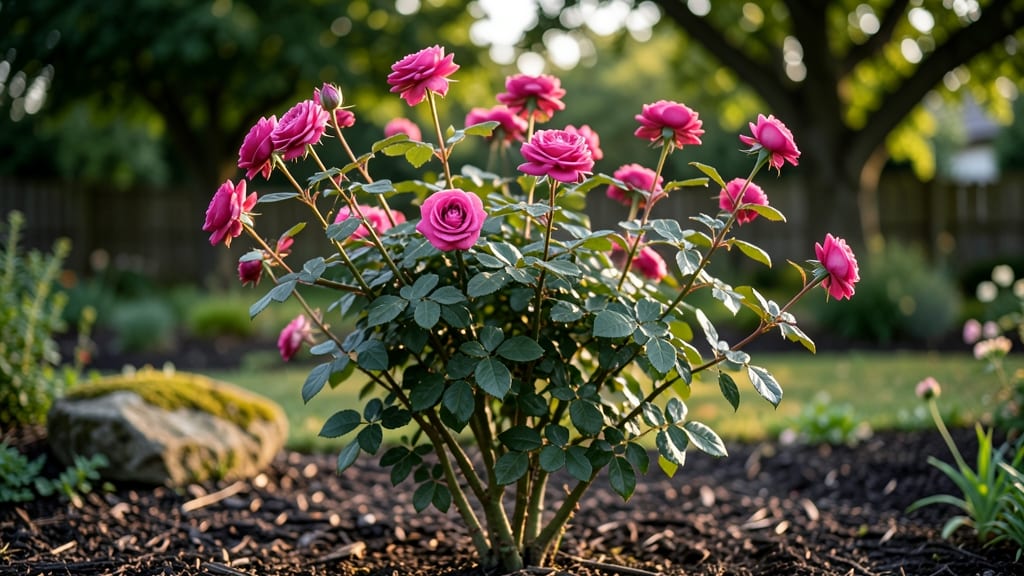
Planting the Gertrude Jekyll shrub rose transforms any garden into a fragrant, thornless sanctuary. 🌹 I fell for this rose the first time I walked past it in a cottage garden—its velvety blooms and intoxicating scent stopped me in my tracks.
Unlike traditional roses, this variety thrives with minimal fuss, offering four seasons of interest from its glossy foliage to its repeat blooms.
The secret to its success lies in well-draining soil and full sun to partial shade—it’s surprisingly adaptable to different climates, even handling mild winters better than many roses.
I’ve grown mine in zone 5 for three years now, and it’s never missed a beat, producing pink-purple blooms from early summer through frost. Pruning feels like an art, but the key is simple: cut back by one-third in early spring and deadhead spent blooms. The result?
A bush that stays compact, fragrant, and disease-resistant—no chemicals needed. My neighbors now ask for cuttings every year, and I happily share. Perfect for cottage gardens, mixed borders, or even as a low-maintenance hedge. Here’s how to make it thrive in your space!
📚 In This Guide
- What you need
- Instructions
- Tips and common mistakes
- Wrapping up and next steps
What you need
- ● Gertrude Jekyll Shrub Rose: 1–3 bare-root roses (dormant season) or
- ● 1–2 container-grown roses (spring/summer)
- ● Planting Site: Full sun (6+ hours/day) or partial shade (4–6 hours)
- ● Well-draining soil (amend with compost if needed)
- ○ Soil Amendments (Optional but Recommended): 5–10 lbs. compost or aged manure
- ● 1 cup rose fertilizer (balanced NPK, e.g., 10-10-10)
- ● 1 lb. sulfur (if soil is alkaline, pH > 7.0)
- ● Hand Trowel or Shovel (for digging)
- ● Garden Gloves (thorn-resistant if handling bare-root)
- ● Pruning Shears (sterilized with rubbing alcohol)
- ● Watering Can or Hose with Nozzle (gentle spray)
- ● Mulch (2–3 inches of wood chips or straw)
- ○ Stakes & Twine (optional, for young/windy climates)
- ● 🌡️ Best Planting Time: Early spring (bare-root) or fall (container-grown).
- ● ✨ Thornless Perk: Gertrude Jekyll’s gentle stems make pruning and handling easier—no heavy gloves needed!
- ● 💧 Watering: Keep soil consistently moist (not soggy) for the first 2 weeks.
Step-by-step guide to planting and caring for Gertrude Jekyll shrub roses
This stunning, low-maintenance rose thrives with the right approach—here’s how to plant and nurture it for years of fragrant blooms.
🌱 Step 1: Select and Prepare the Planting Site
Choose a location with at least 6 hours of direct sunlight daily—Gertrude Jekyll roses love full sun but tolerate partial shade in hot climates. The soil should drain well; if yours is heavy clay, amend it with 3-4 inches of compost mixed into the top 12 inches of soil. I dig a hole twice as wide as the root ball but only as deep as the container’s base—planting too deep suffocates the graft union.
Loosen the roots gently if they’re circling the container. This prevents girdling as the plant establishes. Here’s the thing—Gertrude Jekyll roses hate soggy roots, so if your garden holds water, raise the planting area by mounding soil or building a slight berm. You’ll know the site is right when the soil feels crumbly when squeezed and drains within a few hours of watering.
🪴 Step 2: Plant with Proper Spacing and Support
Space plants 3-4 feet apart to allow airflow and prevent disease. Gertrude Jekyll’s thornless stems make it ideal for borders, but they still need room to grow. I always add a 6-foot wooden stake or trellis at planting time—waiting until later weakens the stems. Position the stake 6 inches away from the main stem to avoid damaging the bark as the plant grows.
Backfill the hole with native soil mixed with a handful of balanced organic fertilizer (10-10-10) to encourage strong root development. Water deeply immediately after planting to settle the soil and eliminate air pockets. You’ll see the soil settle about 1 inch—top off with more soil if needed. This ensures the root ball stays in place and doesn’t shift with watering.
☀️ Step 3: Water and Mulch for Establishment
Water deeply 2-3 times per week for the first month, keeping the soil 2-3 inches deep consistently moist but not soggy. Gertrude Jekyll roses have moderate drought tolerance once established, but young plants need consistent moisture to develop strong roots. I use drip irrigation or soaker hoses to deliver water directly to the root zone—surface watering wastes moisture and spreads disease.
Apply a 3-inch layer of organic mulch (like shredded bark or wood chips) around the base, keeping it 6 inches away from the stem. This conserves moisture, regulates soil temperature, and suppresses weeds. Refresh the mulch annually in early spring—it breaks down faster than you’d expect, especially in hot climates. You’ll know you’ve done it right when the soil stays evenly moist and the mulch looks uniformly settled after a rain.
✂️ Step 4: Prune for Shape and Health
Prune Gertrude Jekyll roses in early spring (just as new growth begins) to remove dead, diseased, or crossing branches. I cut back last year’s growth by about one-third to encourage bushier, more vigorous blooming. Always make cuts at a 45-degree angle just above an outward-facing bud—this directs growth outward for better airflow. For thornless varieties like this one, gloves aren’t strictly necessary, but I still wear them to protect my hands from any stray sharp stems.
Deadhead spent blooms regularly throughout the season to prolong flowering. Gertrude Jekyll roses are repeat bloomers, so removing faded flowers redirects energy to new buds. Here’s the trick—I prune lightly after each flush of blooms rather than waiting for fall. This keeps the plant compact and encourages continuous flowering until frost. You’ll see the difference within weeks: a bush that looks fuller and keeps producing flowers instead of putting all its energy into seed formation.
🌿 Step 5: Fertilize and Monitor for Pests
Feed with a low-nitrogen, high-phosphorus fertilizer (like 5-10-5) in early spring and again after the first flush of blooms. Gertrude Jekyll roses respond well to organic options like fish emulsion or bone meal. I avoid high-nitrogen fertilizers—they produce lush foliage at the expense of flowers. Water the soil thoroughly before applying fertilizer to prevent root burn, and always follow package instructions for dosage.
Watch for aphids or black spot, common issues with roses. I treat aphids with a strong spray of water or insecticidal soap, and black spot with a fungicide containing neem oil. The key is prevention: ensure good airflow between plants and avoid overhead watering. You’ll know you’re doing it right when the leaves stay vibrant green and the stems remain sturdy—no yellowing or black spots means your rose is thriving.
Tips & tricks for perfect Gertrude Jekyll shrub roses
Between us, these small details make all the difference when nurturing Gertrude Jekyll roses into their full, fragrant potential.
Site Selection Insight: The 6 hours of direct sunlight requirement is non-negotiable for optimal blooming, but here's what I've learned: In hot climates, morning sun with afternoon shade prevents stress. Test your location by observing how sunlight moves across the garden throughout the day—this helps you position your rose where it'll get consistent light without midday heat exposure.
Root Health Strategy: When amending heavy clay soil with 3-4 inches of compost in the top 12 inches, work it in thoroughly but don't mix it deeper. The roots of Gertrude Jekyll roses prefer native soil texture just below the amended zone. This creates the perfect drainage gradient while maintaining natural soil structure where the roots will eventually spread.
Pruning Precision: That one-third reduction of last year's growth in early spring isn't just about aesthetics—it's about redirecting energy. Cut just above an outward-facing bud to create an open canopy that prevents disease and improves air circulation. I mark my cuts with a pencil first to visualize the new growth pattern before making the actual cut. This simple step transforms your pruning from random to intentional.
Watering Wisdom: Those 2-3 inches of consistently moist soil during establishment might sound simple, but here's the trick: Use a screwdriver to check moisture levels. Push it into the soil—if it comes out clean, water more frequently. If it comes out with soil clinging, you're golden. This method gives you a precise reading without guessing, and it prevents both underwatering and overwatering that can stress young plants.
Pro Tips for Gertrude Jekyll Shrub Rose
- Between us, these small details make all the difference when nurturing Gertrude Jekyll roses into their full, fragrant potential.
- Site Selection Insight: The 6 hours of direct sunlight requirement is non-negotiable for optimal blooming, but here's what I've learned: In hot climates, morning sun with afternoon shade prevents stress.
- Root Health Strategy: When amending heavy clay soil with 3-4 inches of compost in the top 12 inches, work it in thoroughly but don't mix it deeper.
Frequently asked questions
Got questions about the Gertrude Jekyll shrub rose? You’re not alone! This fragrant, thornless beauty is stunning, but it’s natural to wonder about care, timing, and troubleshooting. Below, we’ve rounded up the most common queries—plus expert tips to keep your rose thriving.
What’s the best time of year to plant a Gertrude Jekyll shrub rose?
The ideal window is early spring or early fall—when temperatures are mild (50–70°F) and the soil isn’t frozen. Planting in spring gives roots time to establish before summer heat, while fall allows root growth before winter dormancy. Avoid extreme heat or cold, which can stress young plants.
How often should I prune Gertrude Jekyll roses, and when?
Prune once a year in late winter or early spring (before new growth starts) to shape the bush and encourage blooms. Remove dead, crossing, or weak branches, then cut back remaining stems by about 1/3 to maintain an open, airy form. Avoid heavy pruning in fall—it can stimulate tender new growth that won’t survive frost.
Are Gertrude Jekyll roses truly thornless? What should I expect?
They’re nearly thornless—far gentler than traditional roses—but you might find a few tiny, soft spines, especially on older canes. The stems are still sturdy, so wear gloves when pruning to avoid scratches. This trait makes them perfect for family gardens, patios, or near walkways where kids or pets play.
What’s the secret to keeping Gertrude Jekyll roses blooming all season?
Consistency is key! Water deeply 1–2 times per week (more in extreme heat), and mulch around the base to retain moisture. Feed with a balanced rose fertilizer (like 10-10-10) in spring and mid-summer. Deadhead spent blooms regularly to encourage continuous flowering. Bonus: They’re disease-resistant, so less fuss with sprays!
My Gertrude Jekyll rose has yellow leaves—what’s wrong?
Yellow leaves usually signal overwatering, nutrient deficiency, or fungal issues. First, check the soil: It should be moist but not soggy. If leaves are crunchy or have black spots, it’s likely powdery mildew—prune affected areas, improve airflow, and apply a copper fungicide if needed. For pale yellow leaves, amend soil with compost or use a chelated iron supplement.
Can I grow Gertrude Jekyll roses in containers? What’s the best setup?
Choose a large container (at least 15–20 gallons) with drainage holes and use a well-draining potting mix (add perlite or sand). Place in full sun (6+ hours daily) and water frequently—containers dry out faster. Repot every 2–3 years to refresh nutrients. Dwarf varieties thrive in pots, but standard Gertrude Jekylls may need staking for support.
Wrapping up and next steps
The Gertrude Jekyll shrub rose is a true garden gem—offering thornless elegance, intoxicating fragrance, and effortless charm that brightens any space year-round. 🌸 Whether you're a seasoned gardener or just starting, its low-maintenance beauty makes it the perfect addition to borders, hedges, or even containers.
Ready to transform your outdoor oasis?
Your next step? Plant one today! Research local nurseries, prepare your soil, and watch as this stunning rose becomes the star of your garden. Happy gardening! 🌿