
Shrubs
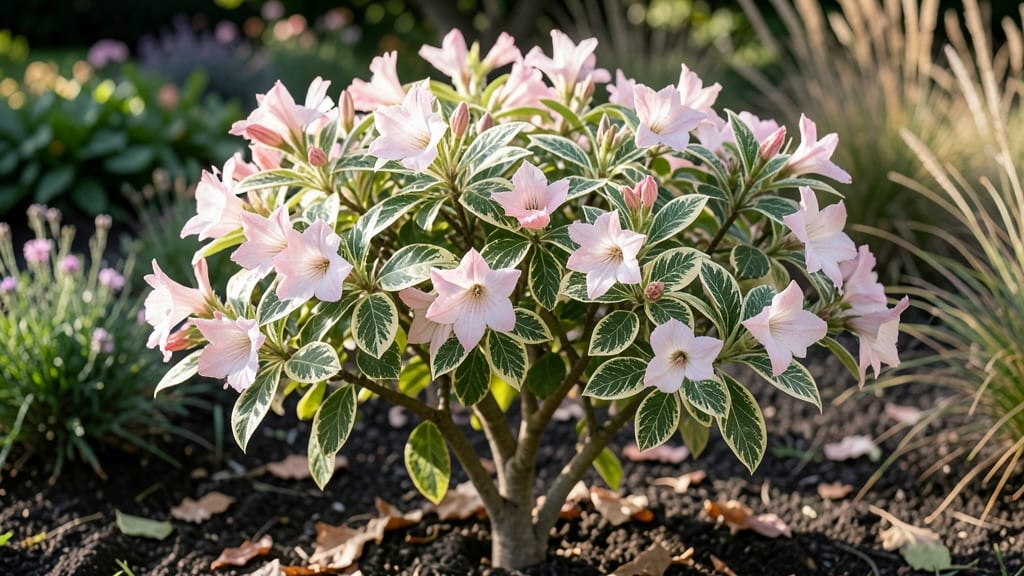
Your garden just got a year-round color show with the tri-color willow shrub. 🌿 This isn’t just another shrub—it’s a living tapestry of white, pink, and green foliage that turns heads in every season.
I planted mine last spring, and now it’s the star of my landscape, effortlessly blending structure with soft, cascading beauty.
The secret to its success? Well-draining soil and full sun to partial shade—it thrives where others struggle. Space them 8-10 feet apart so their canopies can weave together naturally.
Prune lightly in late winter to shape and encourage fresh growth, but avoid heavy cuts that strip away its signature foliage.
By summer, you’ll see those pink-tipped leaves deepen into creamy whites, creating a dreamy, ethereal effect. Even in winter, the bark adds subtle texture. Pair it with dwarf conifers or ornamental grasses to highlight its graceful form—it’s the kind of shrub that makes neighbors stop and ask, “What is that?”
Water deeply the first year to establish roots, then let nature take over—it’s surprisingly drought-tolerant once settled. The only real challenge? Resisting the urge to prune too aggressively. Trust the process, and you’ll have a low-maintenance masterpiece that pays dividends in curb appeal.
📚 In This Guide
- What you need
- Instructions
- Tips and common mistakes
- Wrapping up and next steps
What you need
- ● Tri-Color Willow Shrub (Salix caprea 'Tricolor'): 1-3 mature shrubs (depending on desired coverage)
- ● Nursery-grown, 3-5 ft tall with established roots
- ● Planting Site: Full sun to partial shade (6+ hours of sunlight daily)
- ● Well-draining soil (amend with compost if needed)
- ● Tools: Garden shovel or trowel
- ● Pruning shears (sterilized)
- ● Garden hose or watering can
- ● Mulch (2-3 inches of organic mulch like pine bark or shredded leaves)
- ● Slow-release fertilizer (balanced 10-10-10 or organic options like fish emulsion)
- ● Soil moisture meter (to monitor watering needs)
- ● Plant supports (stakes or cages for young shrubs in windy areas)
- ● Decorative stones or edging (for a polished garden bed)
Step-by-step guide to cultivating a vibrant tri-color willow shrub
Here's how to coax that stunning gold, green, and burgundy foliage from your tri-color willow—with fewer surprises along the way.
🌱 Step 1: Select the Perfect Planting Site and Soil
The tri-color willow thrives where it gets full sun to partial shade—at least 6 hours of direct sunlight daily—but tolerates filtered light in hotter climates. I always scout the site first: look for areas where other shrubs show healthy growth, as this indicates good drainage and moisture retention. The shrub's dramatic color shifts require well-draining, slightly acidic soil with a pH between 6.0 and 7.0.
Amend heavy clay soil with 2-3 inches of compost mixed into the top 12 inches of the planting hole. If your soil is sandy, incorporate 1 part peat moss into the backfill mix to retain moisture. Test soil drainage by digging a 12-inch deep hole and filling it with water—if it drains completely within 2 hours, your site is ready. Slow drainage means you'll need to raise the planting mound or add coarse sand to improve aeration.
🪴 Step 2: Plant at the Right Depth and Spacing
Dig a hole twice as wide as the root ball but only as deep as the container's root base. The tri-color willow's roots are shallow but extensive, so disturbing them too much stresses the plant. Gently remove the shrub from its container and loosen any circling roots with your fingers. Place it in the hole so the top of the root ball sits 1 inch above ground level—this prevents water from pooling at the stem base and causing rot.
Backfill with native soil mixed with 1 cup of slow-release fertilizer (10-10-10 ratio) to encourage strong root establishment. Space multiple shrubs 8-10 feet apart—they'll grow 10-15 feet wide at maturity, so crowding leads to weak, leggy growth. Water deeply immediately after planting to settle the soil and eliminate air pockets around the roots. You'll know it's right when water pools on the surface for 10-15 seconds before draining away.
☀️ Step 3: Water Deeply and Mulch for Color Intensity
Water deeply 2-3 times per week during the first growing season, ensuring moisture reaches 12-18 inches down. The tri-color willow's vibrant foliage fades when under stress, so consistent moisture is key. I use a soaker hose placed at the drip line to deliver water slowly without disturbing the soil surface. Check moisture by inserting your finger 3 inches deep—if it feels dry, it's time to water again.
Apply 3 inches of mulch (wood chips or shredded bark) around the base, keeping it 3 inches away from the stem to prevent rot. Mulch conserves moisture, regulates soil temperature, and enhances those gold, green, and burgundy hues by reducing stress. Replenish mulch annually in early spring, and avoid piling it against the trunk—this creates a damp, disease-prone environment. You'll notice the most intense colors in late spring to early summer, when the plant is fully established and moisture levels are ideal.
✂️ Step 4: Prune Strategically for Shape and Health
Prune your tri-color willow in late winter or early spring before new growth begins. Remove dead, diseased, or crossing branches first—these compete with healthy growth and detract from the shrub's natural elegance. Use clean, sharp pruners to make cuts just outside the branch collar (the swollen area where the branch meets the trunk). This prevents unsightly stubs and promotes faster healing.
Shape the shrub by thinning out overcrowded branches from the center to improve airflow and light penetration. Never remove more than 25% of the foliage in one season—this weakens the plant and dulls those signature colors. For a layered canopy, focus on selective pruning of the longest shoots to encourage bushier growth. You'll see the most dramatic color display when the shrub has open, airy branches that catch sunlight from all angles.
🌿 Step 5: Fertilize and Monitor for Pests
Apply a balanced, slow-release fertilizer (10-10-10) in early spring and again in mid-summer to maintain vibrant foliage. Avoid high-nitrogen fertilizers—they promote leafy growth at the expense of color intensity. Instead, opt for a low-nitrogen, high-potassium blend (5-10-10) to enhance those burgundy and gold tones. Water the soil thoroughly after applying fertilizer to prevent root burn.
Watch for aphids, spider mites, or scale insects, which thrive on stressed willow shrubs. I treat infestations early with neem oil (mixed according to package instructions) or insecticidal soap, applying it twice weekly until pests disappear. Avoid harsh chemical sprays—they can damage the delicate foliage and reduce the shrub's natural resistance. A healthy tri-color willow rarely attracts pests, so focus on proper watering and pruning to keep it thriving.
Tips & tricks for perfect tri-color willow growth
Here's what nobody tells you about nurturing that showstopping foliage—these are the details that separate a good willow from a spectacular one.
Soil pH Precision: While the instructions mention a pH range of 6.0-7.0, I've found that testing your soil before planting makes all the difference. Use a soil test kit to confirm—if your soil tests below 6.0, mix in 1 pound of agricultural lime per 100 square feet of planting area to raise the pH. For soils above 7.0, incorporate 1 part peat moss into the backfill mix to lower it gently. The tri-color willow's vibrant color shifts depend on this balance, and even small pH variations can dull those signature gold and burgundy tones. I've seen plants that looked perfectly healthy but produced only pale green foliage because of uncorrected soil pH.
Root Ball Handling: When removing the tri-color willow from its container, I always soak the root ball in water for 10-15 minutes before loosening the roots. This hydrates the roots and makes them more pliable, reducing stress during transplanting. After loosening any circling roots, I create small vertical slits in the root ball with my fingers—this encourages faster root establishment. The key is to handle the roots gently but thoroughly, as the instructions specify placing the top of the root ball 1 inch above ground level. This small elevation prevents water from pooling at the stem base, which is crucial for preventing rot.
Watering Strategy: The instructions recommend watering deeply 2-3 times per week, but I've developed a more precise approach. After planting, I water immediately to settle the soil, then wait until the top 3 inches of soil feel dry before watering again. For the first growing season, I use a moisture meter to ensure water reaches 12-18 inches down—this deep watering encourages the willow's extensive root system to develop properly. In hotter climates, I increase watering to every other day during peak summer months, always checking moisture levels before watering. The goal is to maintain consistent moisture without creating waterlogged conditions, as the tri-color willow's dramatic foliage fades under stress.
Pruning Timing: While the instructions specify pruning in late winter or early spring, I've found that the exact timing matters more than you might think. For the most vibrant color display, prune when the plant is still dormant but just before new growth begins—this is typically 4-6 weeks before your last expected frost. If you prune too early, you risk encouraging new growth that might be damaged by late frosts. If you prune too late, you'll miss the opportunity to shape the plant before the growing season. The goal is to create an open, airy canopy that catches sunlight from all angles, which is exactly what the instructions emphasize when discussing selective pruning of the longest shoots.
Pro Tips for Tri Color Willow Shrub
- Here's what nobody tells you about nurturing that showstopping foliage—these are the details that separate a good willow from a spectacular one.
- Soil pH Precision: While the instructions mention a pH range of 6.0-7.0, I've found that testing your soil before planting makes all the difference.
- Root Ball Handling: When removing the tri-color willow from its container, I always soak the root ball in water for 10-15 minutes before loosening the roots.
Frequently asked questions
about the Tri-Color Willow Shrub—because even the most stunning shrubs come with a few burning questions!How fast does a Tri-Color Willow Shrub grow?
The Tri-Color Willow Shrub grows at a moderate to fast pace—expect 12–24 inches per year under ideal conditions. With proper care, it can reach 6–10 feet tall and wide within 3–5 years. Prune regularly to control its size and encourage bushier growth!
Does this shrub lose its color in winter?
Don’t worry—this shrub is a year-round performer! While the vibrant tri-color foliage (purple, pink, and green) fades slightly in winter, the deep burgundy stems and buds add winter interest. Some varieties even hold soft pink or cream hues in cold months!
When and how should I prune it?
Prune your Tri-Color Willow in late winter or early spring (before new growth starts) to shape it and remove dead branches. For a fuller look, trim back 1/3 of the oldest stems to encourage fresh growth. Avoid heavy pruning in fall—it may stunt spring color!
Are these shrubs deer-resistant?
While not fully deer-proof, the Tri-Color Willow is less appealing than tender perennials. Deer may nibble young shoots, but mature shrubs are often ignored. For extra protection, apply deer repellent or plant with thorny companions like barberry!
What’s a good alternative if I want similar color but less maintenance?
If you love the tri-color drama but want lower upkeep, try:
- Dwarf Fountain Grass (Pennisetum alopecuroides) – Bold variegated stripes, drought-tolerant.
- Ninebark (Physocarpus) – Pink/white flowers + burgundy foliage; hardy and low-maintenance.
- Cotoneaster (Cotoneaster) – Mixed foliage + berries for winter interest.
Wrapping up and next steps
The tri-color willow shrub is a stunning, low-maintenance gem that brings year-round beauty to your landscape with its vibrant foliage and graceful form.
Whether you’re drawn to its lush spring hues, fiery fall tones, or delicate winter silhouettes, this shrub proves that color and ease go hand in hand.
Ready to transform your outdoor space? Start by selecting the perfect spot, gather your supplies, and dive into planting—your future willow’s layered canopy awaits!