
Shrubs
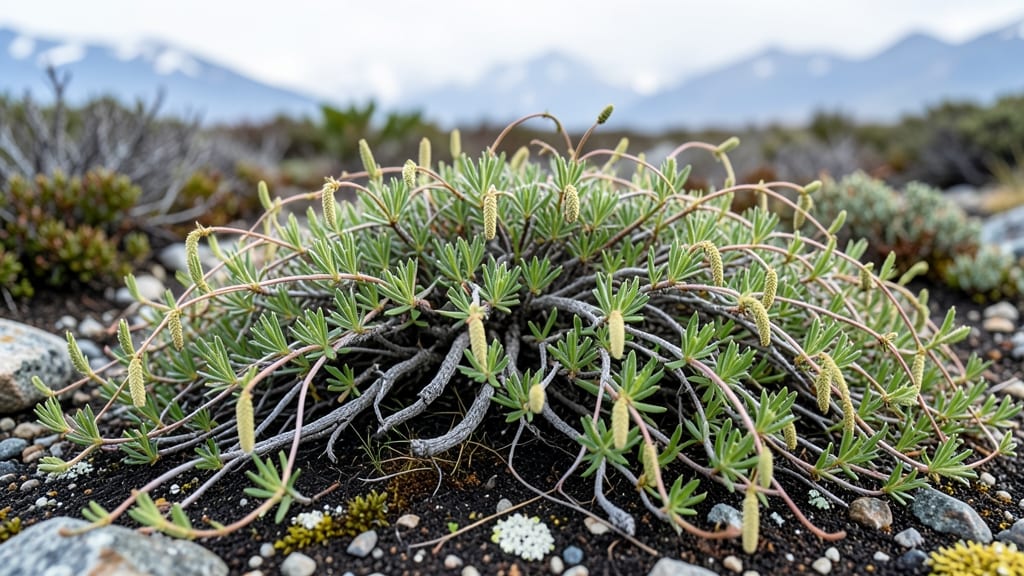
Nothing beats the sight of Arctic willow shrubs thriving where most plants freeze solid. 🌿 These hardy shrubs, with their silvery foliage and delicate blooms, are the unsung heroes of cold climates—surviving subzero temperatures and transforming harsh landscapes into fragrant, living tapestries.
You don’t need a greenhouse or fancy soil to grow them—just a spot that gets full sun and well-draining ground. Whether you’re in Alaska, the Rocky Mountains, or even a high-altitude garden, these shrubs will spread like a lush, low-maintenance carpet.
They’re tough enough for erosion control but pretty enough for ornamental borders.
By late spring, you’ll see their tiny yellow flowers drawing pollinators, and their silvery leaves will shimmer in the wind. Prune lightly after flowering to keep them compact, and they’ll reward you with years of effortless beauty—no fuss, just resilience.
Perfect for gardeners who want drama without drama: these shrubs handle snow, drought, and even trampling like champions. Here’s how to make them thrive in your toughest spots.
📚 In This Guide
- What you need
- Instructions
- Tips and common mistakes
- Wrapping up and next steps
What you need
- ● Arctic willow shrubs (Salix arctica or related species): 3–5 young plants (bare-root or container-grown, 1–2 ft tall)
- ● Verify USDA Hardiness Zones 1–6 compatibility
- ● Well-draining soil: 1–2 cubic yards of sandy loam or peat-based mix (pH 5.5–7.0)
- ○ Optional: Perlite or coarse sand (1 part per 4 parts soil) for aeration
- ● Fertilizer: Balanced 10-10-10 NPK fertilizer (1 lb per 10 sq ft)
- ○ Slow-release osmocote (optional for nutrient consistency)
- ● Mulch: 2–3 inches of pine straw or bark chips (preserves moisture)
- ● Garden trowel or spade (for digging)
- ● Gloves & long sleeves (willow branches can be prickly!)
- ● Watering can or hose with nozzle (drip irrigation ideal for consistency)
- ● Pruning shears (for shaping and maintenance)
- ○ pH testing kit (optional but helpful for soil prep)
- ● Container (if growing in pots): 5–7 gallon pots with drainage holes (1 per plant)
- ● Fabric grow bags (alternative for root aeration)
- ● Full-sun location: Minimum 6+ hours of direct sunlight daily (arctic willows thrive in harsh light!)
- ● Cold tolerance: No need for frost protection—these shrubs love winter!
- ● Water source: Access to water for the first 2–4 weeks post-planting
- ● Patience: Growth is slow (6–12 inches per year), but worth the wait!
Step-by-Step guide to planting and cultivating Arctic willow shrubs
These hardy shrubs transform cold climates into fragrant, living canopies with minimal fuss.
🌱 Step 1: Select the Perfect Planting Site
Arctic willow thrives in full sun to partial shade, but the key is drainage—waterlogged roots spell doom. Choose a site where water runs off quickly after rain. I always test by digging a 12-inch deep hole and checking for standing water; if it pools after 30 minutes, amend the soil with 1-2 inches of coarse sand or gravel before planting.
Wind exposure matters less than you'd think—these shrubs handle 20+ mph winds once established. For the first year, though, a sheltered spot helps roots establish. You'll see the difference in growth: plants in exposed areas grow wider but shorter, while sheltered ones shoot up faster.
🪴 Step 2: Prepare the Soil and Plant With Care
Amend native soil with 50% peat moss or coconut coir and 50% native soil to create a loose, airy mix that won't compact. Arctic willows hate soggy feet but need consistent moisture during root establishment. Dig a hole twice as wide as the root ball and 1 inch deeper than the container's depth.
Remove the shrub from its container and tease the roots gently if they're circling. Place it in the hole so the top of the root ball sits 1 inch above soil level—this prevents rot when spring thaws bring water. Backfill with your amended mix, tamping lightly every 2 inches to eliminate air pockets. Water deeply until moisture reaches 6 inches down.
☀️ Step 3: Water Strategically for First-Year Establishment
Arctic willows need 1-2 inches of water weekly during their first growing season, but deep soakings beat frequent shallow waterings. I set a timer for 20 minutes every 5 days with a soaker hose, letting the water penetrate 8-12 inches deep. You'll know you're doing it right when the soil 1 inch below the surface feels damp but not wet.
Mulch with 3 inches of wood chips (not bark) around the base, keeping it 3 inches away from the trunk. This preserves moisture and regulates soil temperature. In winter, the mulch also protects roots from extreme cold snaps. Avoid synthetic mulches—they don't break down and can suffocate roots over time.
✂️ Step 4: Prune for Shape and Health
Prune Arctic willows in late winter or early spring before new growth begins. Remove 1/3 of the oldest stems at the base to encourage fresh, vigorous growth. Cut back any dead, diseased, or crossing branches with clean, sharp pruners. You'll see new shoots emerge from the base within 2-3 weeks—this is your signal that the plant's responding well.
For shaping, prune just above a leaf bud, always at a 45-degree angle. Avoid "heading back" (cutting into old wood)—this stresses the plant. Instead, focus on opening the center for airflow. Mature shrubs can handle 20-30% annual pruning without stress, but never remove more than 1/3 of the canopy in one season.
⏰ Step 5: Maintain Through Seasons
Fertilize lightly in early spring with a 10-10-10 balanced fertilizer at ½ the recommended rate. Arctic willows aren't heavy feeders, and over-fertilizing leads to weak, leggy growth. Water again after applying fertilizer to help nutrients penetrate the soil.
In fall, reduce watering as temperatures drop. The plant enters dormancy when nighttime temps stay below 45°F for 2 weeks. No fall pruning is needed—wait until next spring. These shrubs reward patience with fragrant foliage and striking winter bark, making them a low-maintenance star for cold climates.
Tips & tricks for perfect Arctic willow shrub cultivation
Real talk: These hardy shrubs are forgiving, but a few strategic moves make all the difference in establishing strong, fragrant canopies.
Drainage Test: That 30-minute standing water test in Step 1 is non-negotiable. I've seen willows fail spectacularly in "well-drained" soil that still held water after 24 hours. If your site has heavy clay, consider raised beds—this gives roots the airy environment they crave. For container growing, ensure pots have drainage holes and use a mix of 60% amended soil and 40% perlite.
Root Ball Placement: The 1-inch elevation above soil level in Step 2 prevents spring rot from melting snow. Here's the thing: If you're planting in fall, add an extra ½ inch of elevation to account for winter soil settling. I've seen new transplants sink below grade during freeze-thaw cycles, leading to crown rot. Use a level to verify placement before backfilling.
Watering Precision: Those 20-minute soaker sessions in Step 3 require patience. I set a timer and move the hose every 5 minutes to ensure even penetration. The goal is to wet the entire root zone (8-12 inches deep), not just the surface. A soil probe is your best friend here—insert it after watering to verify moisture depth. In windy areas, water in the morning to reduce evaporation.
Pruning Angle: That 45-degree angle in Step 4 isn't just aesthetic—it's about wound healing. Cutting at this angle increases surface area for callus formation, reducing disease risk. For thick stems, make two cuts: first horizontal just above the bud, then angled downward. Always use clean, sharp pruners to prevent tearing that invites pathogens.
Pro Tips for Arctic Willow Shrubs
- Real talk: These hardy shrubs are forgiving, but a few strategic moves make all the difference in establishing strong, fragrant canopies.
- Drainage Test: That 30-minute standing water test in Step 1 is non-negotiable.
- Root Ball Placement: The 1-inch elevation above soil level in Step 2 prevents spring rot from melting snow.
Frequently asked questions
Got questions about growing and caring for Arctic Willow shrubs? You’re not alone! Here are some of the most common queries—plus straightforward answers to help you nurture these hardy, fragrant beauties with confidence.
Can Arctic Willow shrubs survive extreme cold?
These shrubs are built for harsh climates, thriving in USDA Zones 2-6. Their woody stems and compact growth make them resilient to temperatures as low as -40°F (-40°C). Just ensure they’re planted in well-draining soil to prevent root rot during thaw cycles.
How long does it take for Arctic Willow to establish and flower?
Patience pays off! Arctic Willow shrubs typically take 2-3 years to establish after planting before producing their signature fragrant flowers (usually in late spring or early summer). Young shrubs focus on root growth first—so avoid heavy pruning in their first year.
What’s the best alternative if my soil is too poor?
If your soil is rocky or nutrient-poor, mix in compost or peat moss at planting to improve drainage and fertility. Arctic Willow shrubs adapt well but do appreciate slightly acidic to neutral soil (pH 5.0-7.0). For extra insurance, use a slow-release fertilizer in early spring.
Are Arctic Willow shrubs prone to pests or diseases?
Generally pest-resistant, but watch for aphids or spider mites in dry conditions. Treat with neem oil if needed. Overwatering can lead to fungal issues like powdery mildew—ensure good airflow and avoid wetting foliage. A healthy shrub is your best defense!
Can I propagate Arctic Willow from cuttings?
Yes! Take 4-6 inch softwood cuttings in early summer, dip in rooting hormone, and plant in moist perlite or sand. Keep them humid (use a plastic bag) and in partial shade until roots form (4-6 weeks). Prune parent plants lightly to encourage new growth for cuttings.
Wrapping up and next steps
Arctic willow shrubs prove that resilience and beauty can thrive even in the toughest climates! 🌿 Whether you're drawn to their delicate blooms, hardy nature, or fragrant charm, these shrubs are a fantastic addition to cold-hardy gardens.
Their ability to adapt to harsh conditions makes them a low-maintenance yet stunning choice for any outdoor space.
Ready to bring some Arctic elegance to your garden? Start by selecting the right variety for your climate zone, gather your materials, and dive into planting—your future fragrant canopy awaits! 🌟