
Flowers
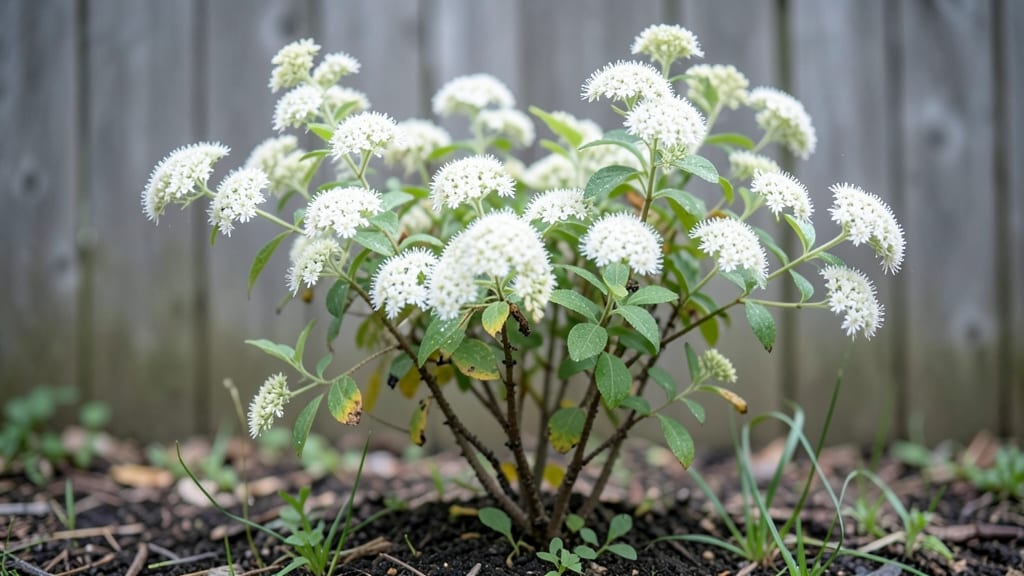
This tree shrub with small white fragrant flowers might just be the unsung hero of your garden borders—think mock orange or deutzia, both of which turn heads with their delicate blooms and intoxicating scent. 🌿 I planted mine last spring, and now it’s the first thing visitors notice when they walk up the path.
The way it arches over garden beds, spilling white blossoms like confetti, makes every season feel like a celebration.
What makes these shrubs so special is how they work in your design. Mock orange thrives in partial shade, while deutzia loves full sun—both handle pruning like champs, so you can shape them into neat hedges or let them grow wild for a natural look.
They’re also pollinator magnets, drawing bees and butterflies that’ll make your garden hum with life. Pair them with lavender or catmint for a fragrant, long-blooming border that stays stunning from spring through summer.
By late summer, the flowers give way to glossy foliage that adds texture, and some varieties even produce tiny berries for winter interest. The scent alone—like a mix of citrus and honey—will have neighbors asking for your secret.
These shrubs aren’t just pretty; they’re the kind of plants that make your garden feel like a sanctuary.
Perfect for foundation plantings, mixed borders, or even as standalone statement pieces. Whether you’re filling a sunny spot or a shady corner, these fragrant beauties deliver year-round charm with almost no fuss. Let’s talk placement and pairing ideas next!
When Fragrance Fades Away
If your fragrant flowering shrub has lost its signature sweet scent—or never developed one in the first place—it’s usually a sign of underlying environmental or biological factors. While some plants naturally produce milder aromas under stress, others may be struggling to activate the chemical pathways responsible for fragrance.
Let’s break down the most common reasons and what’s really going on in your garden.
Many fragrant flowers rely on insects, wind, or even birds to trigger the production of volatile organic compounds (VOCs)—the chemicals that create scent. If your shrub isn’t getting enough pollinator activity, it may produce fewer or weaker fragrances.
- Why it happens:
- Lack of bees, butterflies, or moths (key pollinators for many fragrant shrubs like Philadelphus or Deutzia). These visitors release enzymes that stimulate scent production.
- Overuse of broad-spectrum pesticides, which can eliminate pollinators entirely.
- Planting in isolated locations where pollinators rarely visit.
- Actionable fix:
- 🐝 Attract pollinators by planting companion flowers like lavender, coneflowers, or native wildflowers nearby.
- 🚫 Avoid synthetic pesticides—opt for neem oil or insecticidal soap instead.
- 🌿 Place shrubs near water sources (pollinators love hydration stations!).
Fragrance production is an energy-intensive process for plants. When a shrub is under stress—whether from drought, extreme heat, or poor soil—it may prioritize survival over scent, redirecting resources to root growth or leaf protection instead.
| Stress Factor | How It Affects Fragrance | Signs to Watch For |
|---|---|---|
| Drought | The plant conserves water by reducing VOC production, which requires moisture. | Wilting leaves, crispy leaf edges, or soil pulling away from the pot. |
| Extreme Heat | High temperatures can denature enzymes responsible for scent production. | Yellowing leaves, leaf scorch, or flowers wilting by midday. |
| Poor Soil Nutrition | Lack of phosphorus or nitrogen limits energy for floral development, including aroma. | Pale or yellow leaves, stunted growth, or sparse blooms. |
Actionable fix:
- 💧 Water deeply but infrequently (1–2 inches per week) to encourage deep root growth.
- 🌡️ Provide afternoon shade in hot climates (use shade cloth if needed).
- 🌱 Amend soil with compost or a balanced fertilizer (10-10-10) in early spring.
Not all plants are created equal—some cultivars or species are bred specifically for showy blooms over scent, while others may have naturally weaker aromas due to selective breeding. If your shrub was labeled as "fragrant" but disappoints, it might be a mild-scented hybrid.
- Why it happens:
- Modern horticulture often prioritizes disease resistance, color vibrancy, or compact size over fragrance.
- Some Deutzia or Weigela varieties are selected for double blooms, which can reduce scent intensity.
- Age matters—younger plants may produce weaker fragrances until fully mature.
- Actionable fix:
- 🔍 Research your specific cultivar—some nurseries label plants as "highly fragrant" (e.g., Philadelphus 'Minnesota Snow' vs. 'Belle Etoile').
- 🌿 Plant alongside known fragrant companions (e.g., Spiraea or Abelia) to boost sensory appeal.
- 🕰️ Be patient—fragrance often peaks in mid-morning on warm, sunny days.
💡 Pro Tip: If your shrub’s fragrance is strongest in the morning but fades by afternoon, it’s likely a natural diurnal pattern—not a problem! Many fragrant flowers release the most VOCs when pollinators are most active.
Revive & Restore Your Fragrant Shrub
Reviving a struggling shrub with delicate white blooms doesn’t have to be a guessing game. Whether your plant is wilting, failing to flower, or showing signs of disease, targeted care can bring it back to its fragrant, pollinator-friendly best.
Below, we’ve mapped common issues to practical fixes—plus prevention tips to keep your shrub thriving for years.
Signs: Yellowing leaves, soggy soil, or roots that smell rotten. Why It Happens: Too much moisture suffocates roots, while compacted soil traps excess water.
How to Solve: 🔥 Step 1: Pause Watering – Let the soil dry out completely for 2–3 days to prevent further rot. 🍳 Step 2: Improve Drainage – Mix in coarse sand or perlite (1 part to 3 parts soil) around the root zone. For container plants, repot with well-draining potting mix. 👨🍳 Step 3: Prune Damaged Roots – Gently remove the shrub, trim any black or mushy roots with sterilized shears, and replant in amended soil. ⏰ Step 4: Adjust Watering – Water deeply but infrequently (1–2 times per week, depending on climate). Stick your finger 2 inches into the soil—if it’s dry, it’s time to water.
💡 Prevention Tip:
- Plant in raised beds or on a slight slope to encourage runoff.
- Use mulch (2–3 inches) to regulate moisture without smothering roots.
Signs: Crispy edges, bleached spots, or leaves dropping prematurely. Why It Happens: Sudden heat, harsh afternoon sun, or transplant shock can scorch tender foliage.
How to Solve: 🌡️ Step 1: Provide Shade – Move potted shrubs to a spot with morning sun + afternoon shade, or drape lightweight shade cloth (30–50%) over outdoor plants. 🎯 Step 2: Hydrate Deeply – Water at the base (not leaves) during heatwaves to avoid evaporation. Use drip irrigation for consistency. ✨ Step 3: Fertilize Gently – Apply a balanced, slow-release fertilizer (10-10-10) to boost resilience. Avoid high-nitrogen feeds, which can stress plants further.
💡 Prevention Tip:
- Acclimate gradually if moving plants outdoors—harden them off over 7–10 days.
- Choose heat-tolerant varieties (e.g., mock orange or abelia) if your climate has intense summers.
Signs: Chewed leaves, sticky residue (aphids), fungal spots, or wilting despite proper watering. Why It Happens: Sap-sucking insects, powdery mildew, or bacterial infections thrive in humid conditions.
How to Solve: 🔪 Step 1: Identify the Culprit
- Pests (aphids, spider mites): Wipe leaves with soapy water (1 tsp mild dish soap + 1 quart water).
- Fungal issues (powdery mildew): Spray with neem oil (1 tbsp per quart of water) or baking soda mix (1 tsp baking soda + 1 quart water + a drop of soap).
- Bacterial leaf spot: Prune infected leaves below the infection point and sterilize tools with rubbing alcohol.
🌿 Step 2: Encourage Natural Defenses
- Introduce beneficial insects (ladybugs for aphids) or companion plants like marigolds.
- Improve airflow by pruning dense branches to reduce humidity around foliage.
💡 Prevention Tip:
- Inspect plants weekly during growing season for early signs.
- Water in the morning to let leaves dry quickly, deterring fungal growth.
Signs: Long, bare stems, few leaves, or flowers clustered only at the tips. Why It Happens: Overpruning, lack of light, or aging can make shrubs look woody and sparse.
How to Solve: 🌿 Step 1: Rejuvenation Pruning
- For severely woody shrubs: Cut back 1/3 of the oldest stems to the ground in early spring. This encourages new growth from the base.
- For leggy growth: Trim just above a leaf bud (not a bare stem) to redirect energy upward.
🌱 Step 2: Feed & Mulch
- Apply compost or aged manure around the base to replenish nutrients.
- Top with 2–3 inches of mulch to protect roots and retain moisture.
💡 Prevention Tip:
- Prune annually in late winter/early spring to maintain shape and encourage blooms.
- Fertilize lightly in early spring with phosphorus-rich food (e.g., 5-10-10) to promote flowering.
Final Thought: Most shrub issues stem from over- or under-care, but with these targeted fixes, your fragrant beauty will bounce back—and stay healthy. Monitor progress weekly, adjust as needed, and soon you’ll have a lush, pollinator-magnet in your garden! 🐝✨
Frequently asked questions
Which shrubs have the most intense white flower fragrance?
Mock orange (Philadelphus) and deutzia top the list for intoxicating scents, while abelia and weigela offer milder but still lovely aromas. Mock orange's citrus-honey fragrance is often compared to orange blossoms, making it a garden favorite for scent intensity.
Do these shrubs attract bees and butterflies?
Their small white flowers are pollinator magnets. Mock orange and deutzia are especially effective at drawing bees, while abelia's tubular blooms attract hummingbirds too. Plant them near herbs or other nectar-rich flowers to create a pollinator paradise.
Can I grow these in containers?
Yes, but choose compact varieties like deutzia 'Nikko White' or mock orange 'Valley Sun'. Use well-draining potting mix and a container at least 18 inches wide with drainage holes. Container plants need more frequent watering than ground-planted shrubs.
When is the best time to prune for maximum blooms?
Prune right after flowering (late spring to early summer) to maintain shape and encourage next year's blooms. Avoid heavy pruning in fall or winter—these shrubs bloom on new wood, so late cuts may reduce spring flowers.
Why aren't my fragrant shrubs smelling as strong as expected?
Several factors can reduce fragrance: poor soil nutrition, lack of pollinators, or planting in shaded areas. Try adding compost, planting near pollinator-friendly flowers, and ensuring they get at least 4-6 hours of sunlight daily for optimal scent production.