
Shrubs
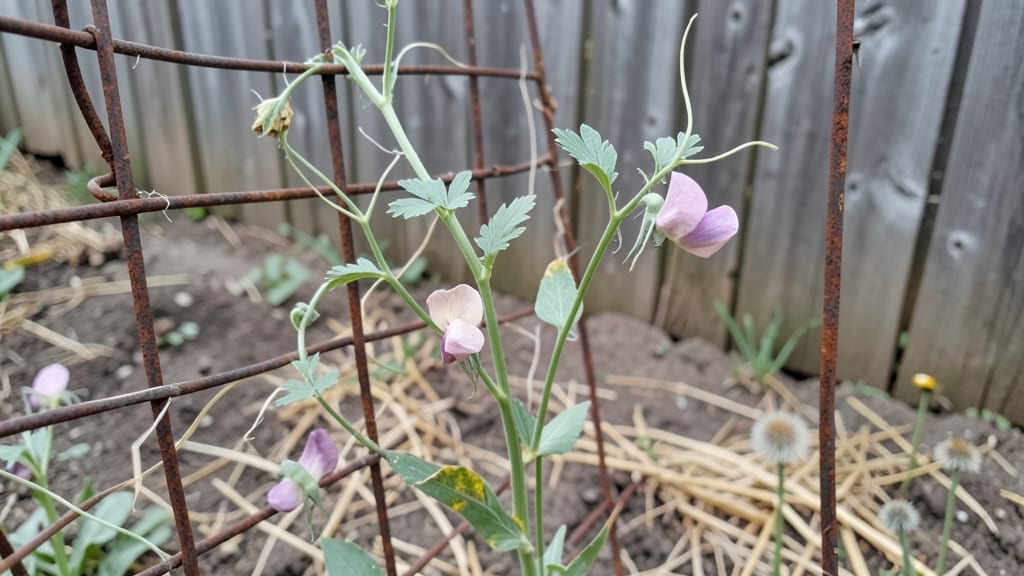
Your sweet pea shrub’s leaves turning yellow isn’t just a cosmetic issue—it’s a cry for help from your plant. 🌿 I’ve seen this happen after years of gardening, and the fix often comes down to one overlooked factor: soil acidity.
The right balance restores that lush, deep green you love, but getting there takes a little detective work.
Overwatering, nutrient deficiencies, or even fungal infections can mimic yellowing, but sweet peas often react to soil pH first. Check the soil moisture—if it’s soggy, you’re drowning the roots. Then grab a pH test kit (or vinegar/baking soda) to see if your soil’s too alkaline.
Most sweet peas thrive in slightly acidic soil (pH 6.0-7.0), so a simple amendment like sulfur or peat moss can work wonders.
Once you adjust the soil, prune any severely yellowed stems to redirect energy. Within 2-4 weeks, you’ll see new growth pushing through with vibrant color. The key is consistency—keep an eye on watering and test the soil again in a month to confirm the fix took hold.
If yellowing persists after adjusting care, pests or disease might be the culprit. That’s when it’s time to call in reinforcements—like a local extension office or trusted gardener. Most cases, though, respond quickly to these simple tweaks. Let’s get your shrub back to its best.
Root Causes Behind Yellowing
When your sweet pea shrub (likely Lathyrus odoratus or a related cultivar) starts turning yellow, it’s often a cry for help from the plant itself. Understanding the why behind the discoloration is the first step to restoring its lush, vibrant green.
Below, we break down the most common culprits—each with a clear scientific explanation and actionable insights to diagnose the issue accurately.
Yellowing in sweet pea shrubs is frequently tied to nutrient imbalances, particularly deficiencies in nitrogen, iron, or magnesium. These deficiencies manifest differently, so paying attention to the pattern of yellowing helps pinpoint the exact issue:
- Nitrogen Deficiency (General Chlorosis) - What’s happening? Nitrogen is essential for chlorophyll production, the pigment that gives leaves their green hue.
When soil lacks nitrogen, older leaves (starting from the bottom) turn pale yellow or straw-like, while veins remain green. - Why it occurs: Poor soil quality, overwatering (which leaches nitrogen), or improper fertilization (e.g., relying solely on phosphorus/potassium-heavy fertilizers) can deplete nitrogen reserves. - Actionable fix: Apply a balanced, slow-release fertilizer (e.g., 10-10-10 or 20-20-20) or organic amendments like composted manure or alfalfa meal.
For quick results, use a liquid nitrogen booster (e.g., urea or fish emulsion).
- Iron Deficiency (Interveinal Chlorosis) - What’s happening? Iron is critical for chlorophyll synthesis, but plants struggle to absorb it in alkaline soils (pH > 7.0).
Yellowing appears between veins (interveinal) while veins stay green—common in younger leaves first. - Why it occurs: High soil pH locks out iron, even if it’s present. Sweet peas prefer slightly acidic to neutral soil (pH 6.0–7.0).
Over-fertilization with lime or tap water high in calcium can also worsen the issue. - Actionable fix: - Lower soil pH with elemental sulfur or peat moss (apply 1–2 lbs per 100 sq ft and water thoroughly). - Use chelated iron supplements (e.g., iron sulfate or iron EDTA) every 2–4 weeks during growing season. - Avoid lime or wood ash near the shrub.
- Magnesium Deficiency (Yellow Edges & Vein Patterns) - What’s happening? Magnesium is a central atom in chlorophyll.
Deficiencies cause yellowing between veins (similar to iron but often with purplish or brown edges on older leaves). - Why it occurs: Overwatering, heavy clay soils, or excessive potassium fertilization can leach magnesium.
Sweet peas are light feeders—overdoing it with fertilizers disrupts balance. - Actionable fix: - Apply Epsom salt (magnesium sulfate)—dissolve 1 tbsp per gallon of water and spray foliarly or water into soil monthly. - Incorporate dolomitic lime (if soil pH is also high) to replenish magnesium long-term.
Sweet pea shrubs are drought-tolerant but hate soggy roots, making water-related stress a top cause of yellowing. Here’s how to spot the issue:
- Overwatering (Root Rot & Anaerobic Stress) - What’s happening? Excess moisture drowns roots, cutting off oxygen and triggering fungal/bacterial rot. Leaves turn yellow, then brown, and may drop.
The soil smells sour or moldy. - Why it occurs: Poor drainage, compacted soil, or inconsistent watering (e.g., daily light sprinkles) encourages root suffocation. - Actionable fix: - Improve drainage by amending soil with perlite, sand, or compost. - Water deeply but infrequently (1–1.5 inches per week; less in winter). - If root rot is suspected, trim affected roots, repot in fresh soil, and apply fungicide (e.g., copper-based).
- Underwatering (Physiological Stress) - What’s happening? Leaves curl, edges crisp, and uniform yellowing spreads as the plant conserves water.
Soil pulls away from pot edges and feels bone-dry. - Why it occurs: Inadequate irrigation, especially during hot/dry spells or when sweet peas are in bloom (high water demand). - Actionable fix: - Water at the base (not overhead) to reduce evaporation. - Use mulch (straw or wood chips) to retain moisture. - Adjust watering to match weather conditions (e.g., daily in 90°F heat, weekly in cool seasons).
Sweet pea shrubs thrive in partial shade to full sun, but pushing them beyond their limits causes stress-related yellowing:
- Too Much Sun (Sunburn or Heat Stress) - What’s happening? Leaves bleach to yellow or white in direct afternoon sun, especially in hot climates. Edges may scorch (brown, crispy). - Why it occurs: Sweet peas prefer morning sun + afternoon shade in zones with intense heat (e.g., Southern U.S.).
Transplant shock or sudden exposure worsens the issue. - Actionable fix: - Provide dappled shade (e.g., near trees or a sheer curtain) during peak heat (12–4 PM). - Increase humidity with a mist system or pebble tray if indoors. - Avoid transplanting in midday heat—do it in early morning or evening.
- Cold or Frost Damage - What’s happening? Leaves turn yellow, then black, especially after a hard freeze (<25°F).
New growth may appear stunted. - Why it occurs: Sweet peas are tender perennials (USDA zones 9–11); they cannot tolerate frost. - Actionable fix: - Mulch heavily (4–6 inches of straw) before winter. - Cover shrubs with frost cloth if temperatures dip below 30°F. - In colder zones, grow sweet peas as annuals or container plants (move indoors in winter).
Yellowing can also signal an invisible battle between your shrub and pests/diseases:
- Aphids & Spider Mites - What’s happening? These sap-suckers cause stippled yellowing, curled leaves, and sticky residue (honeydew). Infestations thrive in dry, dusty conditions. - Why it occurs: Weak plants (from stress or poor nutrition) attract pests.
Overhead watering spreads them. - Actionable fix: - Blast off pests with a strong spray of water. - Use neem oil or insecticidal soap (repeat every 5–7 days). - Introduce ladybugs (natural predators) or parasitic wasps.
- Fungal Infections (Powdery Mildew, Rust) - What’s happening? Yellowing patches with white powder (mildew) or orange spots (rust) on upper leaf surfaces.
Humid conditions accelerate spread. - Why it occurs: Poor air circulation, overhead watering, or dense foliage traps moisture. - Actionable fix: - Prune for airflow; space shrubs 12–18 inches apart. - Apply baking soda spray (1 tsp baking soda + 1 quart water + drop of soap) weekly. - Use copper fungicide for severe cases.
Sweet peas hate alkaline soil—a pH above 7.0 locks out essential nutrients, even if they’re present. Yellowing here is often systemic (affecting new and old leaves):
- High pH (Alkaline Soil)
- What’s happening? Leaves turn yellow with green veins (classic iron/manganese deficiency symptoms). Growth slows, and the plant looks "starved."
- Why it occurs: Over-liming, tap water with high calcium, or native soil (e
Quick Fixes for Yellowing Shrubs
Reviving your sweet pea shrub from a dull, yellowing state starts with identifying the root cause—and then taking action. Below, we’ve mapped out practical, step-by-step solutions for the most common triggers, along with prevention tips to keep your shrub lush and vibrant. Let’s get growing!
Fix: Adjust your watering habits and improve soil aeration.
- 🔥 Check the Soil Moisture Before watering, stick your finger 1-2 inches into the soil. If it’s soggy, hold off on watering. Sweet pea shrubs prefer moderately moist (not waterlogged) soil.
- 👨🍳 Improve Drainage
- If your shrub is in a container, add perlite or coarse sand to the potting mix (20-30% of the total volume).
- For in-ground plants, amend the soil with compost or organic matter to loosen heavy clay.
- ⏰ Water Deeply but Less Often Water thoroughly 1-2 times per week (adjust based on climate) rather than light daily sprinkles. This encourages deep root growth and prevents waterlogging.
💡 Prevention Tip: Use a moisture meter or terracotta pot as a DIY indicator—if it’s always damp, you’re overwatering!
Fix: Boost iron levels and adjust soil pH.
- 🍳 Apply Iron Supplement
- For containers: Use an iron chelate fertilizer (like Ironite) every 4-6 weeks during growing season.
- For in-ground shrubs: Sprinkle iron sulfate granules around the base and water deeply.
- 🌡️ Test and Adjust Soil pH Sweet pea shrubs thrive in slightly acidic to neutral soil (pH 6.0-7.0).
- If soil is too alkaline (pH >7.0), add sulfur or peat moss to lower pH.
- If soil is too acidic (pH <6.0), mix in lime (follow package instructions).
- 🥗 Feed with Organic Matter Work compost, worm castings, or a balanced 10-10-10 fertilizer into the soil 2-3 times per year (spring, summer, fall).
💡 Prevention Tip: Mulch with pine needles or oak leaves to naturally lower pH over time.
Fix: Treat infections and improve airflow.
- 🔪 Prune Affected Areas
- Remove yellowing leaves with black spots or powdery white residue using sterilized pruners (wipe with rubbing alcohol).
- Dispose of infected foliage in the trash (not compost).
- 🌿 Apply Fungicide
- For powdery mildew: Spray with neem oil (1 tsp per quart of water) or baking soda solution (1 tbsp baking soda + 1 tsp soap per gallon) every 7-10 days.
- For root rot: Treat with copper fungicide (follow label rates).
- ✨ Boost Air Circulation
- Thin out dense branches to improve airflow.
- Space shrubs 3-4 feet apart if planting new ones.
💡 Prevention Tip: Water early in the morning to allow foliage to dry quickly—wet leaves overnight invite fungal growth.
Fix: Shield your shrub from temperature swings.
- 🌞 Provide Shade in Summer
- If your shrub is in a hot, sunny spot, install light shade cloth (30-50%) during peak afternoon heat.
- Mulch heavily (3-4 inches) with straw or wood chips to retain moisture and cool roots.
- ❄️ Protect from Frost
- Cover young shrubs with frost cloth during late spring/early fall frosts.
- Avoid pruning in winter—wait until early spring to encourage new growth.
- 💧 Increase Water in Heatwaves
- Water deeply 2-3 times per week during 90°F+ temperatures.
- Mist leaves lightly on extremely hot days (early morning or evening only).
💡 Prevention Tip: Choose a microclimate—plant sweet pea shrubs where they get morning sun and afternoon shade for best resilience.
Fix: Remove pests and restore plant health.
- 🔍 Inspect Leaves Look for sticky residue (aphids), tiny webs (spider mites), or chewed edges. Act fast—pests spread quickly!
- 🍳 Natural Pest Control
- Spray with soapy water (1 tsp mild soap per quart of water) to dislodge aphids.
- Release ladybugs or lacewings (beneficial insects) to eat pests naturally.
- Neem oil spray (2 tsp per gallon of water) works for mites and soft-bodied insects.
- 🌿 Strengthen the Shrub
- Fertilize lightly with fish emulsion to boost immunity.
- Prune lightly to reduce pest hiding spots.
💡 Prevention Tip: Encourage pollinators (like bees) with nearby flowering plants—they help control pests naturally!
If your shrub is severely yellow and struggling, follow this 3-step recovery plan:
| Step | Action | Frequency | |----------|------------|---------------| |
- Prune & Clean | Remove all yellow/damaged leaves, sterilize tools | Immediately | |
- Feed & Water | Apply iron supplement + compost tea, water deeply | Weekly for 4 weeks | | 3.
Monitor & Adjust | Check soil moisture, pH, and pests weekly | Ongoing |
🎯 Final Tip: Patience is key! Yellowing shrubs can recover in 4-6 weeks with consistent care. Keep an eye on progress and adjust treatments as needed. Happy gardening! 🌿
Frequently asked questions about yellowing sweet pea shrubs
Why do sweet pea shrub leaves turn yellow with green veins?
This classic symptom usually signals an iron deficiency caused by alkaline soil (pH >7.0). Sweet peas struggle to absorb iron when soil pH is too high. Test your soil pH—if it's above 7.0, amend with elemental sulfur or peat moss to lower it to the ideal range of 6.0-7.0.
Can overwatering cause my sweet pea shrub to turn yellow?
Overwatering leads to root rot by suffocating roots and cutting off oxygen. Check soil moisture—if it's soggy 1-2 inches deep, reduce watering immediately. Let the top 1-2 inches of soil dry out between waterings, and ensure containers have drainage holes.
How do I know if my shrub has a nutrient deficiency vs. pest damage?
Nutrient deficiencies cause even yellowing (often starting with older leaves), while pests create uneven patterns. Look for sticky residue (aphids), tiny webs (spider mites), or chewed edges. If you see these signs, treat with neem oil or insecticidal soap before adjusting fertilizers.
Will pruning help my yellowing sweet pea shrub?
Yes! Prune severely yellowed stems to redirect energy to healthy growth. Use sterilized pruners to cut just above a leaf node, and remove any leaves with spots or powdery residue. This improves airflow and prevents fungal spread. Do this in early morning to reduce stress.
How long does it take to see improvement after fixing the problem?
With proper care, you should see new green growth within 2-4 weeks. Consistent adjustments (like pH correction or watering changes) are key. Monitor progress weekly—if yellowing persists after 6 weeks, consult a local extension office for a soil test or pest diagnosis.