
Shrubs
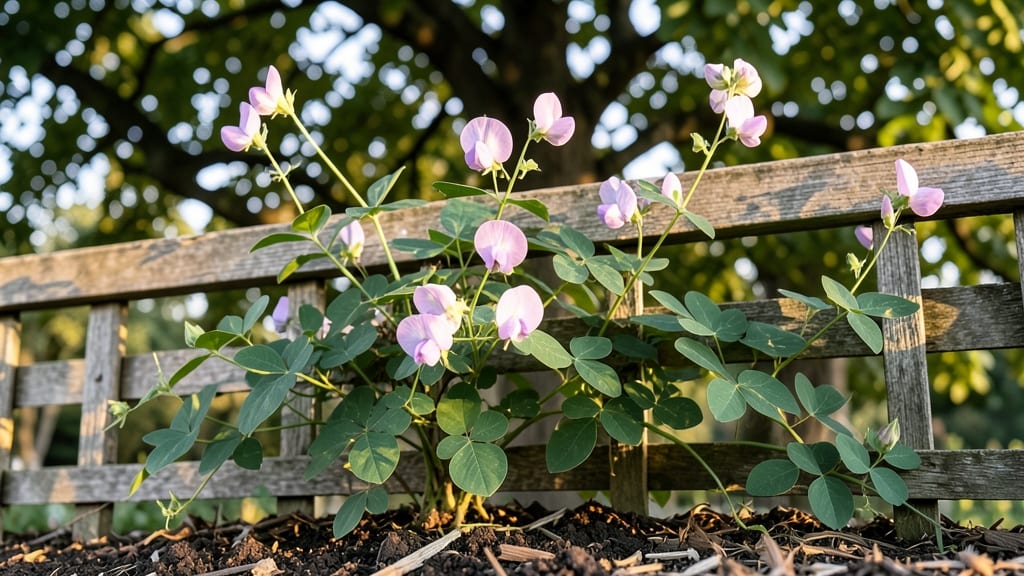
Sweet pea shrubs like the Petite Butterfly bring cottage gardens to life with their delicate, fragrant blooms that dance in soft pastels. 🌸 I fell for this variety after seeing how it transformed a rambling trellis into a cloud of buttercup yellow and lavender-pink flowers—each one smelling like a secret garden.
The secret isn’t just the scent; it’s how effortlessly it climbs, weaving through structures while leaving room for other plants to shine below.
This shrub thrives in partial shade, making it perfect for spots where sun-loving plants struggle. Plant it near roses, lavender, or catmint for a fragrant border that hums with pollinators all season.
The compact growth habit (3–4 feet tall) means it fits neatly into mixed beds or alongside patios, never overpowering its neighbors. Just give it well-draining soil and regular watering, and it’ll reward you with blooms from late spring to early fall.
Imagine a summer afternoon where the air thickens with sweet pea perfume—this is the shrub that delivers. The blooms make stunning cut flowers too, adding a whimsical touch to bouquets or floating in cocktails (yes, really!).
For maximum impact, pair it with clematis for height contrast or salvia for texture, creating layers that feel both wild and intentional.
Seasonal care is minimal: prune lightly after flowering to encourage bushier growth, and mulch to protect roots in winter. In colder zones, a bit of frost cloth goes a long way. The real magic? How this shrub turns overlooked corners into fragrant, living tapestries—no fancy design skills required.
📚 In This Guide
- What you need
- Instructions
- Tips and common mistakes
- Wrapping up and next steps
What you need
- ● 1 cup fresh or dried sweet pea flowers (ensure they’re pesticide-free and organic if possible). Pro tip: 💡 Use petals only—remove stamens to avoid bitterness!
- ● 1 cup granulated sugar (white or raw cane sugar works best)
- ● 1 cup filtered water (or distilled water for clarity)
- ○ 1/4 cup high-proof vodka or brandy (optional but recommended for preservation and depth of flavor)
- ● 1/2 tsp citric acid (preserves freshness and adds a bright tang)
- ● A clean glass jar with a lid (1-quart or larger, like a mason jar)
- ● A fine-mesh strainer or cheesecloth (for filtering)
- ● A small saucepan (for heating sugar and water)
- ● A wooden spoon or silicone spatula (for stirring)
- ○ A funne (optional, for easy pouring)
- ● Small airtight bottles (for storage, like 4-8 oz amber glass bottles)
- ● A food processor or mortar and pestle (to finely chop flowers if using fresh petals)
- ● A scale (for precise measurements, especially if scaling up)
- ● Vanilla bean or cinnamon stick (add 1/2 tsp vanilla extract or a pinch of cinnamon for complexity)
- ● Edible butterfly-shaped molds (for fun dessert presentations!)
Step-by-step guide to growing sweet pea shrub 'Petite Butterfly'
Here's how to cultivate this fragrant climber for lush blooms and edible floral syrup.
🌱 Step 1: Select the Perfect Planting Location
The 'Petite Butterfly' sweet pea thrives in partial shade to full sun (at least 4-6 hours of morning sunlight), making it ideal for climbers near patios or trellises. I always plant mine near the kitchen garden so I can easily harvest blooms for syrup. Choose a spot with well-draining soil—soggy roots will cause the plant to wilt within days.
If your soil is heavy clay, mix in 2-3 inches of compost before planting to improve aeration. The roots of this variety are particularly sensitive to waterlogging, so raise beds slightly if your yard retains moisture. I test drainage by digging a 6-inch deep hole, filling it with water, and watching how quickly it drains—if it takes longer than 30 minutes, amend the soil.
🪴 Step 2: Plant Seeds or Transplants at the Right Time
For best results, sow seeds 4-6 weeks before your last frost date in indoor seed trays or directly outside after soil warms to 60°F. I prefer starting seeds indoors because 'Petite Butterfly' germinates best in 70-75°F soil—a heat mat speeds this process. Plant seeds ½ inch deep in moist, sterile seed-starting mix, spacing them 1 inch apart in rows.
If using transplants, space them 12-18 inches apart in the garden, allowing room for their 2-3 foot climbing habit. Bury the stem slightly deeper than it was in the nursery pot—this encourages stronger root development. Water deeply after planting to settle the soil and remove the seed tray or pot gently to avoid disturbing roots.
☀️ Step 3: Provide Support and Consistent Care
Sweet peas need strong vertical support—install a 5-6 foot trellis or obelisk near your planting site before the vines begin to grow. I use a sturdy metal trellis because it lasts years and won’t rot like wooden stakes. Train the main stem along the trellis, tying it loosely with soft garden twine every 12 inches to prevent snapping in wind.
Water deeply once a week, aiming for 1 inch of water per week—more in extreme heat. The key is consistent moisture; let the top 2 inches of soil dry out between waterings to prevent fungal diseases. Fertilize lightly with a balanced 10-10-10 formula at planting and again when flowers appear, but avoid heavy feeding—this variety blooms best with moderate nutrients.
✂️ Step 4: Prune for Continuous Blooms and Harvest
Deadhead spent blooms weekly to encourage more flowers—this is critical for 'Petite Butterfly', which produces fragrant, butterfly-shaped blooms all season. Pinch back the tips of young shoots to promote bushier growth, and remove any leggy stems that grow beyond the trellis. I also trim back overly vigorous side shoots to maintain an open, airy structure that prevents disease.
Harvest blooms in the early morning when their scent is strongest. Strip the flowers from the stem and place them in a paper bag to dry for syrup-making. The plant will reward you with continuous blooms from late spring until frost if you keep up with deadheading. Avoid harvesting more than ⅓ of the plant at once—this ensures it keeps producing new flowers.
🌿 Step 5: Overwinter and Prepare for Next Season
Sweet peas are annuals, so they won’t return after the first year—but you can save seeds for next season. Let a few pods mature on the plant, then harvest them when they turn brown and papery. Dry the pods completely before removing the seeds, which you can store in a cool, dark place for up to 2 years. I label the packets with the variety and date to keep track.
In fall, cut back the plant to the ground and amend the soil with 2 inches of compost for next year’s planting. If you’re growing in containers, refresh the potting mix entirely—sweet peas deplete nutrients quickly. Mark the spot with a stake or flag so you remember where to plant next season’s seeds.
Tips & tricks for cultivating sweet pea shrub 'Petite Butterfly'
Between us, these small details make all the difference when growing this delicate yet hardy climber.
Soil Preparation: The 2-3 inches of compost recommendation isn't just about nutrients—it's about creating the perfect air-to-water ratio. I've found that adding a handful of perlite to the mix when amending heavy clay soil prevents compaction. This variety's roots are particularly sensitive to waterlogging, so if your yard naturally retains moisture, consider building a raised bed. The 6-inch deep hole test is your best friend here—if water drains slower than 30 minutes, you absolutely need to amend.
Germination Strategy: That 70-75°F soil temperature range is non-negotiable for 'Petite Butterfly'. I've ruined multiple batches by planting too early when soil temps were only in the 60s. Use a soil thermometer to confirm—it's worth the investment. For indoor starting, I place my seed trays on a heating mat set to 75°F and cover them with plastic wrap to maintain humidity. The seeds typically germinate within 7-10 days under these conditions, which is much faster than the 2-3 weeks I used to get with inconsistent soil temps.
Pruning Technique: When deadheading weekly, I've found that using clean, sharp pruners dipped in rubbing alcohol between cuts prevents disease transmission. The key is to cut just above the first set of leaves where the bloom stem meets the main vine—this encourages new side shoots to form. I also make a point to harvest blooms in the early morning when their essential oil content is at its peak, which translates to more intense flavor in your syrup. Never harvest more than ⅓ of the plant at once, or you'll stunt its flowering.
Support System: That 5-6 foot trellis recommendation is perfect, but here's what I've learned about installation: bury the base at least 6 inches deep and pound in stakes at 12-inch intervals along the sides for extra stability. The metal trellis will last years, but if you go with wood, treat it with a copper-based fungicide to prevent rot. When training vines, use soft garden twine loosely—tight knots can damage the tender stems. I also find that adding a second trellis 3 feet away creates a natural windbreak that prevents the delicate vines from snapping in storms.
Pro Tips for Sweet Pea Shrub Petite Butterfly
- Between us, these small details make all the difference when growing this delicate yet hardy climber.
- Soil Preparation: The 2-3 inches of compost recommendation isn't just about nutrients—it's about creating the perfect air-to-water ratio.
- Germination Strategy: That 70-75°F soil temperature range is non-negotiable for 'Petite Butterfly'.
Frequently asked questions
about the Sweet Pea Shrub Petite Butterfly—your go-to fragrant syrup for cocktails and desserts! Here’s what you need to know:What is the shelf life of this shrub syrup?
The Sweet Pea Shrub Petite Butterfly typically lasts 6–12 months when stored properly in an airtight container in the fridge. Check for mold or off smells—if it’s still clear and fragrant, it’s good to go! For longer storage, freeze in ice cube trays.
Can I use this shrub in both sweet and savory dishes?
While it’s best for cocktails, desserts (like sorbets or cheesecakes), and fruit salads, a tiny splash can brighten savory dishes like grilled meats or marinades. Just remember: sweet pea’s floral notes may clash with heavy spices—use sparingly!
How do I troubleshoot a cloudy or separated shrub?
Cloudiness often means yeast/bacteria growth (discard it!). If it’s just lightly cloudy from sediment, strain it through a fine-mesh sieve. Separation? Gently stir or shake the bottle—it’s normal for natural syrups. If it won’t recombine, it’s likely spoiled.
How long does it take to infuse the shrubs?
For the Petite Butterfly blend, 2–4 weeks of infusion yields the best flavor. Store it in a cool, dark place (like a pantry) and shake gently every few days. Patience pays off—rushed infusion can taste harsh or underdeveloped!
Are there alternatives if I can’t find sweet pea flowers?
Yes! Swap sweet pea flowers for lavender, rose petals, or violet flowers (all 1:1 by weight). For a butterfly-themed twist, try butterfly pea flowers (they change color with pH!) or hibiscus. Adjust sugar ratios if using drier petals.
Wrapping up and next steps
The Sweet Pea Shrub Petite Butterfly is more than just a fragrant floral syrup—it’s a versatile, easy-to-make addition that elevates cocktails, desserts, and even savory dishes with a delicate, floral sweetness.
Whether you’re a mixologist, baker, or home cook, this shrub opens doors to creativity while keeping ingredients simple and natural. 🌸
Ready to experiment? Start by crafting a small batch, then let your taste buds guide you—infuse it into tonics, drizzle over cheesecakes, or even glaze roasted veggies. The possibilities are endless, so grab your ingredients and get mixing!