
Shrubs
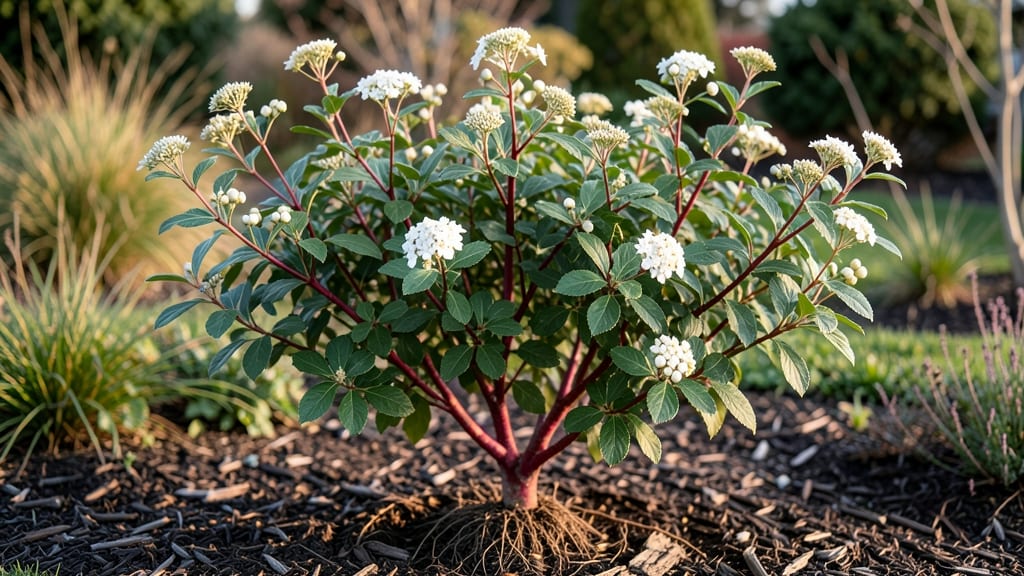
That first flush of vibrant red on your dogwood shrubs signals spring’s arrival—if you prune at the right time. ✂️ I’ve learned the hard way that late-winter pruning (when the plant is still dormant but buds are swelling) is the secret to those showstopping blooms and lush foliage we all crave.
Skip this step, and you’ll end up with leggy branches and half the impact.
The best part? This isn’t some complicated horticultural puzzle—just a few sharp cuts with the right tools and timing. Dogwoods like moisture-retentive soil and partial shade, but they’re tough enough to handle a little neglect.
What you’ll get in return is 3-4 weeks of dramatic red blooms followed by berries that birds adore, all while keeping the shrub compact and healthy.
Start with clean cuts just above outward-facing buds, and avoid over-pruning—you don’t want to strip the plant of its energy before spring kicks in. The reward? A shrub that looks like it belongs in a botanical garden, not just your backyard. Here’s how to make it happen without the guesswork.
Works for both Cornus sericea (like 'Kelseyi') and Cornus sanguinea (like 'Midwinter Fire'), so whether you’re dealing with swampy soil or a dry slope, these tips will keep your dogwoods thriving. Let’s get those shears ready!
📚 In This Guide
- What you need
- Instructions
- Tips and common mistakes
- Wrapping up and next steps
What you need
- ● Pruning shears: Bypass pruners (sharp, clean, and disinfected with rubbing alcohol). Specs: 6–8" blades, ergonomic grip for comfort.
- ● Loppers: For thicker branches (½"–1" diameter). Specs: Bypass-style, 18–24" reach.
- ● Gloves: Heavy-duty gardening gloves (cut-resistant, waterproof).
- ● Disinfectant: 70% isopropyl alcohol or bleach solution (1 part bleach to 9 parts water).
- ● Trash bags or bucket: For pruned branches (1–2 large bags or a 5-gallon bucket).
- ● Hose or water spray bottle: To clean tools between cuts and rinse off sap.
- ● Notebook & pen: To sketch your shrub’s shape or note pruning decisions.
- ● Hand pruners: For delicate trimming (smaller branches). Specs: 4–5" blades.
- ● Pruning saw: For stubborn, thick branches (>1" diameter). Specs: Curved blade, 10–12".
- ● Tree wound dressing: Pruning sealant (controversial but useful for large cuts >2" diameter).
- ● Stakes & twine: To temporarily support weak branches during healing.
- ● Mulch: Shredded bark or compost (1–2 inches) to protect roots post-pruning.
How to prune red dogwood shrubs for stunning spring color
Late winter is the perfect time to shape your red dogwood and set up a season of bold blooms.
✂️ Step 1: Time Your Pruning Precisely
Wait until after your last hard frost but before new growth begins—typically late February to early March in most climates. You'll know it's time when the ground thaws but before buds swell. Pruning too early risks frost damage to fresh cuts, while waiting too long encourages new growth that can't survive late frosts.
Check your local frost dates if unsure. I always mark my calendar with the first expected warm spell after the last frost warning. Dogwoods bloom on old wood, so pruning now won't reduce next year's flowers—it actually improves them by removing dead growth and increasing air circulation.
🌿 Step 2: Assess and Remove Dead or Damaged Branches
Start by examining your shrub from all sides. Use sharp, clean pruning shears to cut out any dead, diseased, or crossing branches at the base. Look for branches that are completely brown inside when you cut them open—these won't regenerate. Remove any branches that rub against others, as this creates wounds that invite pests.
I like to work in sections, moving clockwise around the shrub. This ensures I don't miss any hidden damage. For larger branches over ½ inch thick, use loppers and make clean cuts just outside the branch collar. Never leave stubs—they invite rot and disease. You'll notice the shrub's natural shape emerge as you remove the dead wood.
✂️ Step 3: Thin Out Overcrowded Growth
Next, focus on thinning the interior to improve airflow and sunlight penetration. Remove about 20-30% of the oldest, thickest branches from the center, cutting them back to their origin point. This opens up the shrub and prevents fungal diseases that thrive in dense, shaded interiors. Aim to create a vase-like shape with an open center.
Watch for branches growing inward—they'll create a tangled mess. I always step back every few cuts to visualize the overall shape. You want to maintain a balanced silhouette while encouraging new growth from the base. Avoid cutting more than one-third of the total branches in a single season to prevent stress.
☀️ Step 4: Shape the Outer Canopy
Now focus on the outer edges. Lightly trim any branches that spoil the natural shape or grow too long. Cut just above an outward-facing bud to encourage growth in the right direction. For a more rounded look, make cuts at a slight angle. Remember, dogwoods respond well to gentle shaping—avoid heavy pruning that could reduce next year's blooms.
Pay special attention to branches that grow downward or rub against the ground. These should be removed entirely. You'll see the shrub's natural form more clearly now that you've removed the dead wood and thinned the interior. Step back frequently to check your progress—what looks good from close up might need adjustment from a few feet away.
🪴 Step 5: Clean Up and Protect Your Shrub
After pruning, rake up all the debris and dispose of it properly—never leave clippings on the ground, as they can harbor diseases. I always sterilize my pruning tools with rubbing alcohol between cuts to prevent spreading any potential pathogens. For larger shrubs, consider applying a 2-3 inch layer of mulch around the base to protect roots from temperature fluctuations.
Water deeply after pruning to help the shrub recover. You'll notice fresh, green growth appearing within 4-6 weeks as the weather warms. This is your signal that the pruning was successful. Keep an eye out for any signs of stress like yellowing leaves—this could indicate over-pruning or disease, and you may need to adjust your approach next year.
Tips & tricks for perfect dogwood shrub red pruning
Took me years to perfect these tricks—here's how to avoid the most common pruning pitfalls and get that showstopping spring display.
Timing is Everything: That late February to early March window is critical because dogwoods bloom on old wood. If you prune too early, fresh cuts can get frost damage. I've learned to check for swollen buds—when they're still tight, it's safe. If they've started swelling, wait a few more days. The goal is to catch the shrub between dormancy and new growth.
Tool Technique: Never use dull shears—they tear wood instead of making clean cuts. I keep a small bottle of rubbing alcohol handy to wipe down tools between cuts. For branches over ½ inch thick, use loppers and make your cut just outside the branch collar (that swollen area where the branch meets the trunk). This prevents unsightly stubs that can rot over time.
Visual Pruning Guide: Step back every 5-10 minutes to check your progress. What looks good up close often needs adjustment from a few feet away. I imagine the shrub as a vase shape—open in the center, gradually narrowing toward the top. For the outer canopy, look for branches that grow downward or rub against others—these should be removed completely to maintain that elegant, rounded silhouette.
Recovery Care: After pruning, that 2-3 inch layer of mulch is your best friend. It protects roots from temperature swings and retains moisture. I water deeply right after pruning, then monitor for fresh green growth within 4-6 weeks. If you see yellowing leaves instead, you might have over-pruned—next time, aim to remove no more than one-third of the branches in a single season.
Pro Tips for Dogwood Shrub Red
- Took me years to perfect these tricks—here's how to avoid the most common pruning pitfalls and get that showstopping spring display.
- Timing is Everything: That late February to early March window is critical because dogwoods bloom on old wood.
- Tool Technique: Never use dull shears—they tear wood instead of making clean cuts.
Frequently asked questions
When is the best time to prune a red dogwood shrub for spring blooms?
The ideal window is late winter to early spring—just after the worst frost has passed but before new growth begins. For most regions, this falls between February and March. Pruning too early risks damaging buds, while waiting too long may reduce next year’s flowers. Pro tip: Check your local frost dates to time it perfectly!
Can I prune a red dogwood shrub in summer or fall?
While you can prune dogwoods in summer or fall, it’s not ideal for encouraging spring blooms. Summer pruning can stimulate leafy growth over flowers, and fall pruning may leave cuts vulnerable to disease or winter damage. Stick to late winter for the best results—your shrub will thank you with bold red blooms next season!
How much can I trim back my red dogwood shrub without harming it?
You can safely remove up to one-third of the shrub’s height, but avoid cutting into old wood (the thicker, woody stems). Focus on dead, diseased, or crossing branches first, then lightly shape the canopy. For young shrubs, minimal pruning (just removing dead wood) is best—let them establish strong structure first.
What should I do if my red dogwood isn’t blooming after pruning?
If your dogwood skips blooms, check these common culprits: over-pruning (cutting too aggressively), poor timing (pruning too late), or nutrient deficiencies (try a balanced fertilizer in early spring). Also, ensure it gets full sun to partial shade—dogwoods thrive with at least 4–6 hours of sunlight daily. If issues persist, inspect for pests or fungal diseases.
Are there alternatives to pruning for encouraging more red blooms?
Yes! Beyond pruning, boost blooms with these tricks: Feed in early spring (use a high-phosphorus fertilizer), water deeply during dry spells, and mulch around the base to retain moisture. If your shrub is mature, consider renewal pruning: remove 10–20% of the oldest stems at ground level to rejuvenate growth. Just avoid heavy pruning every year—dogwoods reward patience!
Wrapping up and next steps
The dogwood shrub red is a stunning addition to any garden, and with the right late-winter pruning, you’ll set the stage for showstopping spring blooms! 🌸 Remember to use sharp tools, clean cuts, and a patient hand—your efforts will pay off in vibrant color and healthier growth.
Now that you’re armed with the know-how, grab those shears and get pruning!
Still feeling unsure? Bookmark this guide or snap a photo of your shrub before starting—it’ll help you track progress. Happy gardening, and may your red dogwood dazzle your neighborhood this spring! 🌿