
Shrubs
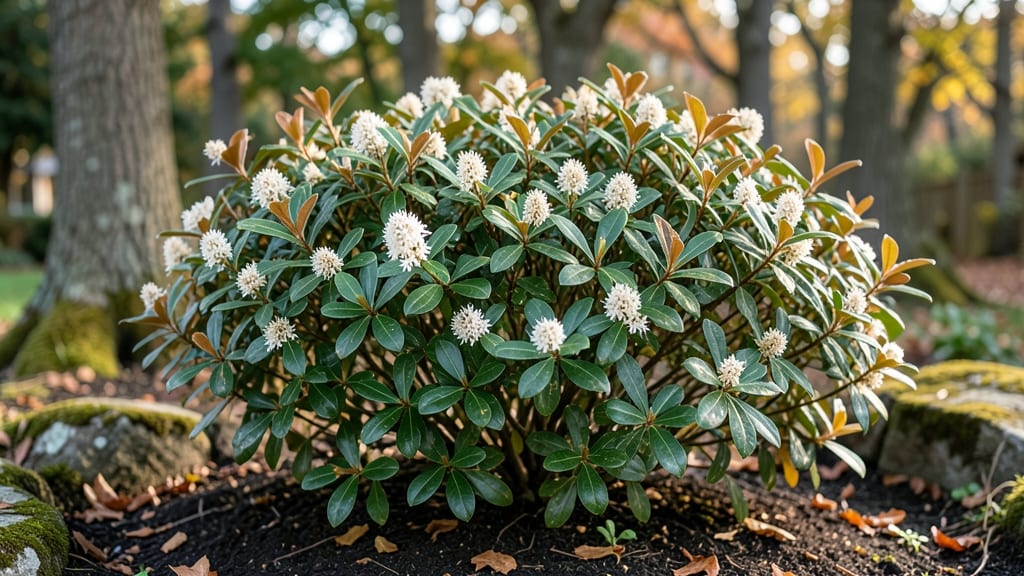
Growing a spotted laurel shrub means adding year-round structure and that signature leathery fragrance to your garden. 🌿 I first fell for this shrub after seeing how it thrived in my shady corner—its glossy leaves and red berries add color even in winter.
The best part? It handles neglect like a pro, making it perfect for busy gardeners. These shrubs love partial to full shade, though they tolerate morning sun too. Well-draining, slightly acidic soil keeps them happy, and once established, they’re drought-tolerant.
Watering deeply once a week (more in extreme heat) ensures those signature variegated leaves stay vibrant. Pruning in late winter or early spring keeps them compact and encourages bushier growth. A light trim after flowering also prevents legginess.
The berries attract birds, and the dense foliage makes it a natural privacy screen—ideal for foundations or mixed borders. With minimal care, your spotted laurel will grow 6-12 feet tall over time, offering year-round interest. Here’s how to get started right!
📚 In This Guide
- What you need
- Instructions
- Tips and common mistakes
- Wrapping up and next steps
What you need
- ● Spotted Laurel Plant: 1 nursery-grown shrub (3–5 gallons, 18–24" tall) or
- ● Seeds (if propagating from scratch—requires patience!)
- ● Hardwood cuttings (4–6", ½" diameter) for propagation
- ● Soil: Well-draining acidic soil (pH 5.0–6.5)
- ● Peat moss or compost (1 part) mixed with
- ● Garden soil (2 parts) or loam
- ● Fertilizer: Slow-release acid-loving plant fertilizer (e.g., 8-3-9 or 10-10-10)
- ● Organic options: Pine bark fines or cottonseed meal
- ● Garden trowel or shovel (for digging)
- ● Pruning shears (sterilized with rubbing alcohol)
- ● Gloves (to protect from thorns and soil)
- ● Watering can or hose with soaker nozzle
- ● Mulch (2–3" layer of pine bark or shredded leaves)
- ○ Optional but helpful: Rooting hormone (for cuttings)
- ● Plant tags (to track varieties)
- ● Drip irrigation system (for consistent moisture)
- ● Sunlight: Partial shade to full shade (2–6 hours of sun daily)
- ● Space: 3–5 feet wide (mature size) and 6–10 feet tall
- ● Climate: USDA Zones 6–10 (hardy to -10°F)
- ● Patience: Slow grower (takes 3–5 years for full foliage)
Step-by-Step guide to planting and maintaining a spotted laurel shrub
Here's how to establish a fragrant, disease-resistant foundation for your landscape.
🌱 Step 1: Select the Perfect Planting Location
Choose a site with partial shade to full sun—spotted laurel thrives where it gets 4-6 hours of morning sunlight but escapes harsh afternoon rays. The shrub's glossy leaves burn easily in intense heat, so avoid south-facing walls in hot climates. I always test the spot by observing how nearby plants grow; if they show stress by midday, the laurel will too.
Ensure the soil drains well—the roots rot quickly in soggy conditions. Dig a hole twice as wide as the root ball but no deeper. Loosen the sides of the hole with a shovel to encourage root spread. This prevents transplant shock and gives the shrub room to establish its extensive root system.
🪴 Step 2: Prepare the Soil and Plant Correctly
Amend the native soil with 2-3 inches of compost mixed into the bottom of the hole. Spotted laurel prefers slightly acidic to neutral soil (pH 5.0-7.0). If your soil tests higher, add peat moss or sulfur to adjust. Place the shrub so the top of the root ball sits 1 inch above ground level—this prevents water from pooling around the stem and causing rot.
Backfill with native soil mixed with the remaining compost, pressing gently to remove air pockets. Water deeply to settle the soil around the roots. You'll see the soil surface settle slightly—this confirms good root-to-soil contact. Mulch with 2-3 inches of organic mulch (like pine bark or shredded leaves), keeping it 6 inches away from the stem to prevent moisture buildup.
☀️ Step 3: Water and Fertilize for Establishment
Water 2-3 times per week for the first 4-6 weeks, keeping the soil consistently moist but not soggy. Check moisture by sticking your finger 1-2 inches into the soil—if it feels dry, water again. Overwatering is the fastest way to kill a spotted laurel; yellowing leaves usually mean the roots are suffocating.
Apply a balanced, slow-release fertilizer (10-10-10) at planting time, then again in early spring. Avoid high-nitrogen fertilizers—they promote leafy growth at the expense of the shrub's fragrant foliage. You'll notice new growth within 3-4 weeks if the plant is thriving; if not, check for signs of stress like wilting or leaf drop.
✂️ Step 4: Prune for Shape and Health
Prune in late winter or early spring before new growth begins. Remove any dead, diseased, or crossing branches first—cut back to the nearest healthy bud. Shape the shrub by trimming 1/3 of the new growth each year to encourage bushiness. I always use clean, sharp pruners to make cuts at a 45-degree angle, just above a leaf node.
Watch for signs of over-pruning: if the shrub produces fewer leaves or flowers, you've cut too aggressively. Spotted laurel responds well to light pruning—it's more about maintenance than dramatic reshaping. After pruning, apply a copper fungicide to prevent infections from open wounds.
🌿 Step 5: Monitor for Pests and Diseases
Inspect the shrub weekly during growing season for spider mites, scale, or whitefly—common pests that thrive on stressed laurel. Wipe leaves with a damp cloth if you spot webbing or sticky residue (honeydew). Spotted laurel's natural oils deter most pests, but a strong spray of neem oil keeps them at bay without harming the plant.
Prevent fungal issues by avoiding overhead watering and ensuring good air circulation. If you notice brown spots on leaves, remove affected foliage immediately and improve drainage. The shrub's disease resistance shines here—once established, it rarely succumbs to common problems. Regular checks keep it healthy and fragrant for decades.
Tips & tricks for perfect spotted laurel planting and care
These key insights will help you create the ideal growing conditions for a thriving, fragrant spotted laurel.
Sunlight Strategy: The 4-6 hours of morning sunlight mentioned in Step 1 is crucial—this timing prevents leaf scorch while providing enough light for photosynthesis. I’ve found that placing the shrub near a north-facing wall in hot climates creates perfect shade conditions. If your location gets intense afternoon sun, consider adding a sheer fabric shade cloth for the first few weeks after planting. This gradual acclimation helps the glossy leaves adjust without sudden stress.
Soil Preparation: When amending the soil with 2-3 inches of compost in Step 2, I recommend mixing in a handful of mycorrhizal fungi powder along with the compost. This beneficial soil organism enhances root development, which is especially helpful for spotted laurel’s extensive root system. For clay-heavy soils, add perlite to improve drainage—this prevents the root rot that’s the shrub’s biggest enemy. Test your soil pH before planting; if it’s above 7.0, the peat moss or sulfur adjustment will be even more critical for maintaining that ideal 5.0-7.0 range.
Watering Wisdom: The 2-3 times per week watering schedule in Step 3 works best with a soaker hose or drip irrigation system. This delivers water directly to the root zone without wetting the foliage, which helps prevent fungal diseases. I’ve seen many gardeners overwater because they check moisture at the surface—remember to stick your finger 1-2 inches deep. If you notice the soil staying damp longer than expected, that’s your signal to reduce watering frequency. The goal is consistent moisture, not soggy conditions.
Pruning Precision: When shaping the shrub by trimming 1/3 of new growth in Step 4, I recommend using a pair of bypass pruners for clean cuts. The 45-degree angle above a leaf node is important—it encourages water to run off the cut rather than pool. For larger branches, make the initial cut just outside the branch collar, then follow with a second cut to clean up the stub. After pruning, I always apply a thin layer of horticultural sealant to the wounds, which helps prevent disease entry points while the shrub recovers.
Pro Tips for Spotted Laurel Shrub
- These key insights will help you create the ideal growing conditions for a thriving, fragrant spotted laurel.
- Sunlight Strategy: The 4-6 hours of morning sunlight mentioned in Step 1 is crucial—this timing prevents leaf scorch while providing enough light for photosynthesis.
- Soil Preparation: When amending the soil with 2-3 inches of compost in Step 2, I recommend mixing in a handful of mycorrhizal fungi powder along with the compost.
Frequently asked questions
Got questions about keeping your spotted laurel shrub thriving? You’re not alone! Here are answers to the most common queries—from care tips to troubleshooting—so you can enjoy its glossy foliage and fragrant blooms with confidence.
How often should I water my spotted laurel shrub?
Water deeply once or twice a week, depending on your climate. Aim for 1–1.5 inches of water per week, either from rainfall or irrigation. Mulch around the base to retain moisture and reduce evaporation. Overwatering can cause root rot, so always check soil moisture—stick your finger 2 inches deep; if it’s dry, it’s time to water!
When is the best time to prune my spotted laurel?
Prune late winter or early spring (before new growth starts) to shape the shrub and encourage bushier growth. You can also do a light trim after flowering to maintain its form. Avoid heavy pruning in fall—it can stress the plant before winter. Use clean, sharp pruners to prevent disease, and remove any dead or diseased branches immediately.
What pests or diseases should I watch for?
The spotted laurel is disease-resistant, but it can still face aphids, scale, or spider mites. Look for sticky residue, yellowing leaves, or tiny webs as red flags. Treat mild infestations with neem oil or insecticidal soap. For fungal issues (rare), ensure good airflow and avoid overhead watering. Most problems resolve quickly with proper care!
Can spotted laurel grow in full sun or partial shade?
This shrub thrives in partial shade to full sun, but morning sun with afternoon shade is ideal in hot climates to prevent leaf scorch. In cooler regions, it can handle full sun all day. If leaves turn yellow or crispy, it’s a sign of too much sun—adjust placement or provide afternoon shade with a light fabric shade cloth if needed.
Are there drought-tolerant alternatives if spotted laurel is too high-maintenance?
If you’re looking for low-maintenance, fragrant shrubs, consider dwarf boxwood, abelia, or Texas sage. These also offer evergreen or semi-evergreen foliage and handle drought better. However, spotted laurel’s glossy leaves and disease resistance make it a top pick for its elegant, low-fuss appeal—worth the occasional watering!
Pro Tip: Fertilizing
Feed your spotted laurel in early spring with a balanced, slow-release fertilizer (10-10-10). Over-fertilizing can harm it, so follow package instructions closely. If growth slows, a light application of compost can boost nutrients naturally.
Wrapping up and next steps
The spotted laurel shrub is a fragrant, low-maintenance gem that brings beauty and resilience to any garden. With its disease-resistant nature and stunning foliage, it’s perfect for both beginners and seasoned gardeners alike. 🌿
Ready to add this versatile shrub to your landscape? Start by choosing the right variety for your climate, then gather your supplies and follow the planting tips shared above. Before you know it, you’ll be enjoying a thriving, aromatic hedge that’s as tough as it is beautiful!