
Shrubs
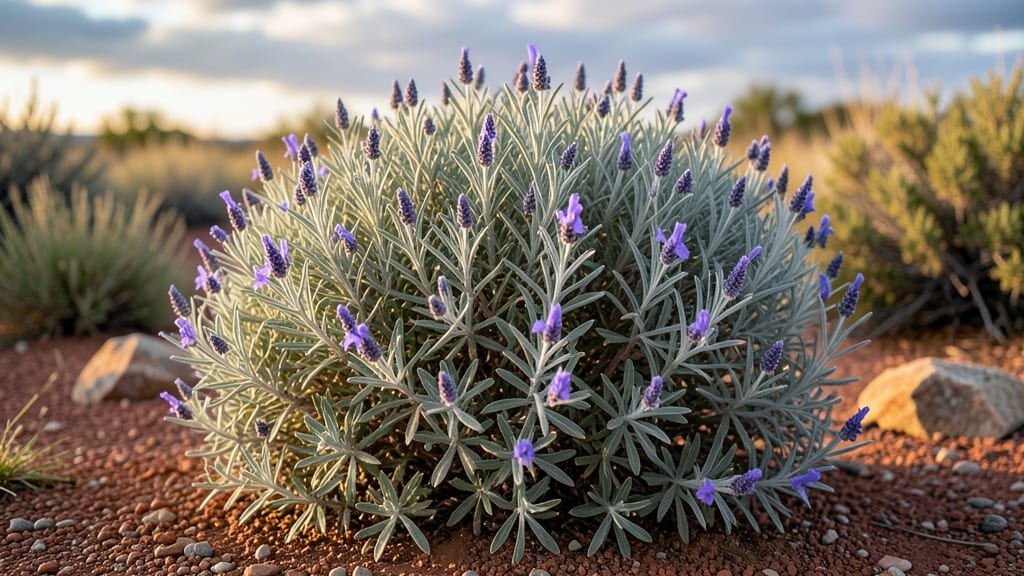
Texas sage shrub transforms your yard into a fragrant, evergreen privacy screen that thrives where others fail. 🌿 I planted mine last spring, and within three years, it grew into a lush, drought-proof hedge that smells like a desert breeze after rain.
The key lies in mimicking its natural habitat—dry, well-draining soil and full sun—while keeping maintenance simple. This shrub loves the Texas heat and handles drought like a pro, making it perfect for low-water landscapes.
Start with full sun exposure (at least 6 hours daily) and sandy, rocky soil to replicate its native conditions. Overwatering is the only real mistake you can make—once established, it barely needs irrigation.
By year three, you’ll have a 6-foot-tall hedge with silvery-green foliage and bursts of lavender blooms after rain. The fragrance alone makes it worth growing, but the year-round structure and wildlife benefits seal the deal. Works in containers too—just ensure proper drainage. Here’s how to get started without the guesswork.
📚 In This Guide
- What you need
- Instructions
- Tips and common mistakes
- Wrapping up and next steps
What you need
- ● Texas Sage plants: 10–20 nursery-grown plants (spaced 3–5 feet apart for full coverage)
- ● OR Seeds (if starting from scratch—germination can be slow!)
- ● Well-draining soil: Native Texas soil mix (amend with sand or gravel if clay-heavy)
- ○ Optional: Compost (1 part to 3 parts soil) for nutrient boost
- ● Sunlight: Full sun (6+ hours daily)—no compromises!
- ● Water: Drip irrigation or soaker hose (avoid overhead watering)
- ● Garden tools: Trowel or shovel
- ● Pruners (sterilized)
- ● Measuring tape (for spacing)
- ○ Optional (but helpful!): Mulch (1–2 inches of gravel or pine bark to retain moisture)
- ● Fertilizer (low-nitrogen, balanced 10-10-10 in early spring)
- ● Epsom salt (1 tbsp per plant annually for magnesium)
- ● Prerequisites: USDA Hardiness Zones 7–11 (Texas Sage thrives in heat!)
- ● Drought-tolerant site (once established, it’s low-maintenance!)
Step-by-step instructions for establishing a Texas sage privacy screen
This evergreen powerhouse thrives in Texas heat—here’s how to plant and nurture it into a fragrant, dense screen.
🌱 Step 1: Choose and Prepare Planting Sites
Texas sage (Leucophyllum frutescens) loves full sun (at least 6-8 hours daily) and well-draining soil. Mark 4 planting spots spaced 4-6 feet apart—this spacing gives mature shrubs room to fill out without overcrowding. I dig each hole twice as wide as the root ball but only as deep as the container’s base. This prevents burying the stem, which invites rot.
Amend heavy clay soil with 2-3 inches of coarse sand or gravel mixed into the bottom of each hole. Texas sage hates soggy roots, so improving drainage here saves future headaches. Tap the soil lightly after filling to remove air pockets, then water deeply to settle everything before planting.
🪴 Step 2: Plant and Stake for Stability
Remove each shrub from its container and loosen the roots if they’re circling. Place the plant in the hole so the top of the root ball sits level with the surrounding soil—burying too deep suffocates the stem. Backfill with native soil, pressing gently to eliminate gaps. Water immediately to help soil settle around roots.
Stake each shrub with 2-3 foot wooden stakes tied loosely to the main stem. Texas sage has a deep taproot, so staking prevents wind rock while the roots establish. Use soft fabric ties (not wire) to avoid girdling the stem as it grows. Mulch with 2-3 inches of gravel or bark to retain moisture and deter weeds—just keep it 6 inches away from the stem to prevent rot.
☀️ Step 3: Water Deeply and Monitor Growth
Water each shrub deeply once weekly for the first 6-8 weeks, soaking the root zone until water drains through. You’ll know it’s enough when the soil feels damp 6 inches down. After that, reduce to every 10-14 days unless your area experiences extreme heat. Overwatering is the fastest way to kill Texas sage—it’s drought-tolerant once established.
Fertilize lightly in spring and fall with a balanced 10-10-10 formula (1 tablespoon per plant). Avoid high-nitrogen fertilizers—they promote leafy growth at the expense of that signature silvery foliage. Prune only to shape in late winter, cutting back leggy growth by one-third to encourage bushier growth.
✂️ Step 4: Prune for Density and Bloom
Prune annually in late winter (February) to maintain shape and encourage dense growth. Remove dead or crossing branches first, then trim back one-third of the oldest wood to stimulate new growth. Texas sage blooms on old wood, so avoid heavy pruning after spring—you’ll sacrifice those stunning purple flowers.
Watch for powdery mildew in humid spells—it shows as white fuzzy patches on leaves. Improve airflow by thinning crowded branches, and spray with neem oil if needed. In year 3, your screen should reach 6-8 feet tall with a 5-foot spread, creating a fragrant, evergreen barrier that thrives in Texas’s brutal summers.
Tips & tricks for perfect Texas sage shrub establishment
Between us, establishing a Texas sage privacy screen requires patience and precision—but these tips will help you avoid the pitfalls I learned the hard way after losing three plants to overwatering.
Site Selection Matters: Texas sage demands full sun exposure (that's your 6-8 hours daily minimum), so avoid planting near tall trees or structures that cast shade. I once planted mine under a pecan tree's dappled shade—it survived, but never reached its full potential. Test your site for 6+ hours of direct sunlight before digging. If your yard lacks full sun, consider container planting where you can move them to sunnier spots seasonally.
The Drainage Difference: The 2-3 inches of coarse sand or gravel you mix into heavy clay soil isn't just about drainage—it's about creating an oxygen-rich root zone. I've seen Texas sage roots rot when planted in unamended clay because water pools around them. Pro tip: If your soil feels compacted when dry, you definitely need this amendment. For existing plants with drainage issues, dig around the root ball and add a sand/gravel mix to encourage better water flow.
Staking Strategy: Those 2-3 foot wooden stakes aren't just for show—they're critical for the first growing season. Texas sage develops a deep taproot, but until it establishes, wind can uproot young plants. I use bamboo stakes because they're lightweight yet sturdy. The key is to tie them loosely—tight ties can girdle the stem as the plant grows. Check ties monthly and adjust as the stem thickens.
Watering Wisdom: The 6-8 week deep-watering phase is non-negotiable, but timing matters just as much as quantity. Water in the early morning to allow foliage to dry before evening—this prevents fungal issues. I set a timer to remind myself because Texas sage's drought tolerance kicks in only after roots establish. Once established, you'll notice the plants develop a silvery-blue hue when thirsty—this is their way of signaling "water me!"
Pro Tips for Texas Sage Shrub
- Between us, establishing a Texas sage privacy screen requires patience and precision—but these tips will help you avoid the pitfalls I learned the hard way after losing three plants to overwatering.
- Site Selection Matters: Texas sage demands full sun exposure (that's your 6-8 hours daily minimum), so avoid planting near tall trees or structures that cast shade.
- The Drainage Difference: The 2-3 inches of coarse sand or gravel you mix into heavy clay soil isn't just about drainage—it's about creating an oxygen-rich root zone.
Frequently asked questions
How fast does Texas Sage grow, and when can I expect privacy?
Texas Sage grows at a moderate pace, averaging 12–24 inches per year under ideal conditions. With proper care, you can establish a 6-foot-tall privacy screen in about 3 years—though full maturity (8–10 feet) may take 5–7 years. Prune annually in late winter to encourage bushier growth and speed up density.
How often should I water my Texas Sage, especially in Texas heat?
Newly planted Texas Sage needs deep watering 2–3 times per week for the first month, then taper to once a week (or less in winter). Once established (after 1–2 years), it’s drought-tolerant—water only when the soil feels dry 2–3 inches deep. Overwatering is the #1 killer!
When and how should I prune Texas Sage for shape and health?
Prune right after flowering (late winter/early spring) to shape your shrub and encourage new growth. Use clean, sharp shears to trim back 1/3 of the plant if needed, but avoid cutting into old wood. Never prune in fall—it can stimulate tender new growth that won’t survive winter freezes.
What pests or diseases should I watch for with Texas Sage?
Texas Sage is naturally pest-resistant, but keep an eye out for:
- Aphids (suck sap; spray with water or neem oil).
- Whiteflies (tiny white bugs; use yellow sticky traps).
- Root rot (from overwatering; improve drainage immediately).
Can I grow Texas Sage in containers, or is it only for landscapes?
Yes! Texas Sage thrives in large containers (15+ gallons) with fast-draining soil (like cactus/succulent mix). Choose a pot with drainage holes and repot every 2–3 years to refresh the soil. Just know it may grow slower in containers than in the ground—plan for smaller size if space is limited.
Wrapping up and next steps
Growing a Texas Sage shrub is a rewarding journey that brings fragrant beauty and low-maintenance charm to your landscape! With the right soil, sunlight, and care, you’ll enjoy a stunning evergreen privacy screen in just three years.
Whether you’re a seasoned gardener or a beginner, this hardy plant is perfect for adding texture and fragrance to your outdoor space.
Now that you’re armed with all the tips and tricks, take the next step—plant your Texas Sage today! Watch it thrive and transform your yard into a fragrant, evergreen oasis. Happy gardening! 🌿✨