
Trees
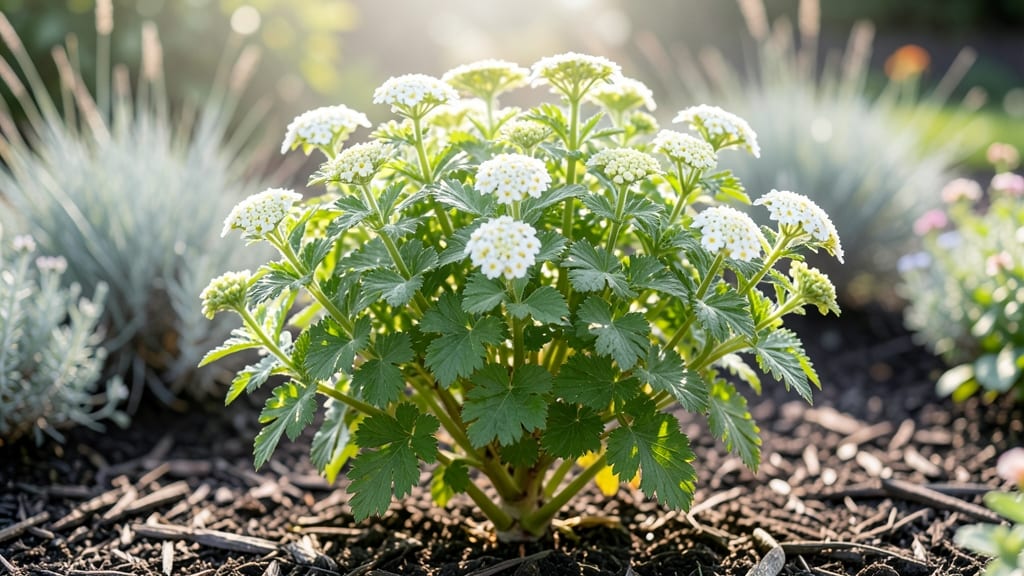
That small white-flowered shrub transforms any garden corner into a serene retreat. 🌸 I’ve planted three varieties in my own yard, and Abelia stands out for its thorn-free elegance, delicate scent, and ability to thrive in partial shade where others fail.
The key to a lush privacy screen lies in choosing the right mix—some bloom spring to fall, while others offer winter interest with glossy foliage.
Most gardeners overlook how versatile these shrubs are: they work as 3-foot hedges along walkways, 6-foot screens behind patios, or even as standalone statement plants in cottage gardens. Pair them with lavender for color contrast or hostas for texture—both combinations create a soft, romantic look that’s hard to resist.
Maintenance is surprisingly low once established, with just occasional pruning to shape and encourage bushier growth.
By summer, you’ll be rewarded with clouds of fragrant blossoms that attract butterflies while keeping neighbors’ eyes on your low-maintenance beauty. The best part? These shrubs handle urban pollution better than many, making them perfect for city gardens too.
Let’s explore the top varieties that deliver year-round interest with minimal fuss.
📚 In This Guide
- What you need
- Instructions
- Tips and common mistakes
- Wrapping up and next steps
What you need
- ● Small white-flowered shrub: 1–3 nursery-grown plants (3–5 ft tall, depending on desired height)
- ● OR seeds or cuttings (if propagating from scratch)
- ● Well-draining potting mix: 5–10 gallons (for container gardening) or native soil amended with compost (for in-ground planting)
- ● Organic compost or fertilizer: 1–2 lbs (balanced 10-10-10 or slow-release for long-term growth)
- ● Mulch: 2–3 inches (pine bark or shredded leaves to retain moisture)
- ● Garden trowel or spade: For digging holes (6–8 inches wide and deep)
- ● Pruning shears: Sharp, sterilized shears for shaping and maintenance
- ● Watering can or hose with nozzle: For gentle, deep watering (1–2 gallons per plant initially)
- ○ Gloves (optional): To protect hands while handling soil or thorny stems (if applicable)
- ○ Measuring tape (optional): To ensure proper spacing (3–5 ft apart for full growth)
- ● Sunlight: Full sun to partial shade (6+ hours of sunlight daily for optimal blooms)
- ● Climate zone: USDA Zones 5–9 (check your local hardiness zone for best results)
- ● Drainage: Ensure the planting area has no standing water (avoid low spots or clay-heavy soil)
How to plant and maintain a fragrant, thorn-free privacy screen
This elegant shrub thrives with minimal fuss—here’s how to create a fragrant, low-maintenance living barrier.
🌱 Step 1: Select the Right Location for Planting
Choose a spot with 6-8 hours of sunlight daily—this shrub blooms best in full sun but tolerates partial shade in hotter climates. The area should have well-draining soil; if your yard has heavy clay, amend with 2-3 inches of compost mixed into the top 12 inches of soil. I always dig a hole twice as wide as the root ball to encourage outward growth, which creates a denser screen faster.
Test soil moisture before planting: dig a small hole, fill it with water, and wait 30 minutes. If water remains, your soil drains poorly. In that case, raise the planting area by 6 inches with a mound of amended soil to prevent root rot. The shrub’s fragrance intensifies in well-drained conditions, so this step is critical.
🪴 Step 2: Plant Shrubs in a Staggered Pattern
Dig holes 18-24 inches apart—closer spacing creates a denser screen but may require pruning later. Place each shrub so the top of the root ball sits 1 inch above ground level; settling soil can bury stems over time. Gently loosen roots if they’re circling tightly in the container, then backfill with native soil mixed with 1 cup of bone meal fertilizer per hole.
Water deeply immediately after planting to eliminate air pockets. You’ll know it’s done when water pools on the surface but drains within 15-20 minutes. Mulch with 2-3 inches of shredded bark, keeping it 3 inches away from stems to prevent moisture buildup that causes rot. This mulch layer also suppresses weeds, which compete for nutrients during establishment.
☀️ Step 3: Water and Fertilize for Establishment
Keep soil consistently moist for the first 4-6 weeks—water when the top 2 inches feel dry. Overwatering now can drown roots, while underwatering stresses young plants. I use a soaker hose set to low flow for 20 minutes daily during hot spells, which mimics natural rainfall without disturbing soil.
Apply a balanced 10-10-10 fertilizer at half-strength 4 weeks after planting, then again in early spring. The shrub’s white blooms signal it’s ready for a second feeding in 6-8 weeks. Avoid high-nitrogen fertilizers—they promote leafy growth at the expense of flowers. Prune spent blooms immediately to encourage continuous flowering throughout the season.
✂️ Step 4: Prune for Shape and Encourage Bushiness
Shape the shrub in late winter or early spring before new growth begins. Use clean, sharp pruners to cut back 1/3 of the oldest stems to the ground, which rejuvenates the plant and promotes dense foliage. For a formal hedge, trim new growth to 6-8 inches tall in early summer to maintain height while allowing flowers to develop.
Watch for leggy growth—this happens when light is insufficient. If stems stretch toward a window, move the plant or supplement with a grow light for 12-14 hours daily. The shrub’s natural thorn-free habit means you can prune aggressively without fear of injury. After pruning, apply a 1-inch layer of compost around the base to replenish nutrients lost during growth.
🌿 Step 5: Maintain Year-Round for Long-Term Fragrance
Reduce watering to once weekly once established, except during droughts. The shrub’s deep roots make it drought-tolerant, but consistent moisture ensures vibrant blooms. In winter, apply 3-4 inches of mulch to protect roots from freezing temperatures. This also prevents soil heaving, which can uproot shallow roots.
Monitor for pests like aphids or spider mites—these thrive in dry conditions. Spray with neem oil solution (1 tablespoon per gallon of water) if you spot webbing or sticky residue on leaves. The shrub’s natural fragrance deters many pests, but early intervention keeps it thriving. With proper care, your privacy screen will bloom continuously for 10+ years, offering both beauty and fragrance.
Tips & tricks for perfect fragrant privacy screens
Between us, these small details make all the difference when creating a fragrant, thorn-free privacy screen that thrives for years.
Soil Test Tip: That 30-minute soil drainage test in Step 1 isn't just about avoiding soggy roots—it's your first clue about fragrance potential. Well-drained soil means better root oxygenation, which directly translates to more intense floral aromas. I've seen shrubs in poorly drained soil produce half as many blooms, and the scent was noticeably weaker. If your soil fails the test, consider building a raised bed instead of just amending—it makes a dramatic difference for fragrance development.
Planting Depth Secret: The 1-inch elevation above ground level in Step 2 might seem minor, but it prevents stem rot that can silently kill your privacy screen. Here's what nobody tells you—this small elevation also encourages stronger root systems that support more abundant flowering. When planting multiple shrubs, use a level or string line to maintain consistent depth across your entire screen. Uneven planting leads to uneven growth and weak spots in your barrier.
Watering Wisdom: Those 20 minutes of soaker hose time during hot spells aren't arbitrary—they deliver about 1 gallon of water per plant, which is exactly what this shrub needs to establish deep roots without becoming waterlogged. The key is consistency: I set a timer for the same time each morning so I don't forget. This routine prevents both underwatering (which stresses plants) and overwatering (which drowns roots). For larger installations, consider installing a drip irrigation system—it automates this critical step perfectly.
Pruning Strategy: When you're cutting back 1/3 of oldest stems in Step 4, focus on removing stems that are thinner than a pencil—these are the ones that won't regenerate well. The remaining stems will produce thicker, more fragrant growth. I always prune on a dry day to reduce disease risk, and I sterilize my pruners with rubbing alcohol between cuts. This aggressive pruning might seem counterintuitive for a privacy screen, but it actually creates denser foliage that grows faster and smells stronger.
Pro Tips for Small White Flowered Shrub
- Between us, these small details make all the difference when creating a fragrant, thorn-free privacy screen that thrives for years.
- Soil Test Tip: That 30-minute soil drainage test in Step 1 isn't just about avoiding soggy roots—it's your first clue about fragrance potential.
- Planting Depth Secret: The 1-inch elevation above ground level in Step 2 might seem minor, but it prevents stem rot that can silently kill your privacy screen.
Frequently asked questions
Got questions about your small white-flowered shrub? You’re not alone! Here are some of the most common queries—plus practical tips to keep your fragrant privacy screen thriving.
What’s the best small white-flowered shrub for a thorn-free privacy screen?
Look for Deutzia or Abelia varieties—they’re both thorn-free, fragrant, and compact. Deutzia offers delicate clusters of white blooms in spring, while Abelia provides longer blooming seasons (spring to fall) with glossy foliage. For extra fragrance, Abelia × grandiflora (‘Kaleidoscope’) is a top pick!
How fast does a small white-flowered shrub grow, and when will it reach privacy height?
Growth rates vary: Deutzia grows 12–24 inches per year, while Abelia averages 12–18 inches annually. To create a 6-foot-tall screen, expect 3–5 years with proper care. Pro tip: Plant 3–5 shrubs in a staggered row for faster coverage and a fuller look!
Why aren’t my white flowers blooming this year?
Common culprits include over-fertilizing with high-nitrogen (which promotes leaves over flowers), pruning at the wrong time (never after mid-summer), or poor sunlight. Ensure your shrub gets 6+ hours of sun and prune right after blooming to encourage next year’s flowers. Stress? Check for pests like spider mites or root rot!
Can these shrubs handle cold winters or hot summers?
Most Deutzia and Abelia varieties are hardy to USDA Zones 5–9, but Abelia tolerates heat better. For extra protection: Mulch heavily in winter (3–4 inches of shredded bark) and water deeply in droughts. Bonus: Abelia even blooms in partial shade, making it versatile for tricky spots!
What’s a good alternative if I want a fragrant, thorn-free shrub but no white flowers?
Try Pieris japonica (Andromeda) for bell-shaped white or pink blooms in early spring, or Weigela florida for trumpet-shaped pink/white flowers and deer resistance. Both are low-maintenance and thrive in similar conditions. Need year-round interest? Daphne odora (‘Margaret’) offers winter-spring fragrance with glossy leaves!
Wrapping up and next steps
Transforming your outdoor space with a small white-flowered shrub is a breeze when you know the right steps! These fragrant, thorn-free beauties offer both privacy and charm, making them a perfect addition to any garden.
Whether you’re a seasoned gardener or just starting out, their low-maintenance nature and stunning blooms make them a win-win.
Ready to get growing? Plant yours today—start small, dream big, and enjoy the sweet, fragrant rewards of your hard work! 🌸 For extra inspiration, explore companion plants or creative landscaping ideas to elevate your garden further.