
Shrubs
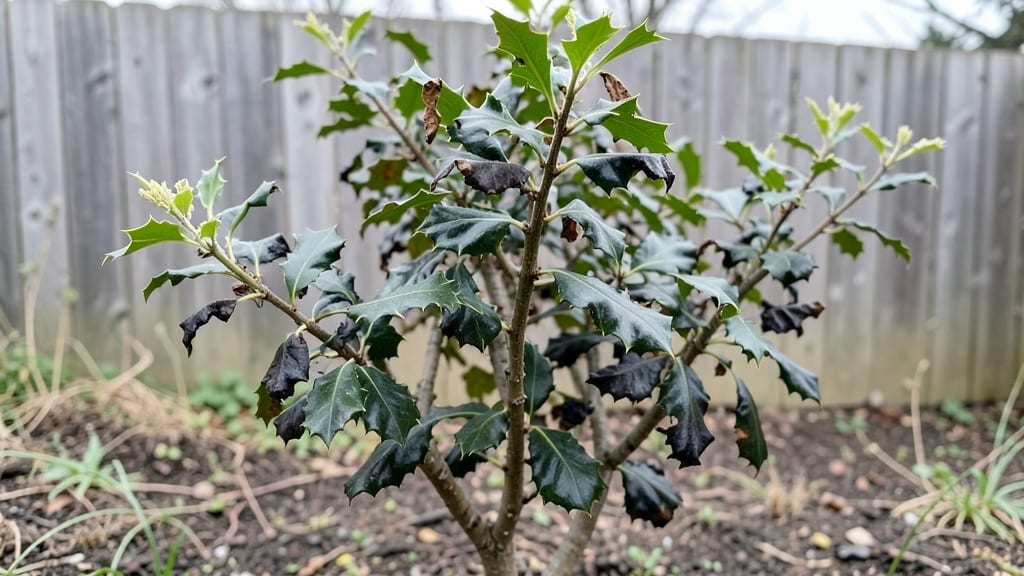
Shrubs with black leaves might look dramatic, but they’re usually a cry for help—not a design statement. 🌿 I’ve seen boxwoods, azaleas, and hydrangeas turn from lush green to inky black overnight, and the culprit is almost always one of three things: fungal infections, bacterial rot, or watering gone wrong.
The good news? Most cases are fixable with the right steps.
First, diagnose the problem by checking leaf undersides for powdery spots (fungus) or slimy streaks (bacteria). Overwatering or poor drainage often hides beneath the surface, too—stick your finger in the soil.
If it’s soggy, that’s your answer. Common shrubs like boxwoods and camellias are especially prone to these issues, but early action can save them.
Prune affected leaves immediately to stop the spread, then adjust your care routine. Fungicides with copper or neem oil tackle infections, while cutting back on watering and improving soil drainage fixes environmental stress. Within weeks, you’ll see fresh green growth pushing through—if you act fast enough.
Prevention is easier than cleanup: space plants for airflow, water at the base (not overhead), and pick disease-resistant varieties. My azaleas stay black-spot-free now because I swapped heavy mulch for gravel and prune in late winter. Small changes make a big difference.
Why it happens
When your once-vibrant shrubs start showing off black leaves, it’s rarely a sign of a dramatic plot twist—it’s usually a cry for help from the plant itself. Understanding the why behind this discoloration is the first step to restoring your shrub’s health.
Below, we break down the most common culprits, from environmental stressors to hidden pests, with science-backed explanations and actionable insights.
Shrubs thrive on balance, and too much water can suffocate their roots, leading to anaerobic conditions (lack of oxygen). When roots drown, they can’t absorb nutrients efficiently, causing leaves to turn black as a warning sign of root rot.
This is especially common in clay-heavy soils or containers without drainage holes.
- How it happens: Excess moisture triggers fungal growth (like Phytophthora), which clogs root cells and blocks water/nutrient flow. Blackened leaves often appear mushy or wilted, starting from the bottom of the plant.
- Actionable fix:
- ✅ Test your soil: Stick a finger 2 inches into the soil—if it’s soggy 2–3 days after watering, you’re overdoing it.
- ✅ Improve drainage: Amend heavy soil with perlite or compost (20–30% mix) or elevate container plants with gravel or terracotta pots.
- ✅ Water wisely: Shrubs typically need 1–1.5 inches of water per week, delivered deeply but infrequently. Morning watering prevents fungal spores from lingering.
Fungi like Botrytis blight (gray mold) or Anthracnose thrive in damp, shaded conditions, creating black, velvety spots or entire leaves turning necrotic. These pathogens often start as small lesions that expand rapidly, especially in humid climates or after rain.
- How it happens: Fungal spores land on leaves, germinate in moisture, and release enzymes that break down cell walls, causing tissue death. Blackened areas may have a powdery or tar-like texture.
- Actionable fix:
- 💡 Prevent spread: Remove infected leaves immediately and dispose of them in the trash (not compost). Avoid overhead watering.
- 🌡️ Boost airflow: Prune shrubs to open the canopy (aim for 30–50% light penetration) and space plants 3–5 feet apart.
- 🔥 Fungal fighters: Apply copper fungicide or a baking soda spray (1 tsp baking soda + 1 quart water + a drop of dish soap) every 7–10 days until symptoms fade.
Sap-sucking insects like aphids, spider mites, or scale insects inject toxic saliva into leaves, disrupting photosynthesis and causing blackening. These pests also excrete honeydew, a sticky residue that fosters sooty mold—a black fungal growth that coats leaves like varnish.
- How it happens: Pests pierce plant cells, triggering oxidative stress (cell damage from free radicals). Sooty mold feeds on honeydew, creating a shiny black film that blocks sunlight.
- Actionable fix:
- 🔍 Inspect closely: Look for sticky residue on leaves (honeydew) or tiny webs (mites). Flip leaves over—pests love the undersides!
- 💦 Blast them away: Spray leaves with a strong stream of water to dislodge pests, then follow up with neem oil (1 tbsp per quart of water) or insecticidal soap.
- 🌿 Attract predators: Plant marigolds or ladybug-friendly flowers nearby to lure natural pest controllers.
Extreme temperatures or harsh chemicals (like salt buildup from winter de-icing or herbicide drift) can cause cell membrane damage, leading to blackened, crispy, or bleached leaves. Cold snaps or sudden heatwaves disrupt metabolic processes, while salt or chemical residues desiccate foliage.
- How it happens:
- Cold damage: Ice crystals form in leaf cells, rupturing them (freeze-thaw injury). Leaves may turn black and papery.
- Heat stress: High temps (>90°F) cause protein denaturation, halting photosynthesis. Leaves scorch at the edges, then darken.
- Chemical burn: Salt or herbicides disrupt chlorophyll production, leading to necrotic black patches.
- Actionable fix:
- 🌡️ Protect from extremes: Mulch heavily in winter (3–4 inches) and provide afternoon shade in summer (use shade cloth if needed).
- 🚫 Avoid salt damage: Flush soil with water after de-icing and use calcium chloride-free alternatives like sand or kitty litter for traction.
- 🧴 Chemical cleanup: Rinse affected leaves with water and amend soil with compost to dilute salt residues.
Pro Tip: 🔍 Diagnose before treating! Snap a photo of the blackened leaves (include a ruler for scale) and note the pattern (spots? entire leaf? sticky residue?). Share it with a local Cooperative Extension Service for a second opinion—sometimes, the fix is simpler than you think!
Quick fixes for reviving shrubs
Reviving shrubs with black leaves starts with identifying the root cause—but once you know what’s wrong, the fixes are often simpler than you think. Below are practical, step-by-step solutions tailored to the most common culprits, plus prevention tips to keep your shrubs lush and healthy.
Let’s turn those black leaves into vibrant green in no time!
Signs: Yellowing or blackened leaves, soggy soil, wilting despite water. Fix:
- 🔥 Stop Watering Immediately – Let the soil dry out completely before watering again. Overwatering suffocates roots by cutting off oxygen.
- 🍳 Improve Drainage – Amend the soil with perlite, sand, or compost (20-30% mix) to create air pockets. For container shrubs, add a layer of gravel at the bottom.
- 👨🍳 Repot if Needed – If roots are rotting (smelly, mushy), trim away the bad sections with sterilized scissors and repot in fresh, well-draining soil.
- ⏰ Adjust Watering Schedule – Water deeply but infrequently (1-2 times per week, depending on climate). Stick your finger 2 inches into the soil—if it’s damp, wait.
💡 Pro Tip: Group shrubs with similar water needs together to avoid over- or under-watering mismatches.
Signs: Crispy, blackened leaf edges (especially on young or thin-leaved shrubs like boxwoods or azaleas). Fix:
- 🌡️ Provide Afternoon Shade – Use lightweight shade cloth (30-50%) or move potted shrubs to a spot with morning sun + afternoon shade.
- 🎯 Mulch Like a Pro – Apply 2-3 inches of mulch (wood chips, straw) to keep roots cool and retain moisture.
- 💦 Hydrate Strategically – Water early in the morning to reduce evaporation. Avoid wetting leaves at noon (can magnify heat damage).
- ✨ Choose Heat-Tolerant Varieties – Swap sun-sensitive shrubs for drought-resistant options like Lantana, Abelia, or Russian Sage.
🔥 Quick Relief: Mist leaves lightly in the evening to lower temperature stress (but avoid soggy soil).
Signs: Black spots, powdery mildew, or leaf drop (common in humid climates or dense foliage). Fix:
- 🔪 Prune Infected Areas – Cut off blackened or spotted leaves with sterilized pruners (wipe with rubbing alcohol between cuts).
- 🌿 Apply Fungicide – Use neem oil, copper fungicide, or baking soda spray (1 tsp baking soda + 1 quart water + a drop of dish soap). Spray both sides of leaves and repeat every 7-10 days.
- 🌡️ Improve Airflow – Thin out overcrowded branches and avoid watering leaves (use drip irrigation instead).
- 🎯 Prevent Future Outbreaks – Space shrubs 3-5 feet apart and water at soil level (not overhead).
💡 Pro Tip: Early morning is the best time to spray fungicides—humidity helps the treatment stick.
Signs: Blackened leaves with holes, sticky residue (aphids), or sawdust-like frass (caterpillars). Fix:
- 🔍 Identify the Pest – Check for spider mites (tiny webs), scale (bumpy brown spots), or borers (exit holes).
- 🍳 Blast Off Pests –
- Soapy water spray (1 tsp mild soap + 1 quart water) for aphids, mites, or soft-bodied bugs.
- Neem oil or horticultural oil for scale or mealybugs (spray until leaves glisten).
- Beneficial insects like ladybugs or lacewings for long-term control.
- 👨🍳 Severe Cases? – Use insecticidal soap (follow label instructions) or systemic granules for borers or grubs.
- ⏰ Monitor Regularly – Inspect leaves weekly and act fast—pests spread quickly!
🌡️ Prevention: Install fine mesh netting over new growth to block adult pests from laying eggs.
Signs: Blackened leaves after a hard frost, especially on tender shrubs like Bougainvillea or Hibiscus. Fix:
- 🔥 Cover Shrubs Overnight – Use frost cloth, blankets, or cardboard boxes (remove during the day to avoid overheating).
- 💦 Water Before Freeze – Moist soil holds heat better than dry soil, giving roots a buffer.
- 🎯 Mulch Heavily – Add 4-6 inches of mulch around the base to insulate roots.
- ✨ Choose Cold-Hardy Varieties – Swap frost-sensitive shrubs for Boxwood, Holly, or Potentilla, which tolerate down to 0°F.
💡 Pro Tip: Avoid pruning in late fall—new growth is more vulnerable to cold damage.
Signs: Blackened leaves with yellow veins (iron deficiency) or purple stems (phosphorus lack). Fix:
- 📊 Test Your Soil – Use a DIY soil test kit or send a sample to a local extension office.
- 💪 Apply the Right Fertilizer –
- Iron deficiency? Use chelated iron supplement or Epsom salt (1 tbsp per gallon of water).
- General boost? Switch to a balanced fertilizer (10-10-10) in spring.
- 🥗 Organic Options – Mix in compost, worm castings, or fish emulsion for slow-release nutrients.
- ⏰ Time It Right – Fertilize in early spring (before new growth) and mid-summer (for a second flush).
🔥 Quick Fix: Foliar feed with a seaweed extract spray for an instant nutrient boost.
To avoid black leaves in the future, follow this simple maintenance routine:
- 🌱 Water wisely – Deep and infrequent (never let soil stay soggy).
- ☀️ Shield from extremes – Adjust sun exposure based on your shrub’s needs.
- 🍄 Keep it clean – Remove fallen leaves/debris to reduce fungal risks.
- 🐜 Inspect regularly – Catch pests before they become a problem.
- 🌡️ Acclimate gradually – Harden off tender shrubs before moving them outdoors.
- 📊 Feed seasonally – Test soil and fertilize 2-3 times per year.
🎯 Final Thought: Most shrubs are resilient—black leaves are often a cry for help, not a death sentence. With the right care, your shrubs will bounce back with vibrant, healthy foliage in weeks. Start with one fix, monitor progress, and adjust as needed!
Frequently asked questions
Why do my shrubs develop black leaves suddenly?
Black leaves usually signal stress from overwatering (root rot), fungal infections like Anthracnose, or pest damage. Check soil moisture—if soggy, you're likely overwatering. Look for powdery spots (fungus) or sticky residue (pests) on leaf undersides. Act fast: prune affected areas immediately to prevent spread.
Can I save a shrub with completely black leaves?
It depends! If only a few leaves are black (and the rest are healthy), prune them off and adjust care. For widespread blackening, check roots—if they're mushy (rot), repot with fresh, well-draining soil. If the entire shrub is black and brittle, it may be too far gone, but try soaking roots in hydrogen peroxide (3%) for 10 minutes to revive them.
What’s the fastest way to stop fungal spread on shrubs?
Remove all infected leaves (don’t compost them!) and apply copper fungicide or a baking soda spray (1 tsp baking soda + 1 quart water + dish soap) immediately. Improve airflow by pruning dense branches and water at the base (not overhead). Repeat treatments every 7-10 days until new growth appears.
Are some shrubs more prone to black leaves than others?
Yes! Boxwoods, azaleas, and hydrangeas are especially vulnerable due to dense foliage that traps moisture. Choose disease-resistant varieties like ‘Green Velvet’ boxwood or ‘Endless Summer’ hydrangeas. For high-risk shrubs, space them 3-5 feet apart and avoid overhead watering to reduce fungal risks.
How do I know if black leaves are from pests vs. disease?
Pests leave sticky residue (honeydew) or tiny webs (mites), while diseases cause powdery spots or tar-like patches. Flip leaves over—pests hide on undersides. For pests, use neem oil; for diseases, apply copper fungicide. If unsure, snap a photo and compare with online plant disease databases.